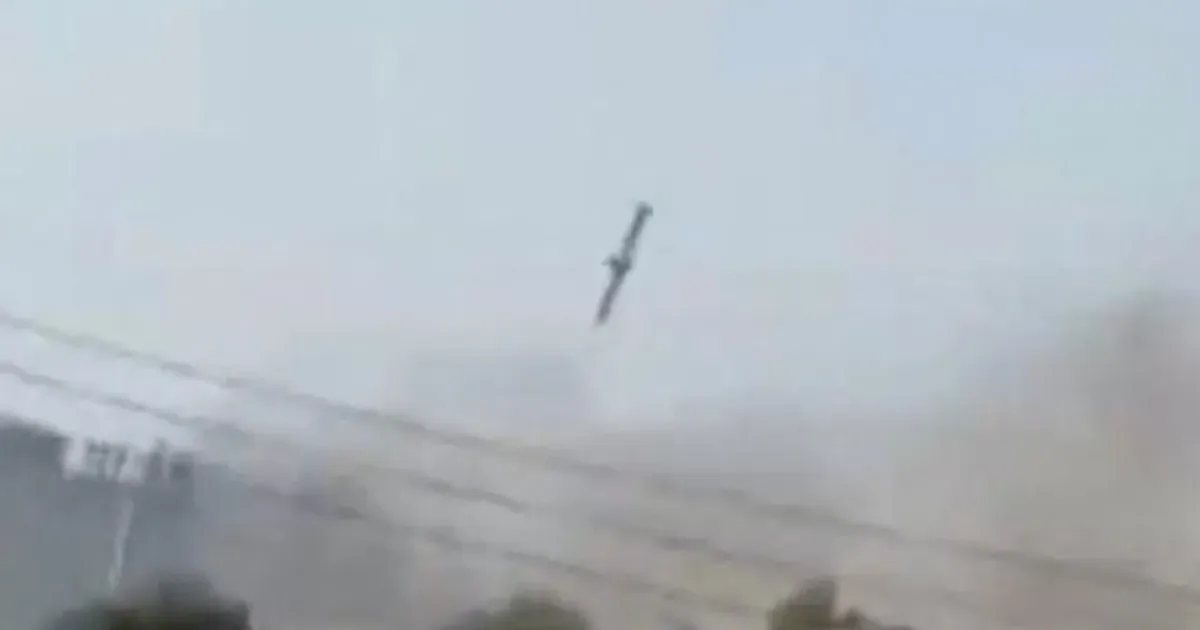
The deadly Iranian school strike has turned a Pentagon targeting failure into a moral and intelligence crisis. The reported intelligence failure drew outrage on March 12, 2026
A Targeting Failure Becomes a Moral Crisis
The Iranian school strike has become the clearest test of whether the air campaign can still claim precision. New reports from a preliminary U.S. military investigation suggest the target file behind the strike was months, if not years, out of date. Pentagon planners believed the facility was an Islamic Revolutionary Guard Corps command center, but investigators found that the site had been converted back into a primary school nearly eighteen months earlier.
The result was catastrophic. More than 165 people died in the blast, most of them children attending morning classes. The Al-Hadi Academy served roughly 400 students before the 1,000-pound precision-guided munition struck the central courtyard. Reports from the South China Morning Post indicate that the intelligence cycle, usually a rigorous process of verification, was compressed by the rapid tempo of the campaign.
The failure turned stale data into civilian death. A target that may once have had military relevance had allegedly shifted back to civilian life, and the approval process did not catch the change before the strike.
Old Intelligence Carries Deadly Cost
In the rush to dismantle Iranian infrastructure, the vetting of targets appears to have become secondary to the speed of the strike. They were wrong, and the error now defines the political and moral cost of the operation. Ron Hubbard, owner of a Texas-based bomb shelter company, sees the fallout from these tactical errors in his balance sheet. Orders for high-end bunkers have surged across the Middle East.
Civilian Harm Changes the War Debate
Clients in Bahrain, Qatar, Kuwait, and the United Arab Emirates are paying millions for underground protection. They fear a conflict that started as a precise strike campaign is devolving into a nuclear or chemical exchange. Hubbard's phone rings around the clock with requests from wealthy Gulf residents who once felt insulated from regional instability. His most popular model, the N-11, features a Swiss-made air filtration system capable of scrubbing radioactive iodine-131.
Every unit he has in stock is being crated and shipped to the Persian Gulf. Business is booming because trust is collapsing. Washington faces a credibility crisis that no amount of diplomatic maneuvering can easily fix. Critics in the British Parliament and the US Congress are demanding an immediate pause in operations.
They argue that if the Pentagon cannot distinguish a primary school from a military headquarters, the entire mission is compromised. Internal military probes are much more damning than the White House has publicly acknowledged. Every misfire provides Tehran with a propaganda victory. State media in Iran has broadcast loops of the school ruins, using the tragedy to galvanize domestic support for a regime that faced significant internal dissent just months ago.
This strategy appears to be working.
Accountability Cannot Be Internal Theater
Large-scale protests have erupted across the Muslim world. Protesters in Jakarta and Istanbul burned flags in response to the school bombing. Public sentiment in the West is also shifting as the mounting civilian death toll becomes impossible to ignore. Conflict has a way of turning tactical victories into strategic suicides.
Naval units in the region remain on high alert as the hunt for the missing Thai crew members continues. Thailand's government issued a formal protest, demanding answers from regional powers about the safety of its citizens. So far, no one has claimed responsibility for the strike. Most analysts point to Iranian-backed militias using suicide drones as a way to prove they can shut down the Strait of Hormuz at will.
If the shipping lanes close permanently, the global economic impact will dwarf the current inflationary pressures. Western leaders find themselves trapped between the need to project strength and the reality of a campaign that is rapidly losing its moral and tactical justification. Strategic planners in Washington are debating whether to double down or retreat. A second official briefed on the school investigation noted that the pressure to produce high-value targets often leads to shortcuts in the vetting process.
Precision War Still Needs Current Facts
Investigators suggested the target file may have been outdated or insufficiently verified. The incident intensified scrutiny of civilian harm and strike approval processes. Independent accountability matters because internal reviews often protect institutions first.
A reported Pentagon intelligence failure was linked to a deadly strike on an Iranian school.
Stale intelligence matters because a site can change function over time, turning a former military location into a civilian facility. A credible review should examine target validation, command pressure, civilian warnings and compensation.
The failure is not a tragic footnote if outdated intelligence put children in the blast radius. Precision weapons do not create moral precision when target files are stale and pressure compresses verification. A military that cannot keep its data current has no right to hide behind the language of surgical strikes.