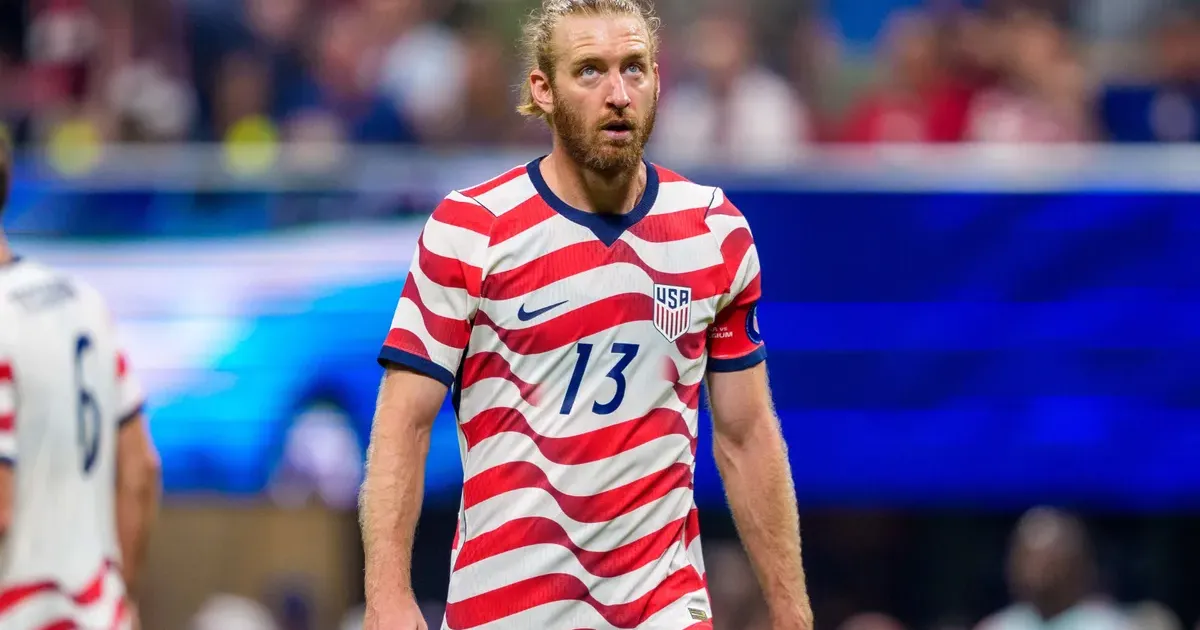
Mauricio Pochettino addressed a fractured United States Men’s National Team locker room following a humbling 5-2 defeat to Belgium that has shaken the internal hierarchy. Mauricio Pochettino expressed frustration regarding the lack of intensity shown during the second-to-last matches before the official 2026 World Cup roster announcement. Defensive fragility haunted the squad throughout ninety minutes in Brussels, where structural gaps allowed the Belgian attackers to exploit the American backline with surgical precision. USMNT staff members reportedly spent the flight to Lisbon reviewing footage of individual errors that led to three goals in a twelve-minute window. The urgency deepened on March 31, 2026, with Portugal looming as the last major test before roster decisions.
Critics have focused on the inability of the central defenders to maintain a cohesive line under sustained pressure. Pochettino insists that the upcoming fixture against Portugal requires a level of physical aggression that was entirely absent on Saturday. This deficit in competitive bite has become the primary talking point as the team prepares for its final pre-tournament test.
USMNT Defensive Collapse Triggers Tactical Review
Defensive stability has vanished at the most inopportune time for the American coaching staff. While Bloomberg suggests the federation is confident in the current trajectory, domestic analysts point to a recurring pattern of spatial mismanagement in the defensive third. Pochettino’s high-pressing system requires synchronized movement that the current personnel struggled to execute against Belgium. Fullbacks were caught high up the pitch, leaving the two central defenders isolated against elite European strikers. Records show the American side conceded seventeen shots on target during the recent friendly, the highest number since the 2024 campaign.
Every lapse in concentration resulted in a high-probability scoring chance for the opposition. Training sessions in Portugal have shifted focus toward a more conservative mid-block to prevent similar disasters. Players were seen practicing recovery sprints for three hours under the afternoon sun at the Benfica training grounds.
Intensity levels must increase if the squad hopes to compete with the Portugal midfield. Pochettino noted that winning second balls is no longer an optional metric for his starting eleven. Sources within the camp indicate that several veteran players may lose their spots if they fail to show improved physical engagement on April 2. Effort remains a non-negotiable trait for the Argentinian manager. He has publicly questioned whether the current group possesses the mental toughness required for a deep run on home soil. Supporters have expressed growing anxiety over the lack of a settled center-back pairing just months before the opening ceremony. The coaching staff is reportedly considering a switch to a three-man defense to provide extra cover for the goalkeeper. Tactics that worked during the early stages of the managerial tenure now seem insufficient against top-tier global competition.
Portugal Manager Roberto Martinez Dismisses Friendly Form
Roberto Martinez offered a blunt assessment of the recent American struggles during his press conference on March 31, 2026. Portugal’s head coach argued that analyzing a team’s World Cup prospects based on a single friendly result is a futile exercise. He highlighted the experimental nature of March fixtures, where managers prioritize data collection over tactical perfection. Martinez, who formerly led the Belgian national team, understands the deceptive nature of warm-up matches better than most contemporary coaches. The recent 5-2 defeat to Belgium highlighted critical structural vulnerabilities within the current American defensive setup.
"Assessing USMNT's World Cup readiness based on the Belgium loss is quite worthless," Portugal boss Roberto Martinez said on March 31, 2026.
Portugal players appear focused on their own internal competition for starting roles. Martinez maintains a deep roster that includes some of the most technical midfielders in the world. His dismissal of the American defeat suggests a level of professional respect or perhaps a psychological maneuver to ensure his players do not become complacent. Portugal’s attacking statistics have improved sharply over the last six months, averaging 2.8 goals per match. This offensive efficiency provides a direct contrast to the defensive chaos seen in the American camp.
Training reports from the Portuguese side suggest a high-tempo approach intended to tire out the American defenders early in the match. Martinez plans to rotate his squad to keep legs fresh for the final stages of their own preparation. The Portuguese federation has prioritized technical ball retention over the raw physicality Pochettino demands.
Pochettino Evaluation Phase Enters Final Stages
Selection pressure has reached a boiling point for the players currently in Lisbon. Mauricio Pochettino must name his twenty-six-man roster shortly, leaving almost zero room for further experimentation. Young prospects who failed to impress against Belgium now find themselves on the periphery of the squad. Veteran leaders are under similar scrutiny to prove their legs can handle the speed of an international tournament. Every pass, tackle, and recovery run is being logged by the analytical team for final review.
Success in the upcoming matches against Portugal could validate Pochettino’s aggressive philosophy, while another heavy defeat would force a total rethinking of the defensive strategy. Media access to training has been restricted as the staff attempts to shield the players from mounting external criticism. Anxiety within the camp is palpable during the brief windows when reporters are allowed near the pitch. The head coach has shortened his tactical briefings, favoring direct, confrontational feedback on the training ground.
Individual performances on Saturday will dictate the starting lineup for the Portugal game. Pochettino is expected to make at least four changes to the defensive unit to find a combination that holds firm. Communication breakdowns between the goalkeeper and the back four were cited as a primary reason for the five goals conceded in Brussels. If the team cannot fix these basic organizational flaws, the 2026 tournament could be a short experience for the hosts. Coaching staff members have spent late nights in the video room identifying specific triggers for the defensive collapses. They found that the midfield pivot failed to track back during transitional moments, leaving the defense exposed. Correcting these errors is the only priority for the technical staff before the whistle blows in Lisbon. Failure to do so would leave the team vulnerable to the same patterns of exploitation Portugal uses to dismantle opponents.
Roster Stakes Before Portugal
Pochettino’s demand for grit is really a demand for selection clarity. A World Cup roster cannot be built around players who understand the system only when the match is comfortable. Portugal now becomes more than a friendly. It is a final stress test for defenders, midfield screeners and forwards who must prove they can manage pressure without the structure collapsing behind them.