A domestic homicide case involving a former NFL player has moved into court with questions that go beyond one household. The charges drew attention on March 12, 2026
Charges Bring the Case Into Court
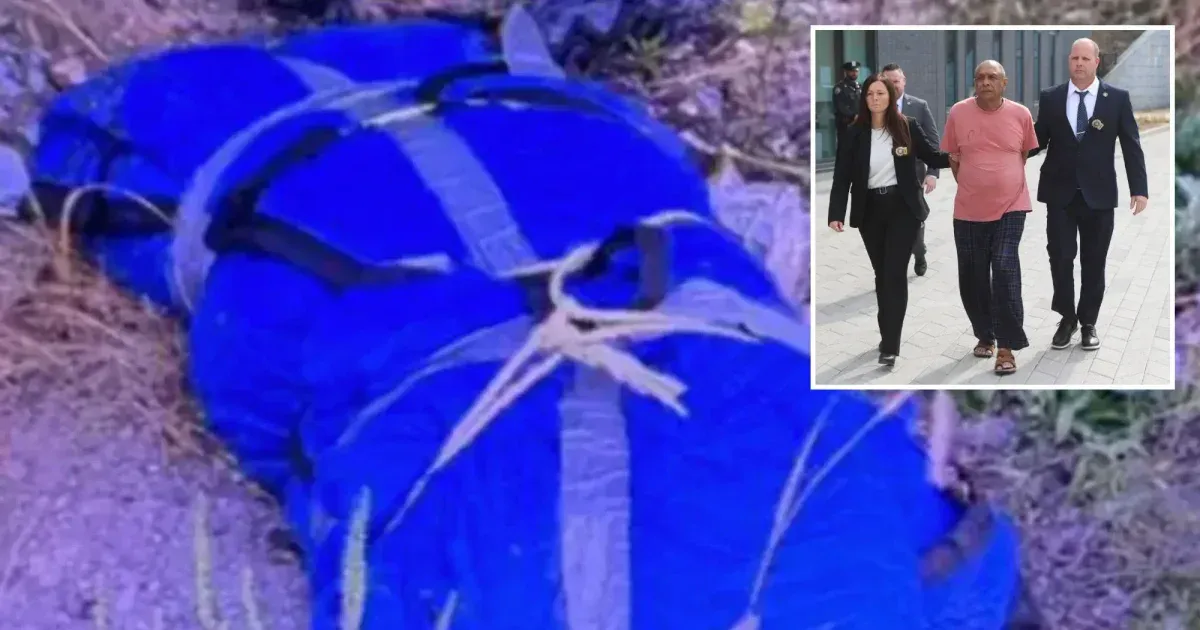
Queens investigators arrived at 10:25 a.m. at a modest home in South Ozone Park on Wednesday. Inside, they found evidence of a crime so gruesome it shook even seasoned officers. Rupchand Simboo, a 75-year-old resident, stood accused of killing his wife, Salisha Ali, and then scattering her remains across the neighborhood. Ali, who was just 34 years old, moved to the United States from Trinidad and Tobago. Her life ended in a manner that defies the typical expectations of domestic tranquility in a quiet New York City borough. Sanitation workers made the initial discovery while performing their morning rounds. They encountered items in the trash that did not belong in a residential bin, but the legal process still has to separate evidence from public fascination. Police quickly cordoned off several blocks, focusing their attention on the residence Simboo shared with Ali. Neighbors described the couple as quiet, though the 41-year age gap between the husband and wife had long been a point of local gossip. Such a disparity in age often brings unique power dynamics into a relationship, and detectives are now investigating whether those dynamics played a role in the escalating tension that led to Ali's death. New York City Police Department officials confirmed the arrest took place without incident inside the home.
Domestic Violence Risk Was the Real Story
Simboo now faces charges of murder and concealment of a human corpse. While the motive remains under investigation, the physical evidence found at the scene and in the surrounding area has provided a grim roadmap for prosecutors. Public records indicate the couple lived in the South Ozone Park house for several years, a fact that makes the sudden eruption of violence even more jarring for those who lived nearby. Salisha Ali never had a chance.
Tennessee authorities simultaneously brought a different kind of horror to light this week. Darron Lee, once a first-round pick in the NFL draft for the New York Jets, allegedly turned to artificial intelligence as a co-conspirator. Prosecutors in a Tennessee courtroom alleged that Lee consulted an AI chatbot to help cover up the killing of his girlfriend. This digital trail suggests a level of premeditation that shifts the case from a heat-of-passion incident to a calculated attempt at legal evasion.
Evidence presented in court indicates Lee asked the AI bot for advice on how to handle specific injuries. He reportedly questioned the software about the physical signs of a fall, presumably to align his story with a pre-planned narrative before he finally placed a call to 911. Jurors heard how Lee sought information on how long it takes for certain symptoms to manifest. Such a strategy demonstrates a disturbing trust in technology to bypass the scrutiny of medical examiners and forensic experts.
Public Attention Must Not Become Spectacle
Lee's career in the NFL was defined by his speed and agility on the field, yet his legal defense now hinges on explaining away a damning digital footprint. Prosecutors argued that his actions before contacting emergency services show a clear intent to mislead investigators. Instead of seeking immediate help for a dying woman, the former athlete prioritized his own legal protection. This choice highlights a chilling intersection between modern technology and ancient criminal impulses.
Digital forensics experts suggest that criminals are increasingly using generative tools to manufacture alibis. While Lee's case is one of the first high-profile instances involving an NFL figure, it likely will not be the last. Smart devices and large language models record every query, creating a permanent record that law enforcement can access with the proper warrants. Lee apparently failed to realize that his attempts to hide his actions were actually being etched into a server that would eventually serve as the primary witness against him.
Technology has become a silent witness to our darkest impulses. Violence within domestic spheres continues to plague both the wealthy and the working class.
Celebrity Proximity Should Not Blur the Violence
The public record should drive coverage of domestic homicide cases, not the novelty of a former athlete, a shocking age gap or an AI search trail. Charges remain allegations until proven in court, but the violence at the center of these cases is not entertainment and should not be packaged as a spectacle.
Celebrity proximity has a way of pulling attention toward the name and away from the victim. That is the failure to resist. Domestic homicide cases are often preceded by quieter warning signs, institutional misses and private terror that never trends until someone is dead. Turning those deaths into lurid content lets the system avoid the harder question: why so many homes remain dangerous long before police tape appears outside.