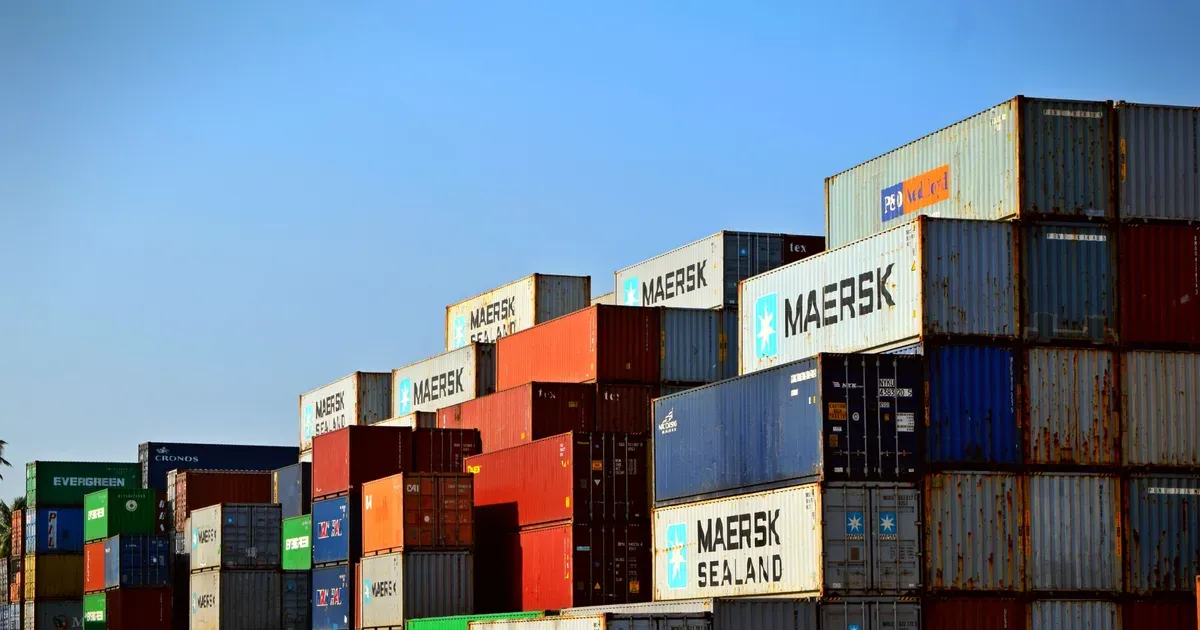
Gene Seroka, the executive director of the Port of Los Angeles, stood before a gathering of logistics specialists in San Pedro to outline a growing danger to the global economy. He identified lithium-ion batteries as a primary risk to the physical security of the world's most critical maritime corridors. These energy storage devices power everything from smartphones to electric vehicles, but their chemical composition makes them unstable when damaged or incorrectly handled during transit. The volume of these shipments has reached a point where existing fire suppression systems are increasingly obsolete. Thermal runaway events occur when a battery cell enters an uncontrollable, self-heating state that leads to a fire or explosion. Such reactions generate their own oxygen, which makes them nearly impossible to extinguish with standard water-based equipment. Firefighters at the port have reported that traditional methods often fail to lower the temperature of a burning container, leading to re-ignition hours or even days after the initial blaze appeared to be out. The intensity of these fires often melts the steel walls of shipping containers. Demand for these storage devices is expected to double by the year 2030. Manufacturers are racing to fill orders for green energy projects and the expanding automotive sector, yet the logistical infrastructure has not kept pace with the chemical hazards involved. Meanwhile, the supply chain remains fragile, as the Port of Los Angeles handles roughly 40 percent of all containerized imports into the United States. A single major fire at one of its primary terminals could freeze the movement of billions of dollars in consumer goods for weeks.
Battery Fires Test Port Safety
Hazardous cargo management has become the central focus for terminal operators who oversee the movement of millions of twenty-foot equivalent units each year. Security teams are finding that many lithium-ion shipments are not declared correctly by exporters seeking to avoid higher shipping fees. These undeclared batteries are often packed deep within the holds of large vessels where heat detection is difficult.
Firefighting teams at major ports are encountering conditions that exceed their standard training protocols.
The International Maritime Organization has started revising safety codes to address the specific behavior of industrial battery fires at sea. Current regulations were written before the surge of electric vehicles on Roll-on/Roll-off vessels and specialized container ships. Gene Seroka pointed out that many of these older safety standards do not account for the toxicity of the smoke released during a lithium fire. These fumes contain hydrofluoric acid and other hazardous chemicals that pose a lethal threat to port workers and nearby residential areas in Long Beach and San Pedro. Emergency response times are another critical factor in the port environment.
Lithium Shipments Change Maritime Risk
Global logistics networks are already strained by geopolitical tensions and labor disputes. Adding a surge of unstable battery shipments into this mix creates a high-stakes environment for every actor in the trade lane. Producers in Asia are pushing for faster transit times, but faster handling often leads to the rough treatment of cargo. Dropping a pallet or bumping a container with a forklift can cause internal damage to a battery that does not show as a fire until the ship is days into its trans-Pacific journey. This delayed reaction makes it impossible to pinpoint exactly when the hazard was introduced. Projected demand figures indicate that the world will need nearly 5,000 gigawatt-hours of lithium-ion capacity annually by the end of the decade. This is a 100% increase over current levels.
Ship owners are likewise re-evaluating their fleet configurations. Some carriers have begun to restrict the carriage of older, refurbished batteries which have a higher failure rate than new cells. The secondary market for batteries is booming as consumers look for cheaper alternatives to brand-name electronics. These second-life batteries are frequently transported without the rigorous testing required for primary exports. The Federal Maritime Commission has been asked to investigate the labeling practices of these third-party shippers to prevent catastrophic accidents at US ports.
Insurance Costs Follow the Fire Risk
Insurance underwriters are the first to adjust their behavior in response to the escalating fire data. Operating costs for terminal operators are also climbing as they invest in new monitoring technology. Thermal imaging cameras are being installed on gantry cranes to scan every container for heat signatures as it is lifted from a ship. So far, these systems have identified several dozen containers that were running dangerously hot, allowing crews to isolate them before they could ignite. But the cost of this technology is steep, and many smaller ports around the world cannot afford the same level of protection. The disparity creates weak links in the global supply chain where a fire in a secondary port can still disrupt trade for major hubs.
The chemistry does not wait for a legislative solution. Every hour a container sits on a dock under the California sun increases the internal temperature of its contents. If the cooling systems on refrigerated containers fail, the ambient heat can push nearby battery shipments toward a thermal threshold. Port officials recorded a record-breaking heatwave last summer that coincided with three minor smoke incidents in the storage yards. These events were contained quickly but served as a warning of what could happen during a more intense period of congestion.
The Los Angeles City Council has authorized a review of the port's emergency management plan. The vulnerability stems from the fact that the port was built for the transition from breakbulk to containers, not for the storage of large chemical energy reservoirs. New fire stations are planned for the waterfront, but construction will take years to complete. Meanwhile, the port must rely on a patchwork of private security and municipal responders who are already stretched thin by the daily demands of the harbor. Training for these individuals has become a constant requirement as new battery chemistries enter the market. Private terminal operators like APM and TraPac are also experimenting with localized fire suppression systems that can be dropped onto a burning container by a drone. These prototypes are designed to pierce the container shell and flood the interior with a specialized fire-retardant gel. The cost of deploying such a system across thousands of acres of dockland is prohibitive. The logistics of maintaining a fleet of specialized drones in a high-wind maritime environment are complex. The port authority has yet to approve a wide-scale rollout of these automated fire-fighting tools.
Security at the Port of Los Angeles remains a 24-hour operation that balances the need for speed with the necessity of safety. Every delay in the yard ripples through the trucking industry and the rail networks that move goods into the American heartland. If a fire closes a main access road even for a few hours, the resulting traffic jam can be seen from space. The fire suppression team at Berth 400 arrived four hours late during the last major drill due to congestion on the bridge.
Clean Tech Still Has Transport Risk
Dismissing the combustibility of the battery revolution is a luxury that terminal operators can no longer afford. While policymakers in Washington and Brussels celebrate the rapid adoption of electric vehicles, they conveniently ignore the smoldering reality of the logistics chain that makes this transition possible. We are effectively moving large bombs across the ocean in the name of environmental progress, often with less oversight than we apply to a shipment of grain. The Port of Los Angeles is the canary in the coal mine for a global infrastructure that is unprepared for the chemical age.
Port officials are begging for help, yet the shipping industry continues to prioritize volume over the basic physics of fire safety. If we continue to treat lithium-ion batteries as just another pallet of consumer electronics, we are gambling with the backbone of the global economy. A single catastrophic blaze on an ultra-large container ship will eventually cause more environmental damage than a decade of carbon savings from the cars it was carrying.
The arrogance of the green energy lobby in ignoring these logistical hazards is not just negligent, it is a deliberate betrayal of the workers who must manage these unstable shipments every day.