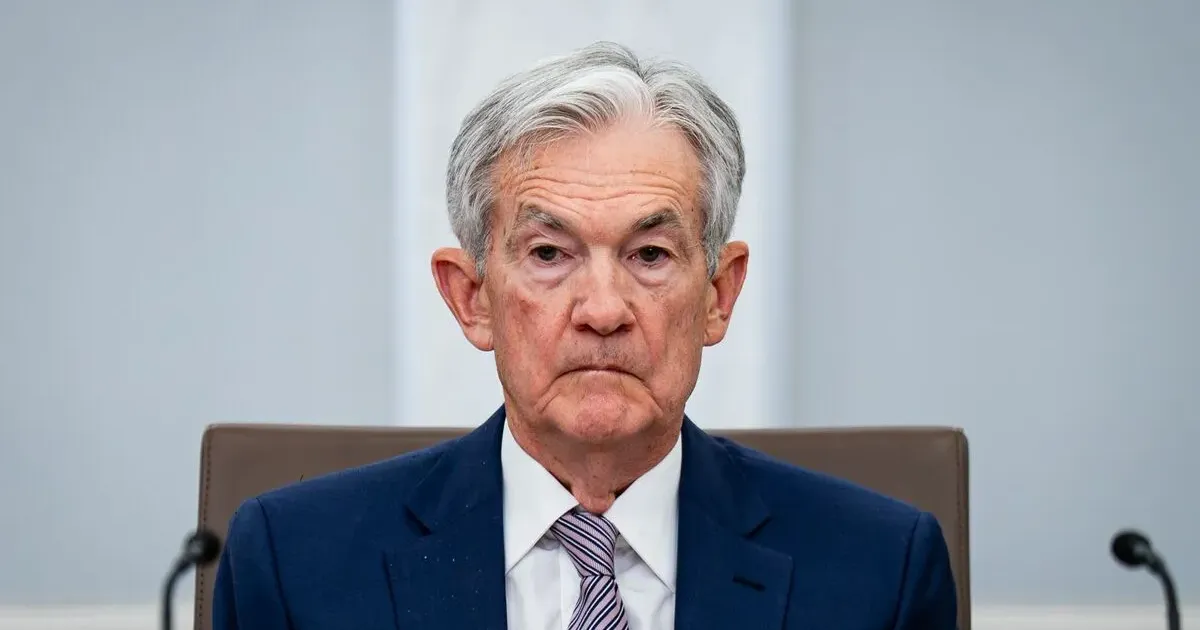
Powell's praise for the Volcker legacy was not only a tribute to a former central banker. It was also a defense of Fed independence at a time when political pressure over rates, prices and growth remains intense. Powell used the Volcker legacy to frame Fed independence as a current political issue. The Volcker legacy had become a way to frame the Fed's fight against political pressure. The message matters because rate decisions are again tied to inflation and election pressure. That is why Volcker remains a useful but uncomfortable comparison. Powell is invoking a model of central banking that accepted public anger as part of restoring credibility, even while today's households are already strained by borrowing costs. Powell is using history to defend the institution in the present, where rate decisions are already tangled with election pressure and household frustration. That is why the Volcker reference is pointed. Powell is telling markets that independence means little if it disappears whenever politics becomes uncomfortable.
Markets read central-bank language for hints about borrowing costs. The Fed's credibility depends on appearing harder to pressure than elected officials want.
Invoking Volcker reminds markets that credibility can require unpopular decisions, especially when inflation expectations become difficult to control. The message is aimed at investors, lawmakers and the public at once. Central bankers do not get much room for emotional language, so references to past institutional discipline carry policy meaning.
The hard part for Powell is showing independence without sounding indifferent to households still feeling the cost of borrowing and prices. That is the line Powell is trying to hold.
The Volcker comparison is effective because it reminds markets that credibility sometimes requires political pain. Powell is not only honoring a predecessor; he is signaling that the Fed cannot become a campaign accessory. The weakness is that households hear that message while paying higher borrowing costs, so independence has to be defended in plain economic terms.
The second problem is market memory. Investors may respect independence in theory, but they punish hesitation when inflation looks sticky. Powell's Volcker reference is meant to remind them that credibility is not built by pleasing Congress; it is built by convincing households and traders that the Fed will act even when politics turns hostile.
The sharper issue is institutional memory. Volcker is remembered because he accepted political anger as the price of breaking inflation psychology. Powell is invoking that history because today's Fed also needs markets to believe it will not treat every election-year complaint as a policy instruction.
Volcker is a useful reference for Powell because the name carries a warning about political pain. Central bank credibility is built when officials make decisions that elected leaders dislike, especially during inflation fights. The weakness in the message is that households still hear independence through mortgage rates, credit costs and grocery bills.
Rate Policy Under Pressure
Powell's Volcker reference carries a warning for both markets and politicians. The Fed wants credibility to survive election pressure, but credibility is expensive when households are still dealing with borrowing costs. That is why the speech reads as institutional defense rather than ceremonial praise.
Institutional Stakes
The point Powell is making is not subtle. A central bank that bends whenever politics gets loud stops being a guardrail and becomes another campaign instrument, and markets know the difference.