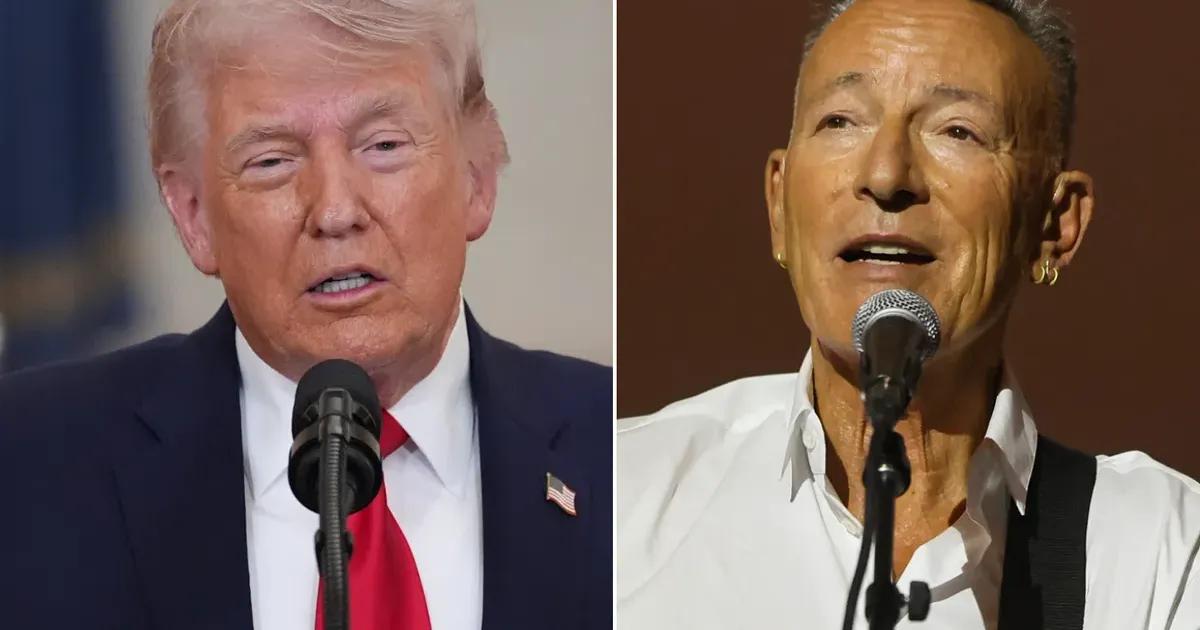
Donald Trump urged supporters to boycott Bruce Springsteen after the singer used his Land of Hope and Dreams American Tour to criticize the administration. The dispute began as a concert-stage political speech and quickly became a presidential social-media fight, with Trump responding through mockery, personal attack and a demand that MAGA supporters avoid the tour.
The episode was not surprising because Springsteen has kept politics inside his public identity for decades. What changed was the level of official attention. A rock singer criticizing a president is familiar American theater. A sitting president trying to turn that criticism into an organized consumer penalty is a sharper use of power, even when the target is a wealthy and famous artist with a loyal audience.
Springsteen Did Not Suddenly Become Political
Springsteen's tour placed his political voice in front of audiences that largely knew what they were buying. Reports from the Minneapolis opening show described a performance built around songs, protest language and criticism of administration policy, including immigration enforcement and the wider direction of the country. Fans could applaud it, tolerate it or reject it. None of that made the politics accidental.
Springsteen's established politics matter because the backlash is often framed as if the artist had broken a neutral contract with the audience. Springsteen's brand has long mixed working-class imagery, patriotic language, civic grief and argument about American democracy. The tour simply made that mixture louder. Trump answered by trying to make attendance itself feel like a political choice.
The Boycott Call Was About Discipline
A music boycott is hard to enforce. Tickets are usually sold months ahead, fans travel across regions and many listeners separate the catalog from the speech between songs. Trump may move some supporters away from Springsteen, but he is unlikely to erase a fan base built across half a century. The commercial effect depends on refunds, resale prices and late-tour demand, not on the volume of online anger.
The symbolic effect is clearer. The boycott demand tells cultural figures that criticism of the administration should carry a price. The loyalty demand makes the story larger than one singer and one president. Trump went beyond saying Springsteen was wrong and told his movement to treat Springsteen's shows as something loyal supporters should reject.
Personal Insults Replaced Argument
Trump's response leaned on age, appearance and ridicule. The style is familiar, but it remains revealing. A president can contest an artist's politics directly. He can defend policy, challenge a lyric, dispute a speech or argue that concertgoers want escape rather than lectures. In this case, the attack worked mostly by lowering the exchange into insult.
The choice serves a purpose. Insults are easier to circulate than arguments, and they force media coverage to repeat the clash in the president's preferred terms. Springsteen's original criticism becomes secondary. The insult becomes the story. The shift is useful for attention, but it does not answer the political claims that provoked the dispute.
The Audience Is Not a Single Bloc
Springsteen's audience is broad enough to contain Democrats, Republicans, independents, older fans, younger inheritors of the catalog and listeners who do not want any politics at a show. The breadth of the audience makes the boycott less predictable than the social-media framing suggests. Some fans will be alienated by the speeches. Others will hear them as part of the reason they bought a ticket.
Mick Jagger's later comments about concertgoers wanting relief from politics showed the tension inside live music more broadly. Some performers treat the stage as civic space. Others treat it as escape. Both models can work, but the decision belongs to the artist and the audience. A presidential boycott call tries to insert partisan command into that relationship.
The Fight Is Over Who Gets to Claim America
The deeper conflict is about cultural ownership. Springsteen claims a language of labor, democracy and national memory. Trump claims the right to punish cultural institutions that reject his movement's version of patriotism. The pressure point extends beyond ticket sales to whether dissenting artists can speak without being turned into loyalty tests for the president's supporters.
Springsteen can fill arenas, but Trump can command a national attention cycle. The imbalance is the point. The boycott may not damage the tour. It can still warn other entertainers, promoters and venues that criticism may bring political heat. The final measure will be whether audiences keep buying tickets, not one Truth Social post or one concert speech, when the stage becomes part music, part argument and part test of who is allowed to define the country's story.