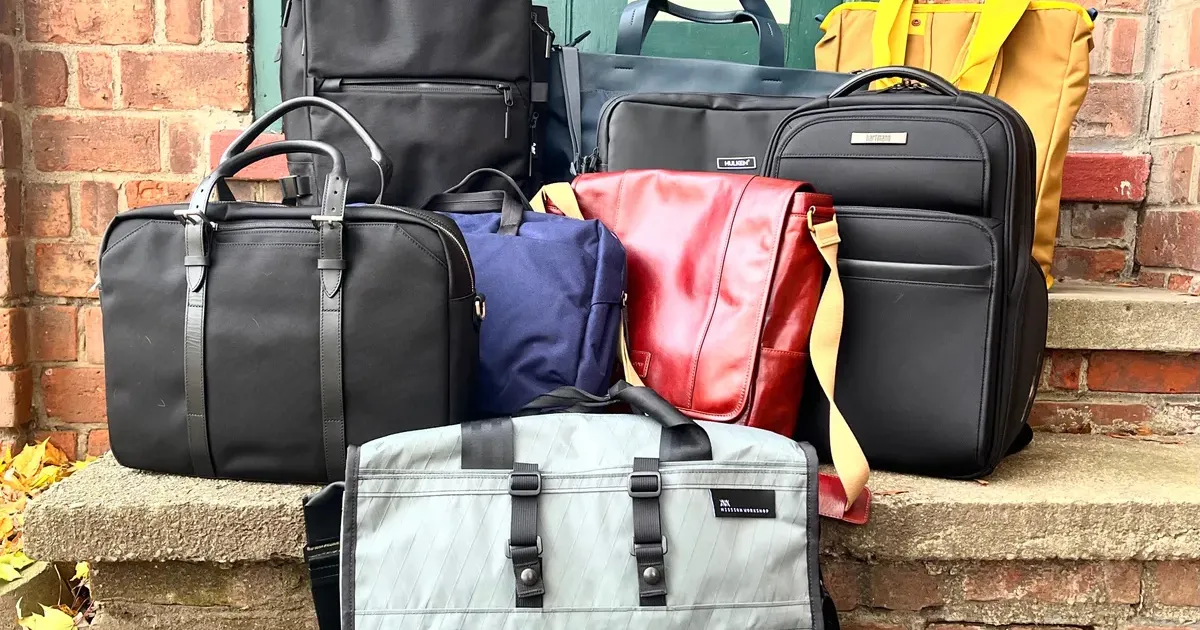
A visible divergence in the multi-billion-dollar luggage industry is taking shape as urban professionals pivot toward utilitarian gear. Markets once dominated by heavy hide briefcases now see a surge in technical fabrics and modular designs. The retail shift evident on April 3, 2026, gave bag makers a clear test of how office culture now values utility. Data from the $11 billion global luggage sector suggests that durability and weatherproofing have overtaken traditional prestige as primary purchasing drivers. Traditional leather silhouettes are receding in favor of bags that accommodate the hybrid lives of modern corporate employees.
Mission Workshop, a San Francisco-based company, leads this transition with designs that prioritize function over aesthetic convention. Its Transit Laptop Brief has become a reference point for this industry shift. It utilizes high-tenacity nylon and weatherproof hardware to protect electronics in volatile urban environments. Such construction methods were once reserved for outdoor enthusiasts or military contractors. Many professionals now demand these same protections for their daily commute through city centers where rain and physical wear are constant variables.
Technical Construction and Modern Materials
Materials like Cordura and ballistic nylon provide a strength-to-weight ratio that leather cannot match. High-performance fabrics allow for lighter carries even when bags are fully loaded with laptops, power banks, and personal items. Modern manufacturing focuses on internal architecture including padded sleeves and quick-access pockets for smartphones. These features reflect a work culture where accessibility and speed are prioritized over the slow ritual of unlocking a brass clasp. Many commuters find that traditional briefcases lack the internal organization required for modern peripherals.
Technical gear companies often employ laser-cutting and sonic welding to reduce seams and increase water resistance. These processes create a sleek appearance that fits into professional environments without appearing overly rugged. Mission Workshop utilizes a minimalist design language that allows their bags to remain appropriate for boardroom settings. The versatility of these materials means a single bag can transition from a morning bike commute to a high-stakes presentation. Reliability becomes a form of professional security in these contexts.
Internal surveys among frequent travelers indicate a preference for bags that can withstand the rigors of TSA checkpoints and overhead bins. Traditional hard-sided cases often fail to fit in tight spaces or scuff easily during transit. Soft-shell technical bags offer flexibility that rigid leather does not. This adaptability is critical for workers who navigate varied environments throughout a single workday. Resilience despite heavy use is now a benchmark for quality in the men’s accessories market.
Hybrid Use Cases for Modern Commuters
Cotopaxi has captured a specific segment of the market by offering convertible designs like the Todo Convertible Tote. This shift toward multi-way carry systems acknowledges that a standard shoulder strap is not always the most efficient method for movement. Backpack straps allow for even weight distribution during long walks or bicycle rides. Totes offer quick access for subway commuters who need to retrieve items without removing the bag. Cotopaxi focuses on recycled materials, appealing to a demographic that weighs environmental impact alongside utility.
The choices these days are seemingly endless, and figuring out the right one for your needs can be challenging, according to Andrew Amelinckx of Business Insider.
Gym culture and the blurring lines between personal and professional time have also influenced bag volume. Many men now require a single vessel capable of holding a change of clothes, sneakers, and a 16-inch laptop. Traditional briefcases are too narrow for this purpose, forcing workers to carry multiple bags. The rise of the hybrid work-gym bag solves this logistical problem by incorporating separate compartments for clean and soiled items. This internal division prevents cross-contamination and maintains a professional appearance on the exterior.
Comfort is a primary concern for the pedestrian commuter who may spend sixty minutes or more on their feet. Ergonomic shoulder straps with high-density foam are now standard in high-end work bags. Some manufacturers have even integrated ventilated back panels to reduce heat buildup during summer months. These features are direct responses to the physiological demands of the modern commute. A bag that causes physical strain is no longer acceptable regardless of its brand name or price point.
Technical Bags Redefine the Office Carry
The sudden obsession with technical work bags reveals a deeper anxiety within the modern professional class. It is about more than carrying a laptop; it is about the performance of readiness. By adopting gear designed for extreme environments, the white-collar worker indicates a desperate need to appear hyper-efficient and perpetually mobile. The heavy leather briefcase was a symbol of stability and a fixed destination. In contrast, the Mission Workshop bag is a symbol of the nomadic, unstable nature of 2026 employment. The pattern is clear: the militarization of the office supply chain, where a simple commute is treated like a tactical extraction.
The shift is also a triumph of marketing over actual necessity. Most commuters spend less than ten minutes in actual rain, yet they pay a premium for fabrics capable of withstanding a monsoon. Brands like Stuart & Lau or Cotopaxi have successfully convinced the public that a bag is a piece of life-saving equipment. It is the luxury of the paranoid. We have traded the timeless elegance of leather for the sterile, plastic functionality of ballistic nylon because we are terrified of being slowed down.
The modern man does not want a bag that ages with him; he wants a bag that survives the collapse of his schedule. Utility has become the new status symbol, but it is a hollow one that prioritizes the survival of the gadget over the dignity of the person. Productivity is now a combat sport.