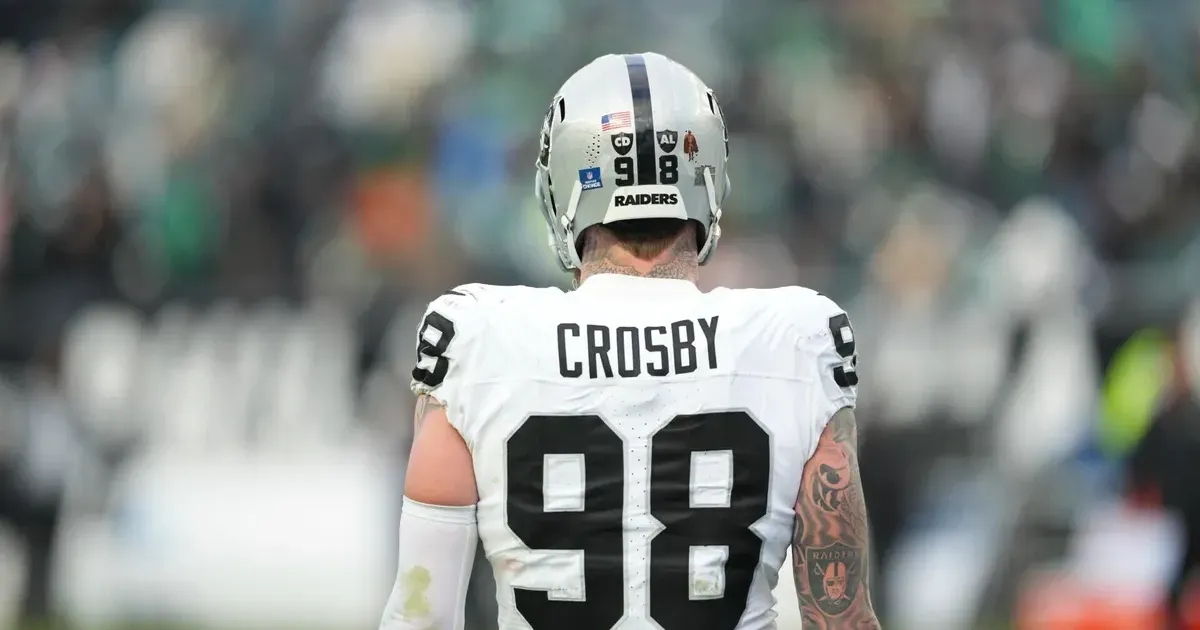
Maxx Crosby failed physical turned a blockbuster into a warning about how fragile NFL dealmaking can be. Baltimore lost the pass-rush centerpiece it expected, while Las Vegas was left with a problem it thought it had moved. On March 11, 2026, the failed physical mattered more than the original trade terms.
The Ravens-Raiders trade collapse leaves Baltimore without the pass-rush centerpiece it expected and Las Vegas with a problem it thought it had moved.
Medical Risk Beat Market Excitement
Teams can agree on picks, salary and role, but doctors can still stop the deal. That is especially true with an edge rusher whose value depends on explosion, leverage and durability. A knee concern is not a minor footnote when the acquisition cost includes premium draft capital. For Baltimore, the failed physical leaves more than a roster hole. The front office now has to explain why it pursued a deal large enough to reshape expectations before the medical review was finished. Las Vegas faces its own awkward reset. A star pass rusher who appeared close to leaving returns to a locker room that knows how seriously management considered moving him. The failed physical also changes leverage. Baltimore cannot simply return to the market as if nothing happened, because other teams now know how urgently it wanted an elite edge rusher. Las Vegas cannot pretend the situation is unchanged either, because the medical concern is now part of Crosby's public market file. For the player, the collapse is professionally awkward even if he remains valuable. A star can be healthy enough to play and still carry enough uncertainty to alter trade compensation. That distinction will matter if another team tries to reopen talks later. The Ravens have to revisit their pass-rush plan quickly. Draft capital, free agency alternatives and internal development all look different after a major trade falls apart. A defense built around an expected arrival must now be rebuilt around absence. The Raiders face the human side of the transaction. A player who nearly left has to return to teammates, coaches and fans knowing the organization accepted a framework to move him. Managing that relationship may be as important as managing the cap sheet. There is also a scouting lesson. Medical evaluations are not an afterthought to blockbuster deals; they are part of valuation from the first call. If a team treats health review as a final formality, it can spend days building a plan that collapses the moment doctors get the file. For both teams, the episode is a reminder that trade announcements are not transactions until every condition is satisfied. The public drama arrives first; the binding football reality arrives when the medical review clears. That is why the failed physical will linger beyond the transaction. It changed plans, leverage and trust for both front offices.
The Fallout Is Immediate
Baltimore now has to repair a defensive plan built around a player it will not get.
Las Vegas must deal with the cap, the locker room and a star whose market has been publicly complicated.
The sharp conclusion is that the trade was bold, but the physical was final. In the NFL, ambition still has to pass an exam table.