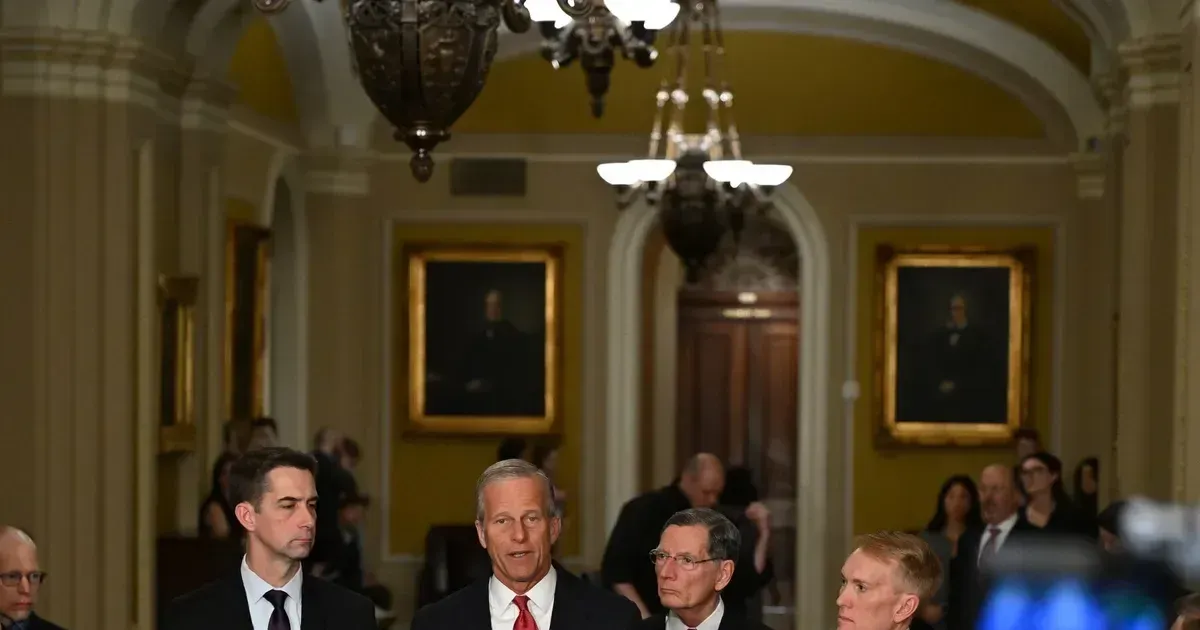
Congressional Republicans prepared to vote on a series of disputed proposals that challenge traditional party fiscal and foreign policy boundaries. President Donald Trump requested $1 billion for a ballroom project, forcing a choice between party discipline and spending scrutiny. These measures, scheduled for floor action on May 21, 2026, arrive as the administration seeks to solidify legislative control across multiple departments.
Republican leaders in the House of Representatives have framed the votes as essential markers of party unity. The proposed spending includes a unique federal fund designed to compensate allies of the president. These individuals must demonstrate they were targets of legal or administrative actions that the administration classifies as political targeting. Critics within the party have privately questioned the use of taxpayer dollars for presidential venue construction and private legal settlements.
Budgetary experts noted that the ballroom appropriation represents an extraordinary use of the General Services Administration budget for a special-purpose federal venue. Supporters argue the venue is necessary for official state functions that the White House currently cannot accommodate. Fiscal hawks, however, expressed concern regarding the lack of competitive bidding for the construction contracts. Leadership has made it clear that opposition to the ballroom will be viewed as a direct break with the executive branch.
The legislative package also includes a mechanism for the proposed persecution fund.
According to the draft legislation, the fund serves individuals who "claim to have been politically persecuted" by previous or current federal law enforcement agencies.
Legal analysts suggest this provision could face immediate challenges in federal court. Funding for the program would come from discretionary accounts traditionally reserved for victim restitution and witness protection. House leadership expects a narrow margin for passage as several moderate members weigh the potential backlash from fiscally conservative constituents. The measure requires a simple majority to move to the Senate.
Funding for Personal and Legal Priorities
Spending levels for the ballroom project exceed the annual budgets of several small federal agencies. Lawmakers scheduled for the floor debate indicated that the $1 billion figure is a non-negotiable requirement from the Oval Office. Republican strategists believe the vote serves to identify which members are fully aligned with the president’s personal agenda before the upcoming midterm cycle. The tally will likely determine future committee assignments and primary endorsements.
Appropriations Committee members spent weeks refining the language to ensure the funds could be disbursed quickly. Resistance from the minority party has been consistent, though Republicans hold enough seats to pass the measure without bipartisan support. Internal party memos suggest that any GOP member voting against the ballroom project may face an organized primary challenge. This pressure has unified most of the caucus despite the unusual nature of the request. Legal experts are watching how figures like Todd Blanche shape the evolving relationship between the DOJ and the presidency.
Discussions regarding the persecution fund have also divided the Republican legal community.
Leading conservative jurists have questioned whether Congress has the authority to create a payout system for political allies. Supporters of the bill maintain that the Department of Justice has been weaponized against the president’s inner circle for years. They argue that financial compensation is the only way to rectify what they term systemic bias within the civil service. The bill does not specify which cases qualify for payment, leaving that determination to a newly appointed commission.
Legislative Friction Over the War in Iran
Military engagement in Iran remains the most volatile component of the upcoming legislative schedule. Congress must decide whether to continue funding active operations or exert more oversight through the War Powers Act. President Trump has requested an additional surge in resources to maintain the current offensive posture. Many Republicans who supported the initial intervention are now facing pressure to define an exit strategy or a clear set of victory conditions.
Senate Majority Leader John Thune has coordinated with House leadership to ensure a unified front on the war funding. While some libertarians in the party have called for a withdrawal, the majority of the caucus appears ready to authorize the requested billions. The vote is seen as a test of whether the GOP will maintain its hawkish stance under direct presidential command. Military analysts suggest the current funding will last only through the end of the fiscal year.
Deployment schedules and equipment replacement costs have strained the defense budget sharply. Pentagon officials briefed lawmakers on the necessity of the current troop levels to prevent a regional vacuum. Some members of the Freedom Caucus have suggested that war funding should be tied to domestic spending cuts, creating a secondary conflict within the party. The final version of the bill excludes these offsets to ensure rapid passage.
Debate on the House floor is expected to last late into the evening.
Bundled Votes Make Republican Dissent More Costly
The current legislative push indicates a transformation of the Republican platform into a vehicle for executive reinforcement. By tying a White House ballroom project and a legal defense fund to essential war funding, the administration has created an all-or-nothing environment for its members. This strategy effectively eliminates the possibility of surgical dissent. Lawmakers who might otherwise oppose the $1 billion ballroom are unlikely to risk being labeled as anti-military during an active conflict in the Middle East.
Strategic focus has shifted from ideological purity to personal fealty. The persecution fund, in particular, suggests a long-term plan to reshape the federal workforce by rewarding those who remained loyal during previous investigations. If these measures pass, it will signal a new era where taxpayer resources are routinely deployed to settle political grievances and expand executive facilities. The precedent set by the ballroom appropriation could allow future administrations to seek similar executive infrastructure funding.
Constitutional questions regarding the war in Iran may persist regardless of the vote's outcome. While a legislative win would provide temporary political cover, the lack of a formal declaration of war continues to create legal ambiguity. The Republican Party now faces a future where its primary function is the protection and promotion of the executive’s personal and political interests. Traditional fiscal conservatism is now under visible strain. The overlap also makes it harder for members to treat the ballroom dispute as separate from the larger Iran-war vote count.