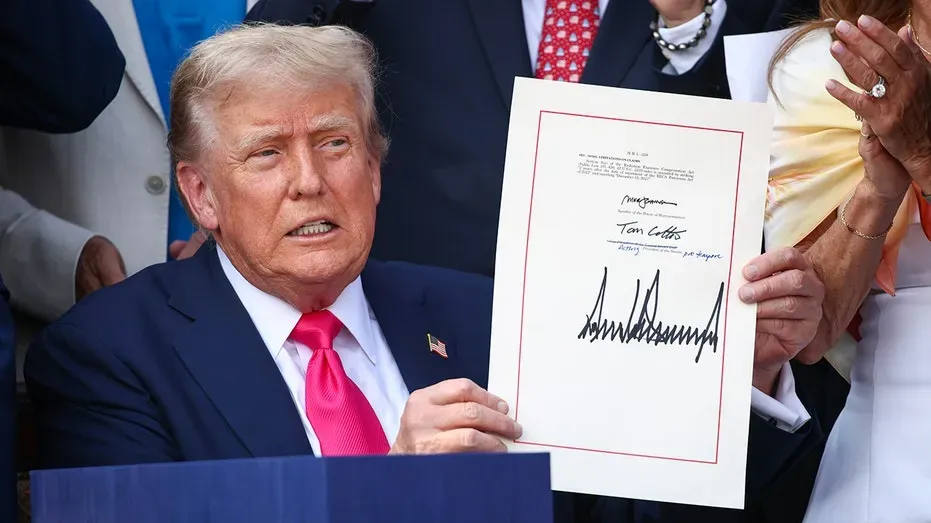
House Speaker Mike Johnson and President Donald Trump moved to solidify their economic platform by showcasing a large tax relief initiative for service workers that Republicans passed last summer. Conservative leadership is now deploying serious resources to ensure voters recognize the impact of these changes before the looming tax filing deadline. By March 31, 2026, Republicans were treating the tax message as a campaign asset before voters filed returns.
American Action Network, a leading advocacy group closely aligned with the Speaker, began a $10 million national advertising campaign on Tuesday. This broadcast push aims to educate the public on the Working Families Tax Cuts Act, a legislative package that eliminated federal income taxes on gratuities and overtime pay.
American Action Network Funds Large Tip Tax Ad Campaign
National airwaves will carry the American Action Network message through April 15, targeting households during the peak of tax preparation season. Chris Winkelman, the president of the organization, stated that the campaign highlights conservative policies designed to lower costs for working citizens. He emphasized that every Democratic legislator voted against these specific cuts.
Republicans secured the largest tax cut in history and stood up for working families. Legislative analysts note the campaign is a strategic foundation for the GOP as they attempt to retain their congressional majorities. By focusing on real increases in tax returns, party strategists hope to shift the national conversation toward individual pocketbook gains. The $10 million investment represents one of the largest issue-advocacy expenditures of the current election cycle.
Messaging within the advertisements links the current relief directly to the 2024 campaign promises made by the president. Party officials intend to use the tax filing deadline as a catalyst for political momentum. They are framing the opposition as a threat to the newfound disposable income enjoyed by service industry employees.
Treasury Department Reports Millions Claiming New Tax Deduction
Data recently released by the Treasury Department indicates that 3.5 million Americans have already claimed the deduction for untaxed tips this year. This provision allows qualifying individuals to deduct up to $25,000 in annual tip income from their federal taxable total. Such widespread participation suggests the policy has reached deep into the gig economy and hospitality sectors.
Internal Revenue Service processing centers have seen a surge in filings from bartenders, waitstaff, and delivery drivers since the window opened in January. Treasury officials confirmed that the deduction remains available to individuals earning up to $150,000 annually. For married couples, the phase-out begins at $300,000, ensuring the benefit targets middle- and lower-income earners.
"This is going to make a big difference," Bob Mitchell told House Speaker Mike Johnson during a meeting in the Speaker's office.Administrative records show the 2025 law was drafted to be retroactive, permitting workers to apply the benefits to their 2025 earnings. This retroactivity resulted in larger-than-expected refunds for millions of households this spring. Financial planners have noted a meaningful uptick in consumer liquidity within regions heavily dependent on tourism and service industries.
Congressional Democrats Oppose Working Families Tax Cuts Act
Democratic lawmakers remained unified in their opposition to the bill when it reached the floor in July 2025. Their primary grievances centered on the deep reforms the legislation imposed on Medicaid and various food assistance programs. Party leaders argued that the tax benefits for tipped workers were a political distraction from the erosion of the social safety net. Fiscal hawks within the Democratic caucus also raised concerns regarding the long-term impact on the federal deficit. Estimates from the Congressional Budget Office suggest the elimination of taxes on tips and overtime could reduce federal revenue by hundreds of billions over the next decade. These critics suggest the policy creates an imbalance in the tax code that favors certain types of income over traditional wages.
The legislative battle showcased the ideological divide between a focus on direct tax relief and a commitment to funded social infrastructure.
Republican leaders countered these arguments by pointing to the immediate economic stimulus provided by increased take-home pay. Mike Johnson has frequently characterized the law as a win for those he calls our people. The Speaker insists that the economic growth generated by the cuts will eventually offset the initial loss in tax revenue. The message also has to survive close reading from workers whose income varies week to week. A deduction can sound large in an ad while producing a smaller benefit after eligibility limits and payroll realities are applied.
Campaign Stakes for Republicans
The ad blitz shows Republicans trying to turn a tax provision into a kitchen-table identity issue. Tips and overtime are easier to explain than broader fiscal arguments, which makes them useful in paid media.
The risk is that voters judge the law by their own returns, not by the commercial. If the benefit feels narrow or offset by other costs, the campaign may have less persuasive power than its budget suggests.