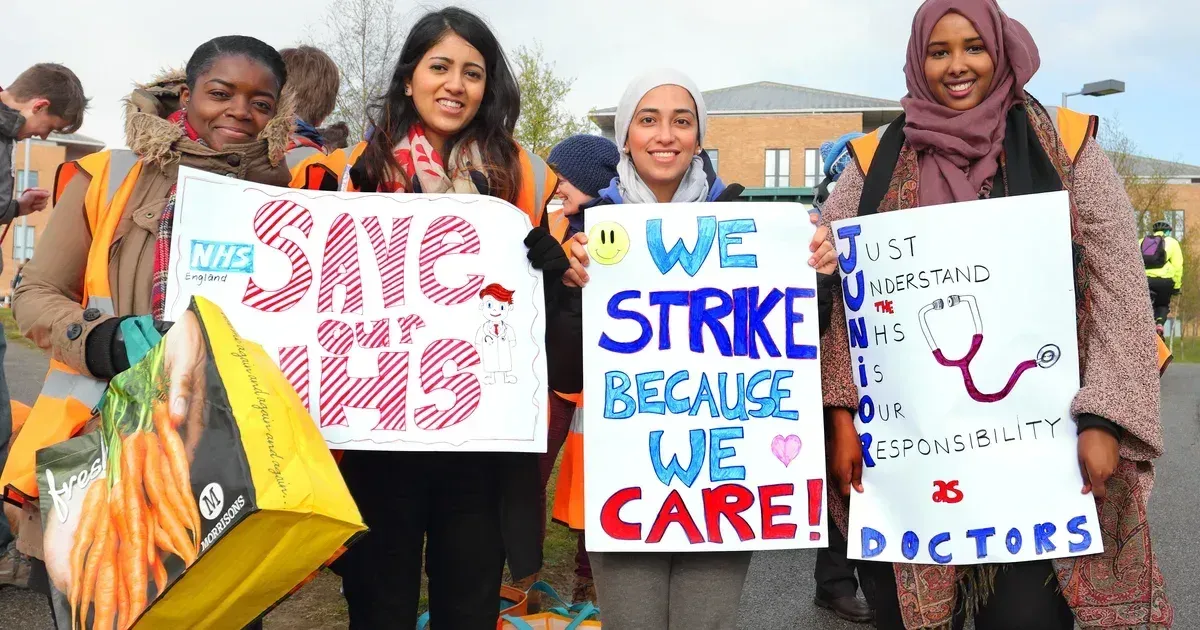
Resident doctors in England were due to begin a six-day strike at 7am on April 7, 2026, after their union rejected a government package on pay, professional costs and specialty training. The action was scheduled to end at 6:59am on April 13.
The British Medical Association said the final offer was insufficient after weeks of talks. The government said the package represented a substantial improvement and withdrew 1,000 additional training posts that had been planned for an April recruitment round when the strike went ahead.
The Rejected Offer Covered More Than Salary
The government package included the 3.5% award recommended for 2026-27 by the Review Body on Doctors' and Dentists' Remuneration. It also proposed changes to pay progression over three years, reimbursement of mandatory Royal College examination fees from April 2026 and expansion of specialty training.
The training element promised at least 4,000 additional specialty posts over three years, with a target of 4,500. One thousand were to be brought forward for an April 2026 recruitment round and August starts.
The BMA rejected the package on March 25. It said the pay element did not reverse the long-term loss of purchasing power claimed by resident doctors and argued that the proposed progression changes spread too little money over too many years.
The government maintained that doctors would still receive the 3.5% award and said its wider deal would have made resident doctors 35.2% better off on average than four years earlier. Those figures answer different questions: one describes the current annual award, while the other compares cumulative nominal pay across several years. Neither alone settles the dispute over real-terms pay since 2008.
One Thousand Training Posts Were Removed
After the BMA refused to cancel the strike, the Department of Health and Social Care said the 1,000 early training places were no longer financially or operationally possible. The remaining dispute therefore involved both pay and access to specialty careers.
That change should not be described as ministers retracting an unspecified financial offer. The identifiable withdrawal concerned training posts. The BMA said the government had changed a deal that was taking shape; ministers said the union rejected a landmark package and made the early recruitment round impractical.
Training capacity is not interchangeable with base pay. More posts can reduce bottlenecks for doctors seeking specialty careers and help workforce planning, but they do not increase the salary attached to every existing job. Conversely, a pay rise does not guarantee that qualified doctors can enter the training programme they seek.
A sound account therefore has to report both parts rather than forcing the dispute into a single percentage. The decision also deserves a later audit showing whether the withdrawn posts were restored, replaced or permanently lost.
NHS England Prioritized Time-Critical Care
NHS England said the short notice, Easter timing and bank holidays made the strike particularly difficult. Hospitals were instructed to prioritize urgent and emergency care, cancer services, maternity care and urgent surgery while keeping as much planned activity running as possible.
Patients were told to attend scheduled appointments unless their provider contacted them to reschedule. GP practices, NHS 111 and urgent and emergency services were expected to remain available. NHS England said life-threatening emergencies should still go to 999 or accident and emergency departments.
The health service cited its performance during a five-day December strike, when it said almost 95% of planned activity was maintained. That comparison did not guarantee the same result in April because the notice period and holiday context differed.
The April 6 sources did not provide a forecast for the number of cancelled appointments, operations or diagnostic delays. Claims that many routine procedures would definitely be postponed, or that delayed diagnostics would cause later-stage disease, went beyond the information available before the action began.
Strike Effects Need Outcome Data, Not Collapse Claims
Industrial action can create real costs. Consultants and other staff may be moved from planned work, rotas must be rebuilt and some patients may be rescheduled. But a six-day strike does not prove that a tax-funded health system is insolvent, permanently broken or destined for collapse.
The proper assessment comes from post-strike data: participation by trust, planned activity delivered, cancellations, urgent-care waits, safety incidents, staffing costs and how quickly delayed work was recovered. The same review should publish the final pay and training terms so the public can compare disruption with the agreement eventually reached.
Workforce retention also needs evidence rather than anecdotes about doctors leaving for other countries. Relevant measures include vacancies, specialty application ratios, completion rates, resignations, emigration and return to NHS employment over time.
The BMA and government entered the strike with competing claims about fairness and affordability. Both can be tested. The union should quantify the pay baseline it wants restored and the workforce effect it expects; ministers should disclose the fiscal cost and service assumptions behind their limit. Declaring the NHS bankrupt avoids that work. The hard question is whether the final settlement retains doctors and protects care at a cost the system can sustain.