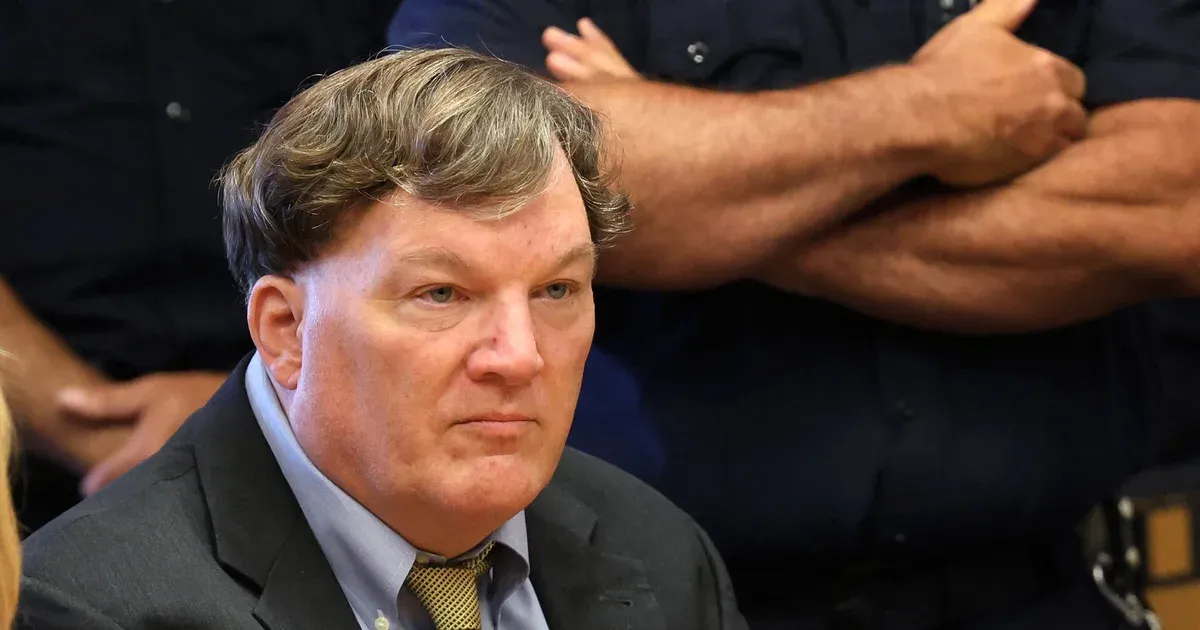
Rex Heuermann will spend the rest of his natural life behind bars after a New York judge delivered a definitive sentence in the long-running serial murder case that haunted Long Island for over a decade. Proceedings held on June 17, 2026, concluded the legal trajectory for the man once known only as an unassuming Manhattan architect. Officials confirmed the defendant will never be eligible for parole, effectively ending a chapter of criminal history that began with the discovery of remains along a desolate stretch of highway in 2010.
Court records show the judge handed down three life sentences to run consecutively, ensuring Heuermann remains incarcerated regardless of any future appeals. Four additional charges resulted in sentences of 25 years to life each, adding another layer of finality to the 62-year-old architect’s punishment. Heuermann previously admitted his role in the deaths of eight women, a move that avoided a lengthy trial but forced a direct confrontation with the surviving relatives of his victims during the Wednesday hearing.
Standing before the court, the defendant faced a room filled with grief-stricken families who had waited years for this moment of accountability. Prosecutors detailed how Rex Heuermann maintained a carefully organized double life, operating a successful architectural firm in Midtown while seeking out vulnerable women. This duality allowed him to evade detection for years despite the increasing frequency of his activities. Law enforcement experts noted the contrast between his professional stature and the predatory nature of his documented crimes.
Forensic Evidence in Massapequa Park
Specific details regarding the crimes emerged during the sentencing phase, particularly concerning the Massapequa Park residence where Heuermann lived with his family. Investigators identified a specific area in the basement as a kill room, where most of the murders were carried out while his wife and children were away from the home. Search teams discovered structural modifications and forensic traces that linked the architect directly to the deaths of the victims. These physical findings formed the backbone of the prosecution's case and eventually pressured the defendant into his April guilty plea.
Evidence collection at the property took several weeks as forensic teams combed through decades of accumulated belongings and architectural blueprints. Detectives found that the basement layout provided the necessary seclusion for his activities, away from the sight of neighbors in the quiet suburban street. Documents recovered from the home suggested a high degree of planning and preparation went into every encounter. Such organizational traits are common among predatory offenders but rarely seen in such a sustained manner over several decades.
Architectural expertise likely aided the defendant in concealing the true purpose of his home modifications for so long. Neighbors described the suspect as a quiet, if somewhat eccentric, figure who spent considerable time working on his property. Public records indicate that the home stayed in the family for years, providing a consistent location for the crimes. The realization that such violence occurred in a standard residential neighborhood continued to unsettle the local community throughout the sentencing process.
Confronting the Victims’ Families
Victims' families used the sentencing hearing to address Heuermann directly, labeling him a coward for his actions. Many speakers detailed the psychological toll of the uncertainty that defined the years before his arrest in 2023. These emotional testimonies highlighted the loss of daughters, sisters, and mothers whose lives were cut short by the architect’s secret compulsions. Heuermann largely avoided eye contact with the gallery, though the judge frequently interjected to ensure the defendant heard every word spoken against him.
"Get him out of here," the judge ordered during the heated exchange.
Direct exchanges between the bench and the defense characterized the final minutes of the hearing. The judge rejected any possibility of leniency, citing the sheer volume of evidence and the calculated nature of the killings. This firm stance mirrored the public sentiment in Suffolk County court, where the Gilgo Beach case had become a symbol of unresolved trauma. Security was heightened throughout the courthouse as the reality of the life-without-parole sentence became official.
Legal observers noted that the guilty plea in April likely saved the state millions of dollars in trial costs and spared the families years of further litigation. However, the requirement for Heuermann to appear in person for the sentencing ensured that the human cost of his actions remained the focus of the day. The architect was led out of the courtroom in handcuffs immediately following the final pronouncement. Prison officials are expected to transfer him to a high-security facility in upstate New York by the end of the week.
Consecutive Sentences Close Off Any Path to Release
Justice in the Gilgo Beach case arrives through a complex web of consecutive life terms that practically eliminate any path to freedom. By structuring the sentence with multiple life counts plus additional 25-year segments, the court has created a legal firewall against future parole board interventions. Even if one conviction were overturned on technical grounds, the remaining sentences would keep Heuermann in state custody for the duration of his life. The strategy is frequently employed in multi-victim homicide cases to provide the highest level of protection for the public.
Future civil litigation may follow this criminal conclusion as families seek to recover damages from any remaining assets the architect holds. While his Manhattan firm has long since shuttered, the Massapequa Park property and other personal holdings could be targeted in subsequent lawsuits. New York law provides specific avenues for victims of violent crimes to seek financial restitution, though the primary focus for these families was the permanent removal of Heuermann from society. The finality of today's ruling allows investigators to turn their full attention toward any other potential cold cases that might share the same forensic signature. The sentence also closes one phase of a case that reshaped public attention around long-unsolved killings on Long Island. Investigators will still face pressure to explain whether every victim has been identified and whether any unresolved leads remain. For prosecutors, the sentence is also a public accounting after years of uncertainty. The next measure of closure will be whether remaining evidence can answer questions for families still waiting for names, timelines or corroboration.