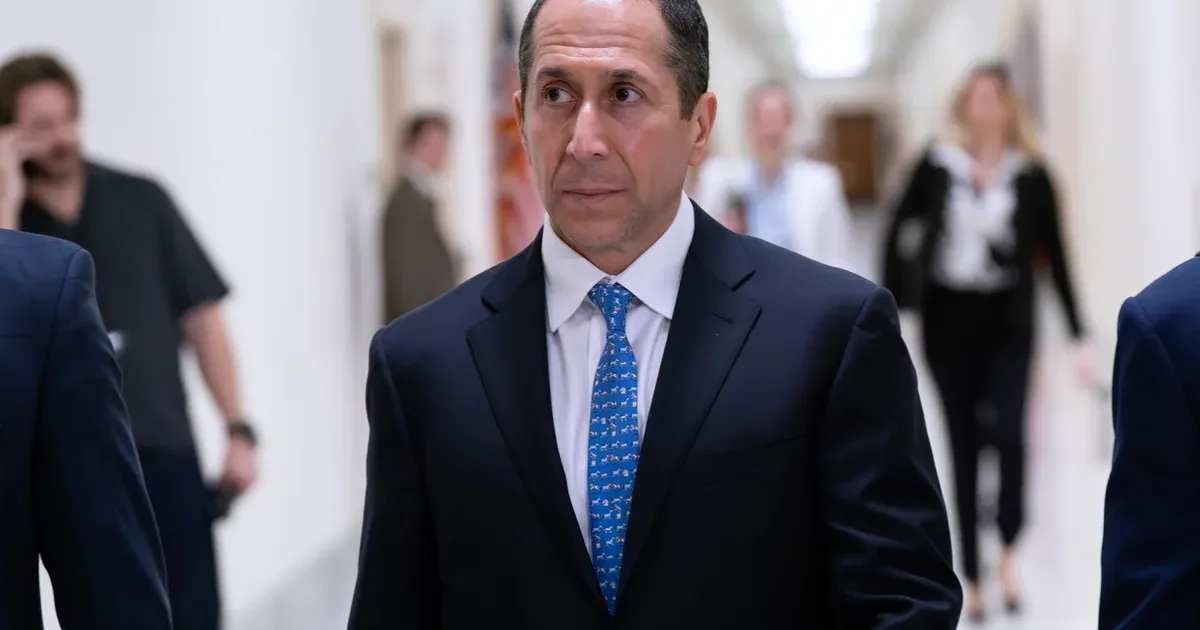
Richard Kahn's House Oversight testimony kept the Epstein estate's money trail under renewed pressure from lawmakers. The hearing intensified on March 11, 2026
Richard Kahn’s House Oversight testimony kept the Epstein estate’s money trail under fresh pressure from lawmakers.
Kahn Faces the Ledger Questions
Richard Kahn adjusted his glasses under the harsh fluorescent lights of the Rayburn House Office Building on Wednesday morning. He appeared as the central figure in a long-delayed reckoning regarding the financial infrastructure of Jeffrey Epstein's criminal enterprise. House Oversight Committee members spent hours pressing the longtime accountant for details on how millions of dollars flowed through offshore entities while federal investigators simultaneously grappled with a massive security failure. Reports reviewed by lawmakers say a foreign state actor breached FBI servers in New York three years ago, specifically targeting sensitive files related to the Epstein case. Reuters first reported the breach of the New York Field Office servers, which occurred in late 2023.
Foreign hackers managed to infiltrate the secure network and extract terabytes of data, much of which involved the evidentiary chain for the sex trafficking investigation. Lawmakers now believe the breach may have been a state-sponsored effort to protect or blackmail high-profile figures whose names appeared in the primary source documents. This testimony provides the first public link between those digital vulnerabilities and the physical ledger kept by Kahn for decades. Silence filled the room for several seconds when Kahn was asked about the identity of the primary beneficiaries of the Virgin Islands trusts. Kahn served as the executor of Epstein's estate and managed the complex web of shell companies that allowed the financier to move money without detection.
The Epstein money trail still sits between public suspicion and prosecutable proof, making Kahn's testimony more than a procedural appearance.
During his opening statement, he attempted to distance his professional duties from the illegal activities of his employer. He claimed his role was strictly administrative, focusing on tax compliance and asset management rather than the personal conduct of Epstein. But Committee members remained skeptical, pointing to the overlapping timelines of large wire transfers and the arrival of victims at various properties.
Digital Evidence Becomes a Liability
House Oversight Committee Chairman James Comer questioned Kahn about a series of wire transfers originating from Deutsche Bank accounts. These transfers often occurred just days before Epstein moved between his residence in Manhattan and his private island in the Caribbean. Kahn maintained that he followed all standard accounting practices and that the source of the funds appeared legitimate at the time. Yet the committee produced records suggesting that Kahn authorized payments to individuals who have since been identified as recruiters for Epstein's operation. Federal agents in the New York office discovered the 2023 cyber intrusion only after an internal audit revealed unauthorized access to the Epstein sub-directory.
Investigators have yet to recover the stolen data. This investigation has revealed that the hackers utilized a sophisticated zero-day vulnerability to bypass the FBI's encryption. Security experts suggest the timing of the hack was not coincidental, as it occurred during a period of intense legal pressure to release the full client list to the public. If a foreign power now possesses that list, the potential for international use is astronomical. Accountants like Kahn often operate in a grey area where client confidentiality clashes with criminal liability.
Representative Elaine Quijano pressed Kahn on his relationship with Ghislaine Maxwell and other associates who facilitated Epstein's lifestyle. Kahn admitted to meeting Maxwell on numerous occasions but denied any knowledge of the abuse taking place. He instead focused his responses on the liquidation of assets, which has reached hundreds of millions of dollars since Epstein's death in 2019.
Congress Presses the Estate Records
The liquidation process allowed the estate to settle numerous civil claims, but it did little to satisfy the public's demand for criminal accountability for those still walking free. Internal memos from the Department of Justice suggest that the FBI's New York office was warned about potential cyber threats months before the 2023 breach. Analysts warned that the Epstein files were a high-value target for both domestic and international actors. The failure to secure these servers has created a massive hole in the prosecution's ability to verify the authenticity of some remaining digital evidence. Prosecutors must now rely more heavily on physical records and the testimony of individuals like Kahn to fill the gaps left by the digital theft.
Kahn's deposition lasted over six hours, covering everything from the purchase of the Zorro Ranch in New Mexico to the maintenance of the Gulfstream jets known as the Lolita Express. He frequently cited attorney-client privilege or claimed a lack of recollection when asked about specific meetings with politicians and business leaders. Legislators expressed frustration with what they termed a wall of silence that continues to protect the most powerful people involved in the scandal. The committee has vowed to subpoena additional bank records to cross reference Kahn's testimony with the actual flow of currency. Financial transparency remains the only path toward uncovering the full scope of the network that supported Epstein for thirty years.
While Kahn remains a free man for now, his legal team spent much of the afternoon whispering in his ear as the questioning turned toward potential money laundering violations. The intersection of a compromised FBI investigation and a reticent accountant has left the American public with more questions than answers.
Why the Money Trail Still Matters
Why does the American public still tolerate the systematic burial of the Epstein client list under the guise of national security or bureaucratic incompetence? The revelation that the FBI's New York office allowed foreign hackers to waltz into their servers and snatch the most sensitive files of the decade is either a display of gross negligence or a calculated act of institutional self-preservation. It is far too convenient that the very evidence capable of toppling global power structures simply vanished into the ether of a foreign cyberattack. Richard Kahn sits before Congress today playing the role of the humble bean counter, yet he was the architect of the financial shadows that allowed a predator to thrive for decades.
We are expected to believe that a man who tracked every penny for Jeffrey Epstein was somehow blind to the purpose of those expenditures. That charade of oversight hearings serves as little more than political theater if no one faces a prison cell for the underlying crimes. The failure to secure the New York servers has effectively granted a digital pardon to every co-conspirator whose name was on those drives. If the Department of Justice cannot protect its own evidence, it has no business claiming to represent the interests of the victims.