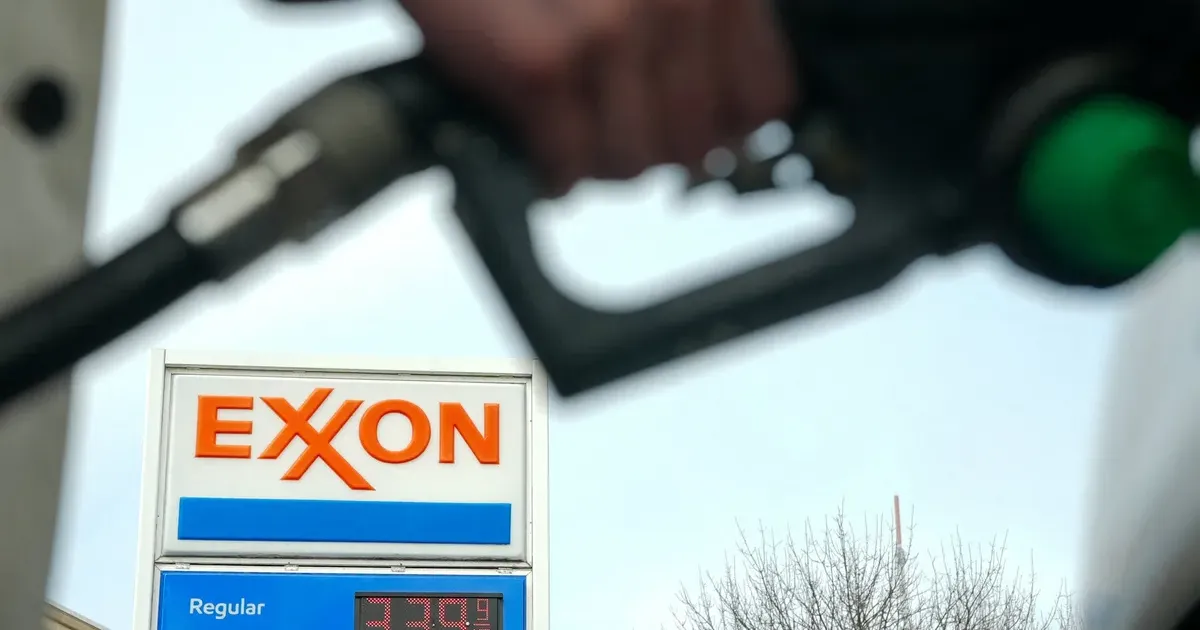
The fuel-price surge has put the Federal Reserve between the inflation it wants to cool and the shock it cannot control. Energy prices are not a normal demand signal when they are driven by war, shipping risk and fear in crude markets. By March 10, 2026, the Federal Reserve policy dilemma had become harder because households were seeing fuel costs rise before officials could declare inflation beaten.
Rising fuel costs have trapped the Federal Reserve between the inflation it wants to cool and the shock it cannot control.
The Shock Is Not Simple
Rising fuel costs can lift headline inflation quickly. They also feed delivery costs, airline fares, food distribution and consumer psychology. The Fed can argue that an oil shock is temporary, but that argument weakens if businesses pass costs through and workers demand protection from another inflation wave. That is why inflation expectations matter as much as the price of crude itself.
Rate Cuts Get Harder
If the Fed cuts rates while fuel prices are rising, critics will accuse it of ignoring household pain. If it holds rates high, it may deepen stress in credit-sensitive parts of the economy. Neither option is clean. A war-driven energy shock does not fit neatly into a domestic interest-rate tool. The central bank must communicate that distinction clearly or risk looking either complacent or panicked.
The Credibility Test
The severe conclusion is that the Fed cannot solve a Gulf crisis with monetary policy. It can only prevent the shock from becoming embedded in broader prices. That requires patience, careful language and a refusal to pretend that one inflation number tells the whole story.
If energy keeps climbing, the Fed will be judged less by whether it moves quickly and more by whether it explains the tradeoff honestly.
The Inflation Trap
The next inflation reading will matter less as a number than as evidence of whether fuel pressure is spreading into the rest of the economy.
The Federal Reserve cannot drill oil, escort tankers or negotiate a ceasefire. That is why fuel inflation is such a cruel policy problem. Rate hikes can cool demand, but they cannot remove the supply shock that pushed prices higher. If officials tighten too hard, they risk weakening households already paying more for essentials. If they wait too long, energy costs can bleed into expectations. The central bank needs careful language that separates what monetary policy can influence from what it cannot. Pretending otherwise will only damage credibility. The public can tolerate hard tradeoffs more easily than evasive certainty.
Markets will listen for that distinction. If Fed officials sound too confident, investors may assume they are underestimating energy risk. If they sound too alarmed, households and businesses may pull back faster than necessary. The best posture is narrow and honest: watch expectations, avoid overreacting to one price spike and admit that fiscal and foreign-policy decisions carry part of the burden. Monetary policy cannot be the only adult in the room.
Fuel costs also complicate wage talks. Workers who see gasoline and grocery bills rise will press for compensation, while employers facing transport costs may resist. That tension is where a temporary energy shock can become stickier. The Fed will be watching that channel closely.