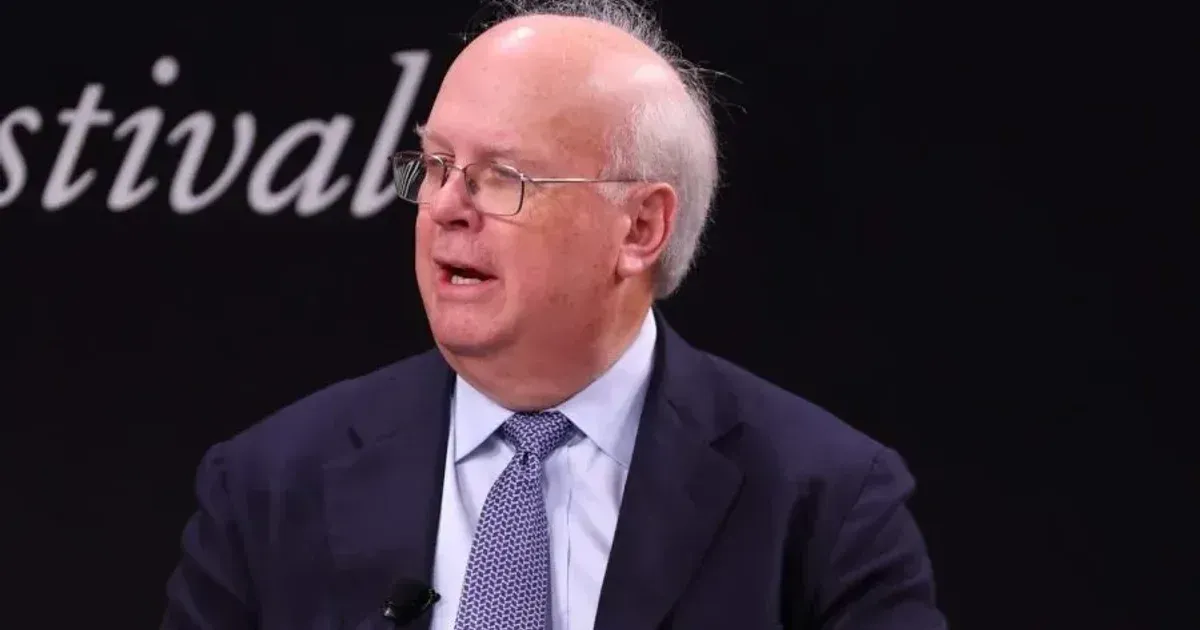
Karl Rove pointed to falling polls for Virginia Governor Abigail Spanberger as Republicans tested early attacks on her administration. His television remarks framed the numbers as evidence that voters were souring on Democratic management. The critique on April 9, 2026, gave national Republicans a familiar message, but the political meaning of early polling remains limited. Polls early in a governorship can capture mood more than settled judgment. Voters may be reacting to national conditions, local frustrations or the normal difficulty of moving from campaign promises to governing choices.
Polling Pressure in Virginia
Rove's argument is still useful for Republicans because it turns scattered dissatisfaction into a clear story. If voters hear repeatedly that Spanberger is losing support, that perception can shape fundraising, recruitment and media coverage. Democrats will argue that the administration should be judged on policy outcomes rather than a snapshot. They will also point out that Virginia's electorate is competitive enough for both parties to overread short-term movement.
Local delivery will decide whether the attack sticks, especially in suburbs where voters often separate state competence from national party frustration.
Rove Tests a Republican Message
The attack likely previews a broader Republican strategy. Spanberger can be tied to national Democrats on spending, schools, energy or public safety, depending on which issue polls best. Rove's comments give that strategy a polling hook.
The governor's response should avoid panic. A defensive posture can make early numbers seem more important than they are. A clearer agenda and visible local wins may matter more than arguing with cable commentary.
Virginia often functions as a national signal because its elections arrive outside the presidential cycle. That makes every poll tempting to nationalize. The risk is that analysts treat ordinary governing turbulence as a major realignment.
For now, the numbers create pressure, not destiny. Spanberger has time to recover ground, but Republicans have found a line of attack they are likely to repeat.
Spanberger's team will likely focus on governing competence rather than direct argument with Rove. Governors can improve their standing through visible service delivery, local travel and issue-specific wins that voters recognize outside national media. That approach is slower than a rebuttal, but it is often more durable.
Republicans, however, have an incentive to define her early. If they can attach falling approval to a broader story about Democratic weakness, they can influence donor behavior and candidate recruitment before the next statewide race takes shape. Polling becomes a tool for organizing as well as measuring opinion.
The danger for analysts is treating every movement as a forecast. Virginia voters are used to split-ticket behavior and rapid mood changes. A governor can face a difficult stretch and still recover if economic conditions improve or if the opposition overreaches.
That is why the poll matters without being decisive. It gives Republicans a message, gives Democrats a warning and gives the governor a reason to sharpen the public case for her agenda. The next several months will show whether the numbers were a snapshot or the start of a trend. The governor's task is to keep the argument local. If Spanberger lets the debate become only a national Democratic brand fight, Republicans will be able to attach her to any unpopular issue in Washington. If she demonstrates progress on state services, budgets, schools or public safety, early polling can lose some of its force. Rove's comments are useful because they show the opposition's intended frame before it fully hardens. Democrats now know which vulnerabilities Republicans want to test. The next phase will depend on whether the administration answers with visible governing results or spends too much time contesting the interpretation of one polling cycle. Spanberger's path out of the polling story is not to litigate every number. It is to make the numbers feel less current by producing recognizable state-level results. Rove's argument becomes stronger if voters keep hearing about decline without seeing an agenda that answers their local concerns. Spanberger's advantage is time, but time only helps if it is used to produce recognizable results. Republicans have found a pressure point; Democrats now have to decide whether to answer it through messaging alone or through governing choices that make the poll feel stale before the next campaign begins. The poll also gives the governor a chance to reset expectations before opponents define them. A clearer public calendar of priorities, measurable local outcomes and less defensive messaging could make the Republican argument harder to sustain. If that response does not come, the numbers will become more than commentary. That is the immediate governing test. The risk for Republicans is overreach. If voters view the attacks as national theater before they feel direct state-level dissatisfaction, the message could harden partisan support around the governor rather than weaken it. That gives the governor a narrow but real opening to change the story. The next poll will matter less if voters can point to visible state-level progress. The next poll will test that opening.