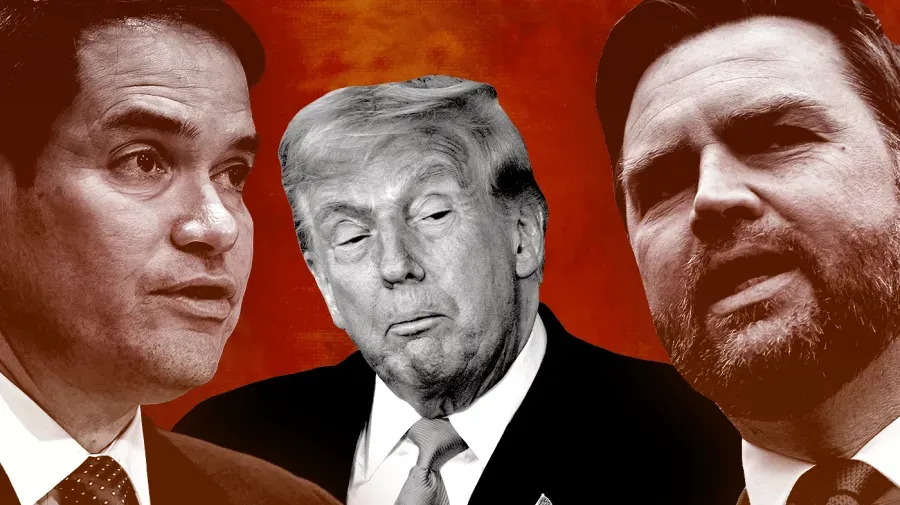
Marco Rubio's standing inside Trump's orbit appears stronger as foreign policy reshapes the administration's internal hierarchy. The signal became hard to miss after public praise for Rubio drew attention away from other senior figures and invited new speculation about who has the president's ear. On March 12, 2026, the story was less about a formal title change than about the politics of visibility inside a power structure built around personal confidence.
Marco Rubio's standing inside Trump's orbit appears to be rising at a moment when foreign policy is shaping the administration's internal hierarchy.
Praise Becomes Power
In many administrations, influence is measured through memos, meetings and statutory authority. In Trump's circle, public praise can carry a different kind of force. That is why Marco Rubio elevation matters. A favorable public signal can affect how agencies, allies, donors and rivals interpret a leader's real standing. Rubio's role is especially sensitive because foreign policy is no longer a background portfolio. The Iran conflict and wider Middle East pressure have made diplomacy central to the administration's credibility.
Vance Faces a Visibility Problem
JD Vance remains the vice president, but formal rank does not always guarantee political centrality. If Rubio appears to receive more public trust on the dominant issue of the moment, the internal optics shift. That does not mean Vance has lost influence. It does mean he must manage the perception that another figure is becoming the administration's preferred interpreter of crisis policy. Vice presidents often face this challenge when cabinet members become crisis managers. The difference here is that Trump's praise can turn a temporary assignment into a broader status marker.
Foreign Policy Sets the Hierarchy
Rubio's advantage, if it holds, comes from being useful in a high-pressure arena. Diplomatic messaging, alliance management and public defense of strategy all matter when conflict risk is elevated. The president may value Rubio's ability to translate hardline policy into institutional language that reassures partners while satisfying domestic supporters. That balance is difficult. If the war debate worsens, the same visibility that helps Rubio could expose him to blame.
Succession Politics Lurk Beneath
Any sign of hierarchy inside Trump's inner circle invites speculation about the future. Donors, activists and lawmakers watch these signals because they shape who looks like a plausible next leader. Rubio has a long national profile, while Vance has cultivated a different base inside the populist right. Their competition does not need to be open to affect behavior around them. Staff members and outside allies may begin adjusting to the person they believe has more immediate access. That is how informal power becomes self-reinforcing.
Public Praise Becomes a Power Signal
The story is not that Rubio has won a secret contest. It is that Trump's visible preference can change the assumptions under which everyone else operates. If the praise continues, Rubio's influence will look less like a moment and more like a pattern.
Rubio's value is that he can defend hardline policy in language that sounds serious to allies while remaining loyal enough for the movement. Vance's challenge is different: he has to protect his connection to the populist base while demonstrating governing weight inside an administration dominated by the president's personal signals.
For now, Rubio's edge is visible enough to matter but not formal enough to settle anything. That is often the most unstable stage of an internal hierarchy. In Trump's orbit, a visible edge can become temporary theater or the beginning of a new order, and insiders rarely know which one they are watching until later.