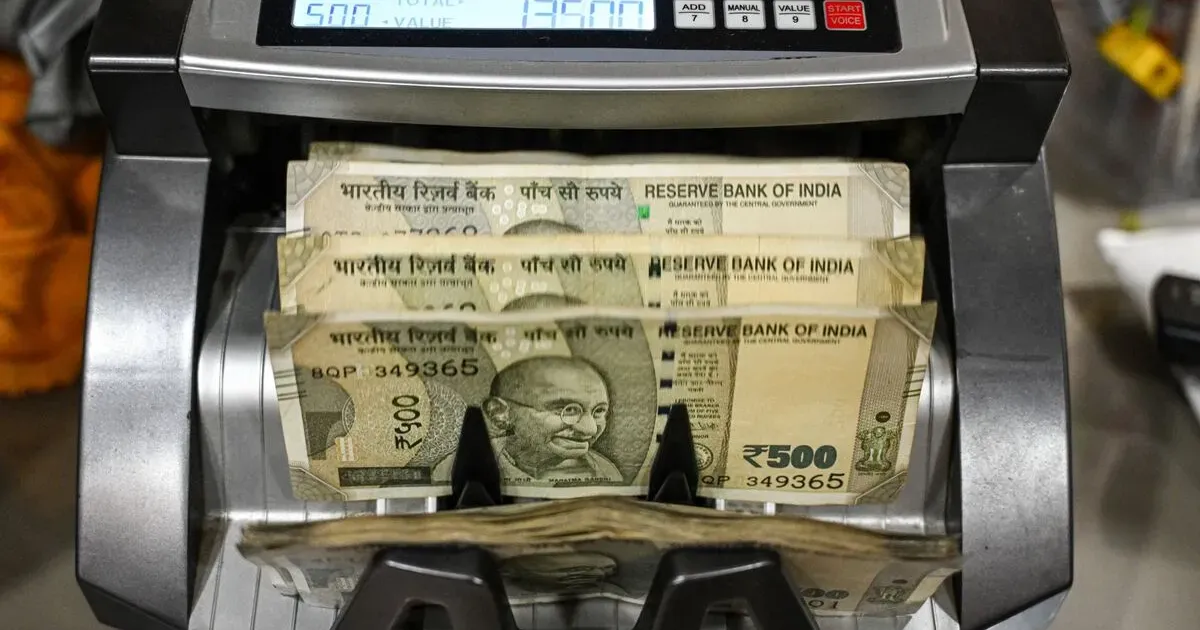
The rupee's rebound after the Reserve Bank of India's position limits looked dramatic because short squeezes are designed to look dramatic. When a crowded trade is forced to unwind, traders who were leaning against the currency have to buy it back quickly. That can produce an abrupt move, a simpler headline and a brief sense that the central bank has regained control.
The decisive question is what remains after the squeeze. The RBI's late-March cap on banks' onshore rupee positions forced desks to cut exposure, and the currency jumped as dollar selling and position unwinds moved through the market. But a forced rally is not the same as a durable improvement in India's external balance.
The Squeeze Changed The Flow
The cap made one-sided rupee positions more expensive to hold and more difficult to carry overnight. That is important because currency weakness can become mechanical when too many traders are paid to expect the next low. If banks and offshore participants all lean in the same direction, depreciation starts to feed on itself. A rule that forces them to reduce risk can break that loop, at least temporarily.
That is the central bank's case. It was not trying to pretend oil prices no longer matter. It was trying to stop a market structure in which speculative pressure could amplify the oil shock. The initial rally showed that the RBI still had tools capable of moving price and psychology at the same time.
Speculation Was Only One Layer
The problem is that the rupee was not falling only because traders disliked it. India had real dollar demand. Importers needed foreign currency for crude, machinery and other goods. Companies with foreign-currency liabilities needed hedges. Portfolio outflows added another pull. Those demands do not disappear because a proprietary trading book is smaller.
"The problem is the pressure on the rupee is not just from speculators."
That warning, made by RBC Capital Markets strategist Abbas Keshvani in the same period, captures the weakness in a pure intervention story. A central bank can squeeze a trade. It cannot squeeze away an import bill. If the Iran-war premium keeps crude expensive, India's current-account pressure keeps feeding the foreign-exchange market from the real economy.
Liquidity Can Be The Hidden Cost
Position limits can calm a disorderly market, but they also change how banks warehouse risk. When dealers have less freedom to hold positions, companies that need hedges may face wider bid-ask spreads or less flexible pricing. This is important for importers and exporters who are not speculating. They need a market deep enough to function during stress, not a market that looks quiet because risk has been pushed out of sight.
The danger is a cycle of visible control and hidden fragility. A strong rule lifts the rupee. Traders step back. Then real dollar demand returns, liquidity is thinner, and the next move becomes sharper because fewer participants are willing to absorb it. That is not inevitable, but it is the tradeoff the RBI has to manage.
The Rebound Bought Time
The right defense of the rupee is narrower than political language usually suggests. The RBI can prevent panic, slow speculative momentum and reduce the sense that the exchange rate is a one-way bet. It cannot promise a fixed value while energy prices, portfolio flows and the trade deficit are moving against the currency.
The short squeeze is therefore valuable but limited. If oil cools and foreign inflows stabilize, the RBI's move will look well timed because it bought a bridge across a dangerous week. If crude stays high and dollar demand keeps rising, the cap will look like a barricade placed in front of a wider current. The rupee's weakness is not just a trading story. It is India's external bill written into an exchange rate.