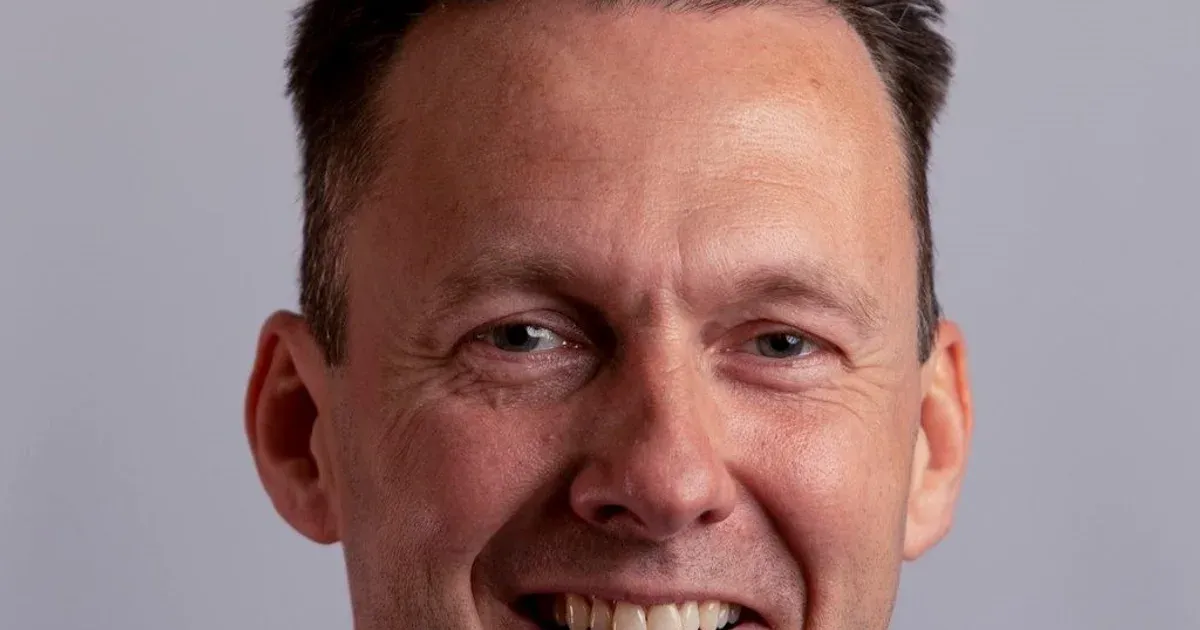
Russell Findlay's tax-relief pledge gives the Scottish Conservatives a clear campaign message, but it also sets up the party's main test. Voters may welcome lower taxes, yet they will still ask what services or spending plans would change. Findlay is framing the offer around household pressure, business confidence and a claim that Scotland needs a more competitive tax system. On April 8, 2026, the manifesto push sharpened the party's economic argument.
Fiscal Divergence and the Scottish Economy
Economic performance in Scotland has lagged behind the UK average in several key sectors, according to recent data from the Office for National Statistics. Russell Findlay has frequently linked this stagnation to the divergent tax policy pursued by the SNP and their Green Party allies. Business leaders in the retail and hospitality sectors have expressed concern that higher personal taxes make it difficult to recruit talent from outside Scotland. While the SNP argues that higher taxes fund a more generous social safety net, including free university tuition and prescriptions, the Tories argue these benefits are being eroded by mismanagement. The ongoing political shifts in Holyrood have also seen significant changes within the Scottish Green Party.
Estimates suggest that the tax gap currently costs a Scottish worker earning £50,000 approximately £1,500 more per year than their English counterpart.
Russell Findlay Strategy and Party Identity
Transitioning from a career in investigative journalism to party leadership, Russell Findlay has brought a more confrontational style to the Scottish Conservative front bench. His predecessor, Douglas Ross, often struggled to balance his duties at Westminster with his role in Edinburgh. By contrast, Findlay has focused exclusively on Scottish domestic issues, attempting to decouple the local party brand from the fluctuations of the national Conservative organization in London. Many political analysts believe this localized focus is essential for survival in a political climate where the constitutional question of independence still looms large. Despite the party's stance on the Union, the manifesto leans heavily into the idea of using the powers of devolution to create a competitive advantage for Scotland.
Internal polling suggests that the message of tax relief connects particularly well in the former industrial heartlands and the affluent suburbs of the northeast. These areas have seen a decline in traditional sectors and are looking for a clear economic alternative. Russell Findlay has spent the last month touring these regions, emphasizing that his party is the only one offering a total break from the consensus of the last twenty years. Because the Labour Party has refused to rule out further tax rises, the Conservatives see a narrow path to regaining their status as the primary opposition.
“For too long, the Scottish National Party has used the hard-working people of this country as a personal ATM to fund their failing projects, and we will put an end to this culture of entitlement,” Findlay said.
Financial analysts at various think tanks have warned that any reduction in tax revenue must be met with corresponding spending cuts or increased borrowing. The Scottish Conservatives have identified several areas for potential savings, including reducing government bureaucracy and simplifying national agencies. Within the manifesto, the party pledges to protect frontline NHS spending while reformulating how back-office functions are managed. Resistance from public-sector unions is expected to be fierce if these plans are implemented. Negotiating these changes would require a level of parliamentary cooperation that has been absent in recent years. The party currently holds 31 seats in the 129-member parliament.
Recent surveys show the gap between the two parties is narrowing as the election date approaches. Success for the Tories will depend on their ability to turn the election into a referendum on the cost of government.
Funding the proposed tax cuts remains the biggest hurdle for the Conservative platform. The manifesto outlines a plan to use the $11 billion in block grant funding more efficiently by cutting what it describes as vanity projects. These include the continued funding for overseas offices and the costly administrative overhead of the controversial National Care Service. Since the Scottish Government cannot print money and has limited borrowing powers for day-to-day spending, every penny cut from taxes must be accounted for in the budget. Independent economists at the University of Strathclyde have noted that the margin for error is extremely thin. Failure to stimulate growth quickly could lead to a sudden contraction in public services.
Voters have expressed growing frustration with wait times in the health service and falling standards in schools. Russell Findlay argues that throwing more money at these problems has not worked under the SNP. He proposes that a more dynamic economy, fueled by lower taxes, will provide a sustainable long-term funding stream for the NHS. By contrast, political opponents claim that the Tory plan is a return to austerity that would devastate local councils. The debate over these two competing visions of Scotland will likely dominate the airwaves until the polls close.
Tax Cuts Need Credible Funding
Tax cuts can be politically powerful when they are simple to explain. They become harder when opponents force the conversation back to budgets, public services and delivery. That is where Findlay's pledge will be tested. The Scottish Conservatives need more than a promise of relief; they need a funding story that survives scrutiny.