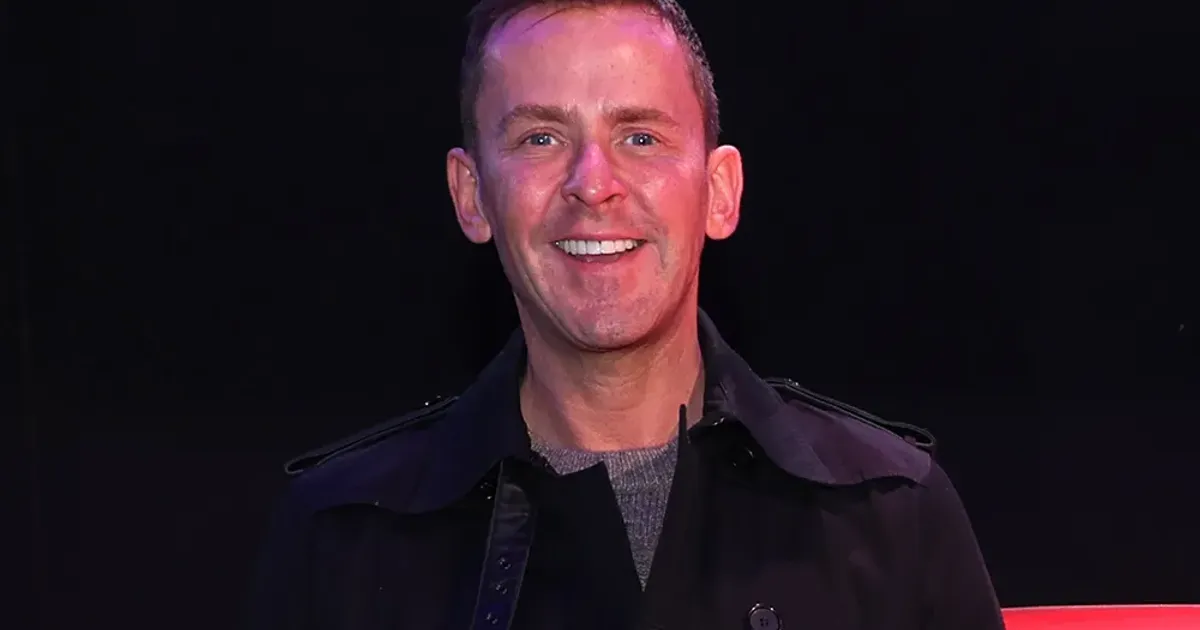
Scott Mills' exit from BBC Radio 2 turned a personnel decision into a public-trust test for the broadcaster. The BBC confirmed in March that Mills was no longer contracted and had left the corporation after allegations about personal conduct, but it gave little public detail. That silence was legally understandable and institutionally costly at the same time.
The case sits in a difficult space for any broadcaster, and especially for the BBC. A public employer must protect confidentiality, employment rights and the interests of people connected to an allegation. A licence-fee broadcaster also has to show the public that high-profile presenters are not protected by popularity, seniority or audience value.
The BBC Kept The Statement Narrow
"We can confirm Scott Mills is no longer contracted and has left the BBC."
That was the core public line. The BBC also said it does not comment on individual matters. The wording limited legal exposure, but it created an information gap around one of Radio 2's most visible slots. When a breakfast-show presenter disappears suddenly, listeners notice before process language has time to settle.
Guardian reporting said the claims were described as relating to a historic relationship, while the BBC itself did not set out the details publicly. The distinction is essential. A responsible account of the case has to separate what the corporation confirmed from what other outlets reported.
Radio 2 Made The Change Visible
Mills had taken over the Radio 2 breakfast show from Zoe Ball in January 2025 and was hosting one of the UK's most listened-to radio programmes. His final sign-off did not prepare listeners for a permanent exit. Gary Davies then appeared in the slot before the public explanation was fully established.
The abrupt sequence made the personnel decision feel final before the public explanation was established. For a commercial station, the issue might be framed mainly as talent management. For the BBC, a sudden change to a flagship programme becomes part of the wider question of governance: who knew what, when was action taken, and whether the standard is consistent.
Speed Can Reassure Or Alarm
The BBC has spent years under pressure over how it handles prominent figures accused of misconduct. Moving quickly can show seriousness. It can also create concern that a process has reached a conclusion before the public can understand the basis for it.
That is the central tension. Moving too slowly can look like protection of a star. Moving too quickly can look like an institution trying to close a crisis before leadership changes or press scrutiny deepen. Saying too much can create legal risk. Saying too little can turn every gap into speculation.
Sara Cox Shifted The Story Forward
The replacement question became part of the trust issue. Gary Davies kept the programme moving in the interim, and later reporting confirmed Sara Cox would take over the Radio 2 breakfast show. The appointment gave the audience a path forward, but it did not erase the process questions around the departure.
Radio is built on habit. A familiar voice becomes part of a morning routine, and listeners often feel a personal connection to presenters they have never met. When that bond is broken without a full explanation, the institution has to stabilize both the schedule and the story around the schedule.
Public Figures Have A Smaller Private Boundary
Modern broadcasting gives presenters less separation between private reputation and professional role. Social media, brand partnerships, podcasts, charity work and cross-platform appearances make the presenter a public asset as well as an employee. That does not mean every private allegation belongs in public view. It means the employer's response becomes part of the brand.
At the BBC, that duty is more exacting because the institution sells more than entertainment. It sells trust. Even Radio 2, which is not a news programme, sits under the same public-service umbrella as the corporation's journalism, education and national-event coverage.
The Test Is Consistency, Not Gossip
The Mills case will be judged less on speculation than on whether the BBC can show a durable standard. If it acted under a clear internal process, limited disclosure may be defensible. If the standard appears selective, silence will not protect the corporation.
A public broadcaster survives controversy by making its rules bigger than any presenter. The issue is whether the same standard applies beyond this case. One slot can be filled. One schedule can recover. Institutional trust is harder to rebuild if audiences and staff believe the rules change according to fame, pressure or timing.