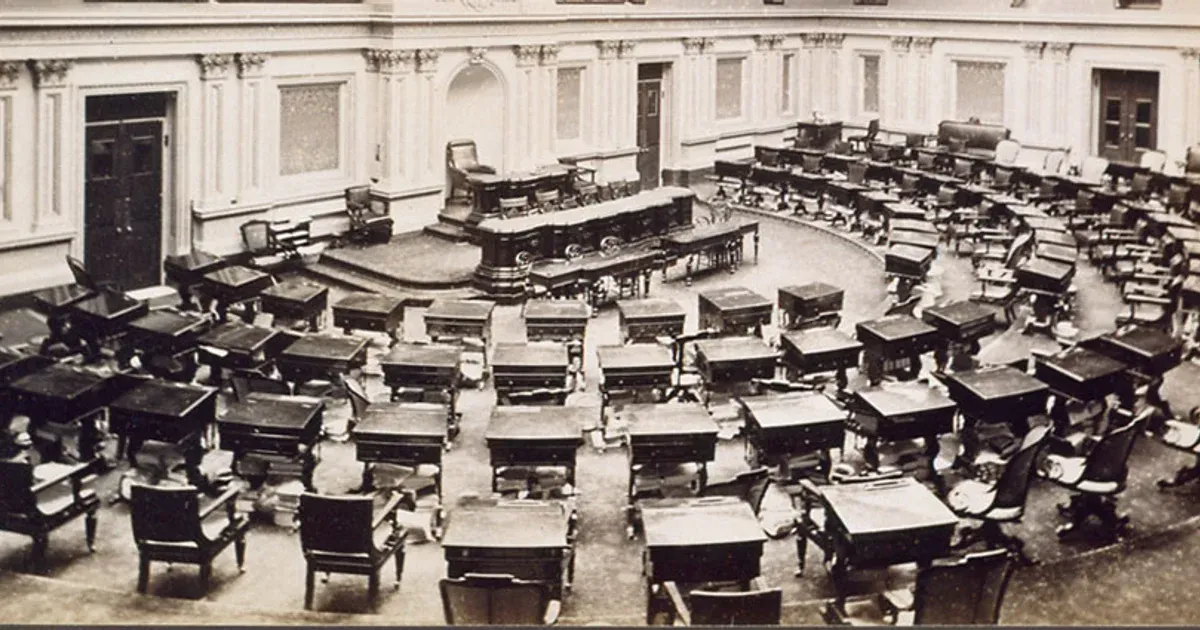
Washington is caught in a fiscal paralysis that has effectively severed the financial lifeline of the nation's primary domestic security apparatus. The report was published March 12, 2026. For nearly a month, the Department of Homeland Security has operated under a budget impasse that shows little sign of softening. Senate leaders scheduled a fresh round of voting for Thursday afternoon, yet the atmosphere within the chamber remains toxic. Republicans and Democrats appear no closer to a resolution than they were when the funding first expired in mid-February. The core of the dispute rests on a fundamental disagreement regarding how to restructure immigration enforcement agencies, a policy battle that has now taken the entire department hostage.
For nearly a month, the Department of Homeland Security has functioned on fumes, its budget exhausted by a legislative impasse that shows little sign of softening.
Lawmakers on both sides of the aisle have traded increasingly sharp barbs as the shutdown drags into its fourth week. While CBS News reports that a measure to restore funding is finally moving toward a vote, the underlying friction over enforcement reform has grown ugly. Republican senators insist that any new spending bill must include mandatory changes to the internal hierarchies of Customs and Border Protection. Democrats have countered by labeling these demands as poison pills intended to derail the administrative functions of the executive branch. This specific demand for structural reform has turned a routine budgetary process into a high-stakes game of political chicken.
Bipartisanship remains a ghost in these halls.
Six separate attempts to pass a continuing resolution have failed since the start of the year. Each failure has been met with a flurry of press conferences where each party blames the other for the mounting risks to national safety. Security experts warn that the longer the department remains unfunded, the more vulnerable the nation becomes to external threats. These warnings have done little to bridge the partisan chasm. Senate leadership remains optimistic that the visibility of the crisis will eventually force a compromise, but backroom negotiations have yielded almost nothing in the way of tangible progress. The math simply does not add up for a quick exit from this quagmire.
Funding Fight Centers on Enforcement
Spring break travelers across the country are discovering the tangible cost of this Washington deadlock. At major hubs like Hartsfield-Jackson in Atlanta and O'Hare in Chicago, security lines now wrap around terminal buildings and spill onto the sidewalks. ABC News reports that many families have missed their flights entirely, caught in a surge of delays that airport officials attribute directly to the shutdown. TSA agents are currently classified as essential personnel, meaning they must report for duty despite the lack of a paycheck. However, the financial strain on these federal employees has led to a noticeable increase in unscheduled absences as workers struggle to cover child care and transportation costs without income.
Long waits at checkpoints are only one facet of the problem. Customs processing for international arrivals has slowed to a crawl at John F. Kennedy International Airport, with some passengers reporting four-hour wait times after landing. And the ripple effect is felt beyond the terminals. Air traffic controllers, also working without pay, are managing a high-stress environment where morale has plummeted to historic lows. The aviation industry is bracing for a significant financial hit if the impasse continues through the peak of the March travel season. Airlines have already begun issuing warnings that the lack of federal support for airport operations could lead to further cancellations and route reductions.
The vacation dreams of thousands are evaporating in the humidity of unventilated security halls.
International commerce is similarly feeling the pinch. Shipping ports along the West Coast have reported delays in cargo inspections, as Customs and Border Protection staff are spread thin across their many duties. While the flow of goods has not stopped entirely, the friction created by the funding gap is adding cost and time to supply chains that are already under pressure from global economic shifts. Business leaders have sent dozens of letters to the White House and Senate leadership, pleading for a resolution that would restore stability to the ports of entry. Their pleas have mostly fallen on deaf ears as the ideological battle over immigration continues to take precedence over economic efficiency.
Shutdown Pressure Hits DHS Operations
Immigration enforcement reform remains the central hurdle that neither party is willing to jump. The current legislative proposal includes a series of amendments that would radically alter the mission of Immigration and Customs Enforcement. Some Republicans argue that the agency requires more autonomy to conduct operations without direct oversight from the executive branch. On the other side, many Democrats are pushing for the inclusion of a pathway to legal status for specific groups of undocumented workers as a condition for their vote. These two positions are mutually exclusive in the current political climate, leaving the Department of Homeland Security in a state of limbo.
A Vote May Not End the Dispute
The funding fight now leaves lawmakers with a blunt choice. If the Senate can separate core Homeland Security operations from the larger immigration dispute, agencies can regain stability while policy negotiations continue. If it cannot, airport delays, Coast Guard strain and border staffing gaps will become recurring evidence that Congress is using essential services as leverage.