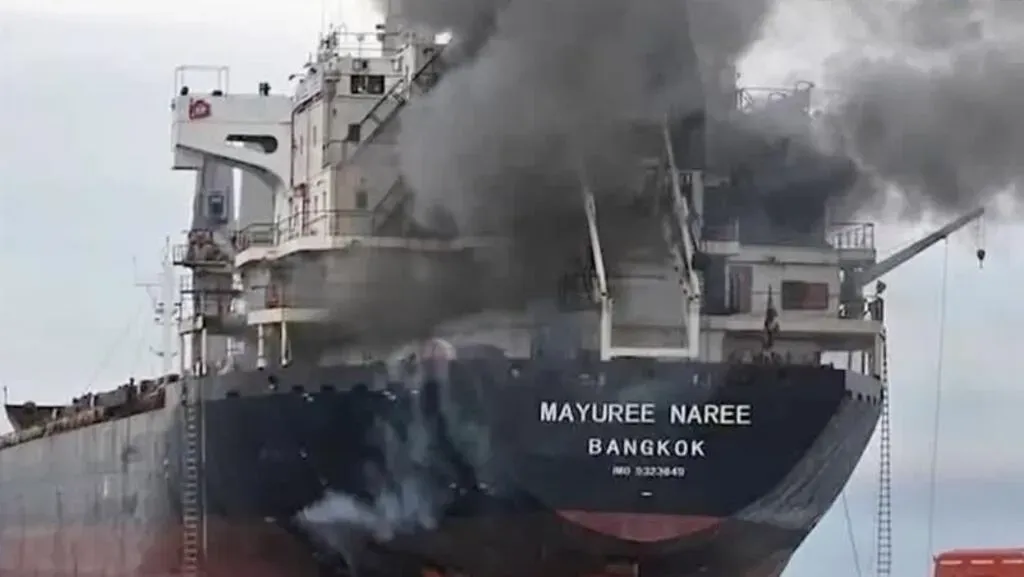
Ship traffic through the Strait of Hormuz fell by 97 percent as attacks on vessels and reports of mines made the waterway too dangerous for most commercial operators. By March 11, 2026, the disruption had turned a narrow shipping route into a major risk for energy markets and maritime trade.
Traffic Through Hormuz Falls 97 Percent
Maritime security reports from the Persian Gulf said three cargo vessels were struck on March 11, bringing the number of ships hit since the conflict began to 14. The reports did not establish who was responsible for each strike, and Iran had not claimed those specific incidents. The cumulative effect was clear: shipowners were keeping vessels away from the Strait of Hormuz, and traffic through the passage had fallen 97 percent from its earlier level.
The strait links the Persian Gulf with the Gulf of Oman and carries a large share of the oil and liquefied natural gas exported by Gulf producers. A disruption there reaches beyond the ships waiting to transit. Export terminals, refiners, traders and buyers all have to make decisions without knowing when regular passage will resume or what risks a voyage will carry.
Maritime traffic through the Strait of Hormuz had nearly vanished as vessel strikes and mine reports raised the danger to commercial shipping.
Mine Reports Change the Calculation for Shipowners
Reports that mines had been laid in parts of the strait added a different kind of threat. A missile or drone attack may be traced to a particular time and location. A mine can remain in the water after the immediate fighting has moved elsewhere, forcing naval authorities to survey and clear a route before commercial operators can be confident that it is usable.
That uncertainty matters even when no formal closure order exists. A tanker owner must consider the lives of the crew, the value of the vessel and cargo, possible pollution from a strike and whether insurance remains available. One damaged ship can be enough to keep many others at anchor. The 97 percent traffic decline therefore reflects both the attacks that occurred and the risk of attacks or mines that crews could not see in advance.
Energy Markets Price a Physical Supply Risk
Oil prices became more volatile as traders assessed how much Gulf production could reach buyers if the disruption continued. Producers may have alternative pipelines or ports for part of their output, but those routes cannot immediately replace all the capacity normally carried through Hormuz. The pressure is especially acute for Asian buyers that receive large volumes of Gulf oil and gas.
The traffic data do not mean that every refinery will run out of crude or that power cuts are inevitable. They do show that the market is facing a physical transport constraint rather than a change driven only by sentiment. The duration of the disruption, the number of vessels able to use alternative routes and the security terms demanded by insurers will determine how far the effect spreads into fuel prices and industrial costs.
Clearing a Safe Route Would Take More Than an Escort
Naval escorts can deter some attacks, but they cannot by themselves certify that a channel is free of mines. Mine-clearing vessels need time to identify hazards, mark safe lanes and work while missile or drone threats may still be present. Commercial traffic is unlikely to recover fully until shipowners and insurers believe those measures have reduced the danger to an acceptable level.
That makes de-escalation and technical clearance part of the same problem. A military move that widens the conflict could expose more ships and mine-clearing crews, while a diplomatic statement without a verified route would give operators little practical reassurance. Restoring traffic requires a passage that can be inspected, used and insured.
The 97 Percent Drop Exposes a Structural Dependence
A 97 percent fall in traffic shows how quickly mines, vessel strikes and uncertainty can deter commercial operators even without a conventional blockade across every mile of water. The immediate test for governments is operational: whether they can restore safe passage for civilian and energy traffic while preventing further attacks.
The disruption also exposes the limits of years of discussion about diversified energy supply. A large volume of oil and gas still depends on one narrow route with limited short-term alternatives. That dependence gives any sustained threat in Hormuz economic consequences far beyond the countries fighting around it.
The traffic collapse supports a hard conclusion about vulnerability, but it does not prove that an overwhelming maritime intervention would succeed or that escalation is the only answer. The defensible measure of any response is whether it reduces the danger, clears a verifiable route and gets commercial ships moving again without turning maritime security into a wider war.