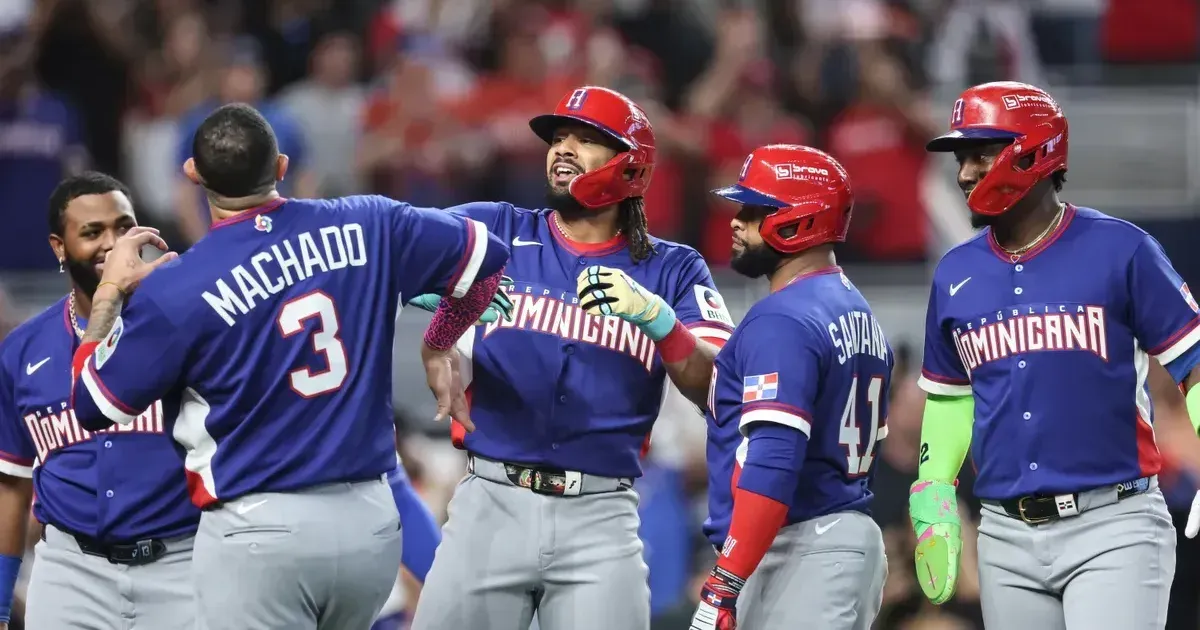
Miami Quarterfinal Tests Korea’s Pitching Plan
LoanDepot Park in Miami serves as the primary battleground for the 2026 World Baseball Classic knockout stage. Crowds have converged on the Florida venue to witness a quarterfinal clash between the undefeated Dominican Republic and a resilient South Korean squad. The public timeline reached this point on March 13, 2026.
Action begins tonight at 6:30 p.m. ET. The atmosphere inside the stadium reflects the massive immigrant populations from both nations residing in the South Florida corridor. While the Dominican Republic cruised through the opening round with a perfect 4-0 record, South Korea arrived in Miami after a grueling journey through Pool C.
The outcome of this single-elimination game determines who advances to the semi-final round and who faces a four-year wait for redemption. Tickets for the event reached record prices on secondary markets within hours of the bracket being finalized.
Dominican hitters entered the tournament with a reputation for power that few pitching rotations can neutralize. Managerial decisions will likely center on how to contain a Dominican lineup that features some of the most expensive talent in professional baseball. The Dominican Republic secured the top seed in Pool D by dismantling high-caliber opponents, including a decisive victory over a heavily favored Venezuelan team.
Their offensive production remains the highest in the 2026 tournament, averaging nearly seven runs per game. South Korea must rely on tactical precision and a deep bullpen to counter this aggressive scoring threat. Late-game management will matter because both teams can force uncomfortable matchups. South Korea needs clean innings from middle relief, while the Dominican Republic can turn one mistake into a multi-run swing. The first manager to protect a tired starter may be the one who controls the final third of the game.
Dominican Power Changes the Matchup
The Korean staff finished the group stage with a 2.45 earned run average, though many of those innings came against less formidable hitters than they will face tonight in Miami.
South Korea finished second in Pool C, narrowly escaping elimination during a tense final day of group play. A critical win against Australia provided the necessary tiebreaker to advance over Chinese Taipei. This matchup features two entirely different philosophies of the game, with the Dominican Republic favoring high-velocity pitching and home-run power while the South Koreans prioritize defensive fundamentalism and contact hitting.
South Korean fans remember the 2009 tournament vividly, where their team reached the finals, and the current roster carries the burden of returning the nation to that former glory. Historical data shows that South Korea performs better as the underdog, often frustrating more aggressive teams with patient at-bats and late-inning small ball. International broadcasting rights remain a source of frustration for fans who want to watch the game without a cable subscription. Viewers in the United States and United Kingdom often find themselves locked behind paywalls that require monthly commitments. However, specific regions offer free-to-air coverage that fans can access through digital tools. Tele Rebelde in Cuba and Venevision in Venezuela provide live streams of every knockout game at no cost to their local audiences. These platforms utilize geographic restrictions to ensure only residents within their borders can access the content. Such digital barriers are common in sports licensing agreements, as regional broadcasters pay significant sums for exclusive rights within their territories.
For Korea, the safest route is not a shutout fantasy but traffic control. Limiting walks, avoiding middle-middle fastballs and forcing the Dominican hitters to string together singles would keep the game within reach. For the Dominican side, the pressure is different: a roster built on power has to show patience if Korea refuses to give it predictable counts. One early mistake could change the bracket, but one disciplined bullpen sequence could do the same. Miami also changes the atmosphere because the Dominican crowd can turn a neutral-site game into something closer to a home setting. Korea’s pitchers therefore need tempo as much as command, especially if the first inning brings traffic and noise.
The matchup also depends on how quickly managers react. A quarterfinal does not reward patience with a struggling starter, especially against a lineup capable of changing the score with one swing. Korea’s staff has to plan for aggressive bullpen use, while the Dominican bench can force matchup decisions by stacking right-handed power and pressuring every mistake in the zone. Situational hitting may decide whether that pressure becomes runs. If Korea can move runners and avoid empty at-bats, it can shorten the game and keep the Dominican lineup from dictating tempo. If the Dominican Republic scores first, Korea’s bench decisions become much harder because chasing power with small-ball tactics leaves little room for error. The first trip through the order should reveal whether Korea can live on the edges or whether the Dominican hitters are seeing the ball early. Defense also matters in this kind of matchup, because one extra base can decide how quickly the bullpen door opens. In a knockout game, clean innings are tactical currency. That makes the first defensive mistake as dangerous as the first home run, especially late.
Defense is another pressure point. A quarterfinal often turns on the extra base that changes a bunt, sacrifice fly or bullpen choice. If Korea keeps the game low-scoring, those margins become more important than the names on the lineup card.