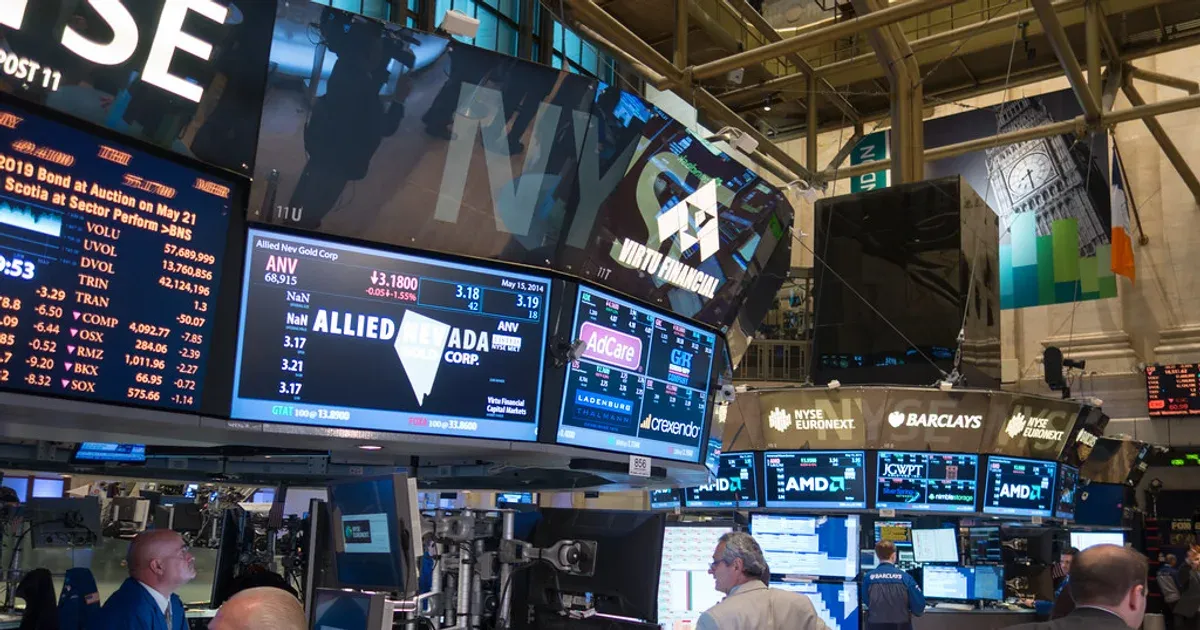
Speculative fever in markets is easiest to recognize when weak companies start trading like scarce assets. That is what makes the current demand for unprofitable company stocks so dangerous. The rally may have winners. It also has the classic shape of investors deciding that discipline is for someone else. By March 11, 2026, the appetite for risk had moved beyond optimism and into a test of whether fundamentals still matter.
Why Bad Balance Sheets Rally
Unprofitable companies can surge when investors believe rates will fall, financing will reopen or a turnaround story will arrive before cash runs out. Short interest can add fuel. If bearish investors are forced to cover, the stock can rise for technical reasons that have little to do with business quality. That does not make every rally irrational. It does mean price action can hide balance sheet risk until the market mood turns.
Liquidity Can Imitate Confidence
Easy money often looks like conviction while it lasts. Traders call it opportunity; executives call it market validation; late buyers call it momentum. The harsher truth is that liquidity can make fragile firms look healthier without changing their underlying economics. A company that loses money still needs cash, refinancing access and a credible path to profit.
That point is easy to ignore during a rally because rising prices create the impression that financing will always be available. It will not. The weakest firms usually discover the limit only when lenders, suppliers and shareholders all become cautious at the same time.
The Investor Trap
The trap is not buying risk. Risk can be rational when it is priced honestly. The trap is buying a poor business because the chart is rising and then pretending the move proves the thesis. When the reversal comes, the weakest holders usually discover that they owned a story, not a balance sheet.
The Cycle Is Familiar
The severe conclusion is that speculative markets punish memory loss. Investors do not need to avoid every unprofitable company. They do need to separate real improvement from crowd behavior. If the only argument for a stock is that someone else may pay more next week, the trade is not investing. It is timing a stampede and hoping to leave before the doors narrow.
The current rally also tests how investors read interest-rate expectations. If traders believe money will become cheaper, they may give cash-burning companies more time to refinance. That can be rational in selected cases, but it becomes dangerous when every weak balance sheet is treated as a turnaround waiting for lower rates.
Management teams often use these moments to raise capital, which can be smart. The question is whether new money funds a credible path to profit or merely extends the life of a business model that has not worked. Shareholders should welcome survival financing only when it buys progress, not another round of promises.
The retail investor layer makes the cycle sharper. Message boards, short clips and brokerage alerts can turn a weak company into a temporary identity. Once that happens, warnings about cash burn may be dismissed as hostility rather than analysis, which is how a trade becomes a loyalty test.
What Serious Investors Should Ask
Serious investors should ask whether revenue quality, financing access and operating leverage support the price, not whether the stock has become fashionable.