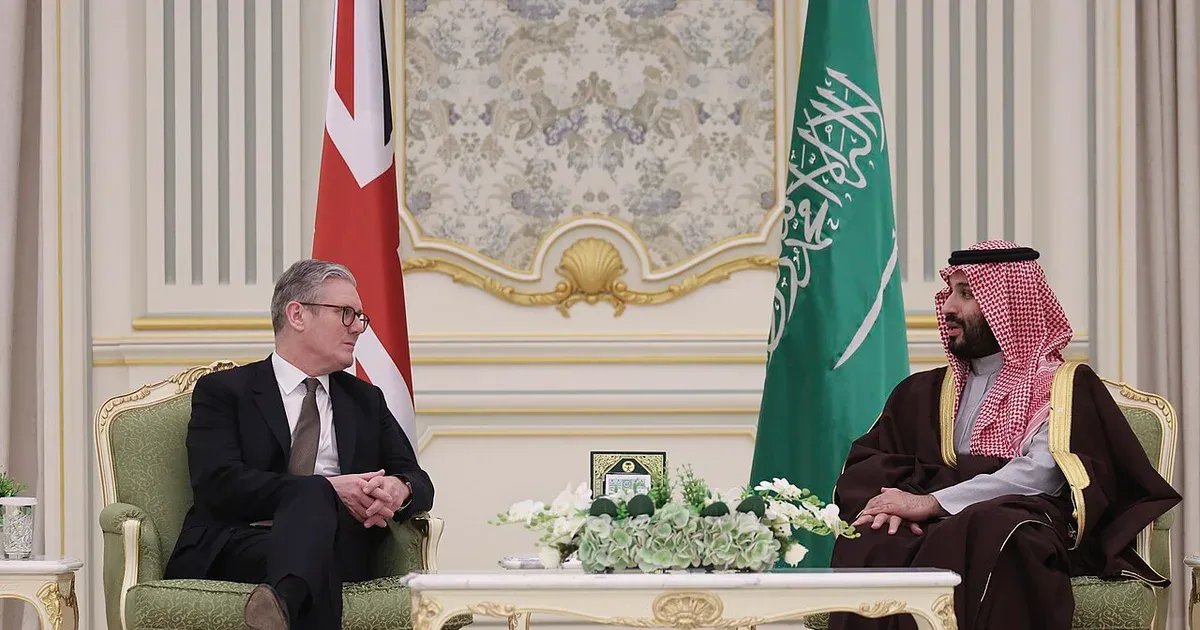
Keir Starmer traveled to Doha to keep a fragile U.S.-Iran ceasefire from collapsing into another round of maritime confrontation. The truce has reduced open fire but has not restored normal shipping through the Strait of Hormuz. The diplomatic opening remains narrow. British officials said on April 10, 2026, that the prime minister would use meetings in Qatar to push for verification, shipping guarantees and a more practical sequence of concessions.
The challenge is that the agreement exists on paper while risk remains visible at sea. Tanker traffic is still below normal levels, insurance premiums remain high and both Washington and Tehran accuse each other of violating the spirit of the ceasefire.
Doha Talks Focus on Verification
Keir Starmer is expected to support a multinational observer mechanism that could monitor maritime behavior without handing either side a symbolic defeat. The proposal is difficult because Iran is unlikely to accept a Western-led naval presence near its waters, while the United States wants guarantees before easing pressure.
"The situation remains very fragile and requires constant diplomatic maintenance," Starmer told reporters after arriving in Qatar.
Qatar's role is useful because it can speak to multiple sides without the same baggage as Washington or London. Even so, mediation cannot work if the main parties benefit from controlled tension. The United States wants freedom of navigation and sanctions leverage. Iran wants recognition of its regional role and relief from economic pressure.
Shipping Remains the Real Test
The Strait of Hormuz is the practical measure of whether the ceasefire is working. If tankers do not return, energy markets will continue to price the region as unstable. Rerouting around longer paths raises costs for fuel, manufactured goods and food supply chains.
Insurance markets are part of the problem. Underwriters have little reason to lower war-risk surcharges until incidents stop and verification becomes credible. That gives London indirect influence because major maritime insurance decisions pass through its financial system.
Starmer's visit can help if it turns vague promises into operational rules. It will fail if it becomes only a diplomatic photo opportunity. The ceasefire needs procedures that ship owners, naval commanders and insurers all believe. Without that, the waterway will remain technically open but commercially constrained.
The diplomacy also has a domestic British dimension. Starmer can argue that Gulf stability is tied directly to household energy costs, shipping delays and inflation at home. That makes the trip easier to justify to voters who may otherwise see Middle East mediation as distant from daily concerns. The harder task is proving that Britain still has enough leverage to influence a confrontation driven mainly by Washington, Tehran and regional security calculations.
A workable deal would need small steps that can be verified quickly. That could include clearer naval communication channels, published inspection rules, staged insurance reviews and a limited observer presence acceptable to both sides. Grand statements about peace will not move tankers if captains, insurers and cargo owners still expect harassment or sudden escalation. The ceasefire will be judged by shipping behavior, not communiqués.
Iran and the United States also have to manage audiences at home. Tehran cannot look as though it accepted maritime limits under Western pressure, while Washington cannot look as though it rewarded harassment of commercial shipping. That leaves room only for arrangements that each side can describe differently. Technical language may help: verification, sequencing, notification and risk reduction sound less like concession than surrender. Diplomacy in this case may depend on giving both governments enough ambiguity to claim firmness while reducing danger. That is why Doha matters even if it cannot solve the strategic rivalry. A narrow maritime arrangement could lower the chance of an accidental clash and give insurers a basis for reassessment. It would not settle the U.S.-Iran conflict, but it could reopen enough commercial confidence to prevent the ceasefire from becoming a hollow document. The immediate goal is not reconciliation. It is predictability. If commanders know how to communicate, insurers know what risks are declining and shipping firms know which routes are protected, commercial traffic can recover before the larger political dispute is settled. That limited outcome would still be meaningful. Anything less would leave the truce exposed to the next patrol boat encounter, disputed inspection or sanctions announcement.