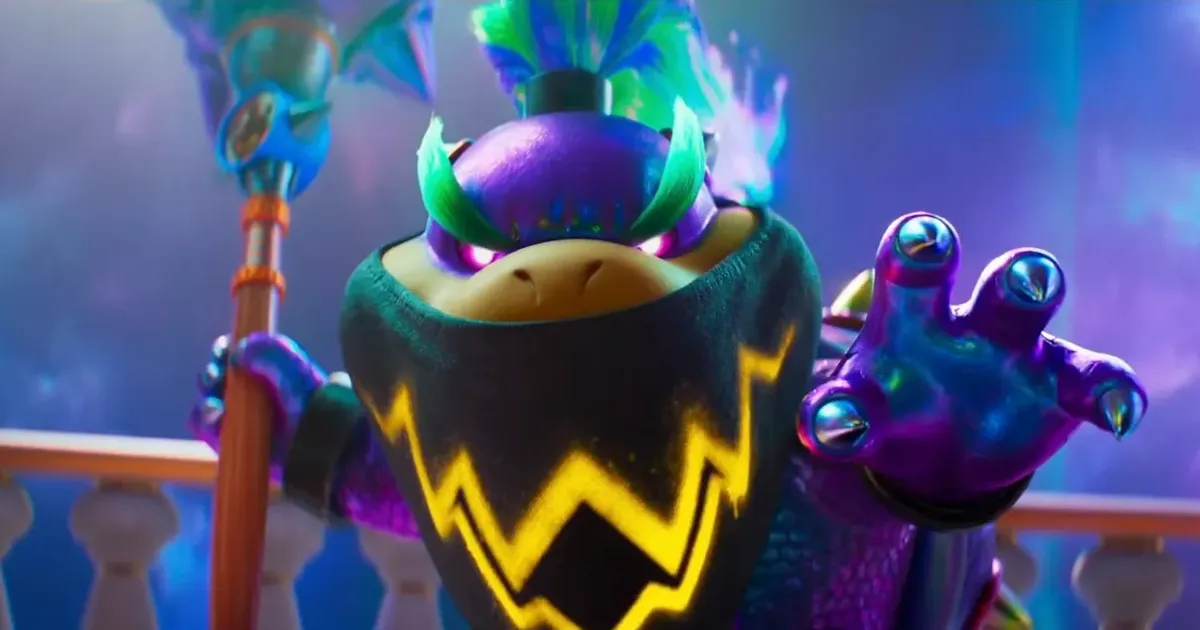
The Super Mario Galaxy Movie did not need critics to agree with fans. That is the clearest lesson from its 2026 run. Reviews often complained about frantic pacing, thin story and a flood of references, but the film still crossed $1 billion worldwide. For Universal, Illumination and Nintendo, the divide was not fatal. It was almost part of the business model.
The sequel gave audiences exactly what many came to see: Mario, Luigi, Peach, Bowser, Yoshi, Rosalina, Lumas, planets, power-ups and a fast tour through Nintendo memory. Critics asked whether the movie worked as a movie. Families and fans often asked whether it felt like Mario at scale. Those are different tests.
Critics Saw Recognition Replacing Story
The common critical complaint was that the film moved like a reference reel. Set pieces, callbacks and character reveals arrived quickly, sometimes before the previous scene had space to breathe. That can make the movie feel generous to a fan and empty to a reviewer.
Mario is difficult to adapt for exactly that reason. The games are built around motion, discovery and mechanical pleasure. A player forgives thin plot because the controller supplies agency. A film removes that agency and has to replace it with timing, character pressure and emotional shape. When the movie leans too hard on recognition, it risks becoming something the audience watches instead of something that pulls them forward.
Fans Rewarded the Ride
The box office showed that many viewers were not looking for literary depth. They wanted color, speed, jokes, music cues and the pleasure of seeing familiar worlds rendered at blockbuster scale. The audience response is not a lesser form of response. It is the response Nintendo designed around.
Families also change the equation. A film that keeps children engaged, gives parents enough nostalgia and avoids boredom can succeed even if critics find it shallow. The CinemaScore-style audience pattern around these movies matters because repeat family viewing and broad international recognition can outweigh review scores.
The Cast Kept the Franchise Loud
The returning voice lineup gave the sequel continuity: Chris Pratt, Anya Taylor-Joy, Charlie Day, Jack Black and Keegan-Michael Key remained the familiar center. New attention came through Donald Glover's Yoshi, Brie Larson's Rosalina and other expansion pieces that made the film feel less like a sequel than a wider Nintendo showcase.
The larger cast helps marketing, but it also creates pressure. The more characters the film introduces, the harder it becomes to give any single relationship enough weight. Voice casting can sell scale; it cannot by itself solve pacing. The sequel's most obvious weakness was that its roster sometimes felt bigger than its story engine.
The Billion-Dollar Result Changes the Lesson
If the movie had underperformed, the critical complaint would have become a warning sign. Because it crossed $1 billion, the complaint becomes more complicated. Nintendo can point to audience demand and argue that the formula works. Critics can point to the same number and worry that the formula no longer needs to improve.
Commercial success creates the tension of modern franchise animation. A movie can be commercially correct and creatively thin at the same time. The market rewards the familiarity, then the studio has to decide whether to reinvest that reward in better storytelling or simply load the next film with more icons.
Nintendo Still Has to Protect the Library
The danger for Nintendo is not immediate failure. It is erosion. A brand can survive one movie that feels too busy. It can even thrive on it. But if every adaptation becomes a speedrun through references, the film universe will grow louder without becoming richer.
The box-office result shows that Super Mario Galaxy proved Nintendo's screen power, not Nintendo's immunity. Recognition can carry a movie a long way, and in this case it carried it past a billion dollars. But recognition is a front-loaded asset. The next films need shape, patience and characters who matter after the Easter eggs are counted. Otherwise the audience will eventually notice that the ride has no handrail.