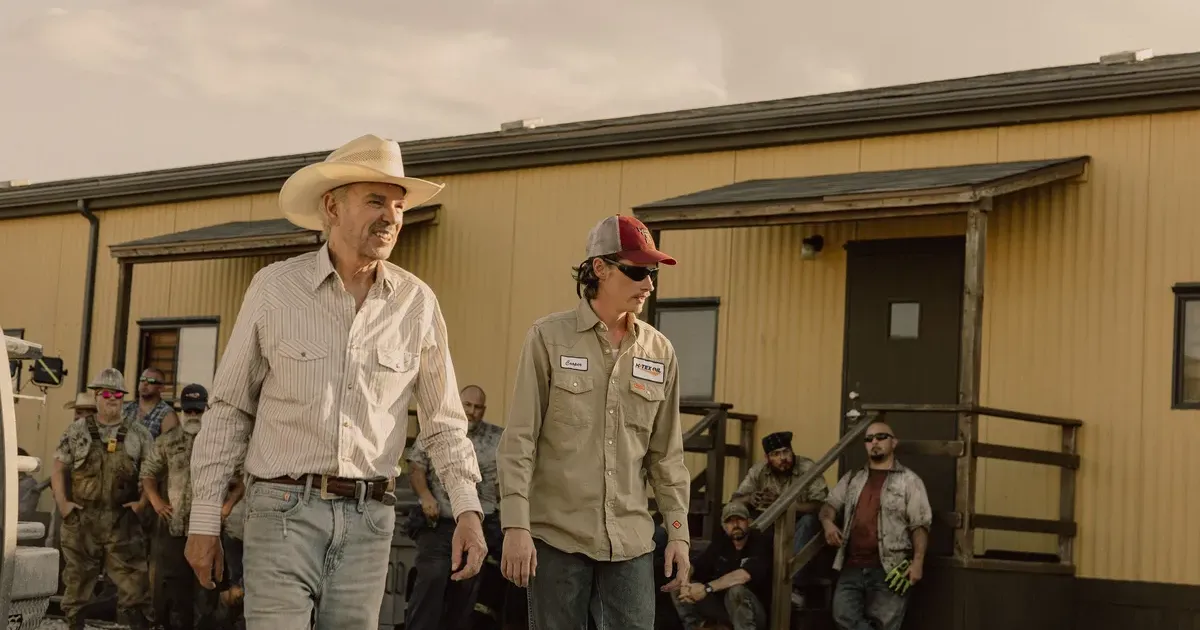
Taylor Sheridan's television empire is not just a collection of Western dramas. It is a programming strategy built around one creator, one recognizable world and an audience that streaming rivals often under-served. For streaming platforms, the bigger question is whether one franchise world can keep expanding. The March 29, 2026, account framed Sheridan's rise as a shift in how Paramount built identity around rugged, rural storytelling.
Yellowstone made that strategy visible. The show turned the Dutton family into appointment television, then gave Paramount a way to extend the brand through prequels, spinoffs and related crime or frontier stories. The result is a rare modern TV footprint: a cable hit that also feeds a streaming universe.
Yellowstone Proved the Audience
Yellowstone's success came from treating land, family power and regional identity as serious drama rather than background texture. Viewers responded to the scale, the conflict and the sense that the show was not embarrassed by its Western roots.
That gave Sheridan unusual leverage. A creator with a large, loyal audience can ask a studio for more shows, longer production commitments and greater control over tone. Paramount accepted that bargain because the results were commercially clear.
The Kevin Costner exit and production delays showed the downside of building so much around one flagship. A universe can be valuable, but it also becomes vulnerable when its central show turns unstable.
Prequels Added Prestige
The prequels 1883 and 1923 helped broaden the project because they were not simple brand extensions. They gave Sheridan room to tell origin stories with historical weight, different casts and a more limited structure. Critics often responded more strongly to the prequels because their arcs felt tighter. A limited-series frame can force discipline that a long-running flagship sometimes loses. Sam Elliott, Harrison Ford and Helen Mirren also gave the universe prestige casting that reached beyond Yellowstone fans.
That blend of popularity and prestige is what studios want from streaming franchises.
Creative Control Is the Risk
Sheridan's vertical control, including ranch settings, horses and production infrastructure, gives his shows visual consistency. It also raises a familiar question: how much can one creator supervise before quality becomes uneven? The strongest parts of his work feel specific, physical and lived-in. The weaker risk is repetition: powerful men, contested land, blunt dialogue and violence treated as destiny. A brand can become a formula if it is not challenged.
The editorial read is that Sheridan changed the streaming conversation by proving that Western-coded television could be central rather than niche. The next measure is whether the empire can evolve without losing the audience that made it valuable. Paramount's dependence on that world is both an asset and a vulnerability. A studio can benefit when viewers know what a Sheridan show feels like before they press play, but brand clarity can become creative narrowing. Future projects will need to prove that the formula can stretch across new characters, places and conflicts without asking the audience to watch the same power struggle in a different hat.
The business model is also tied to audience geography. Sheridan's shows speak to viewers who may not see themselves in coastal workplace comedies, superhero universes or prestige dramas built around urban institutions. That does not make the shows apolitical; it makes them culturally targeted in a way streaming companies can measure. Paramount benefits when that audience sees the platform as the home for a specific sensibility. The same viewers who arrive for Yellowstone may sample 1883, 1923 or other Sheridan-adjacent dramas because the brand promise is already clear: land, loyalty, violence, family and a suspicion of distant power.
The challenge is renewal. A television universe can expand quickly, but the audience eventually asks whether each new title adds a fresh emotional reason to watch. Sheridan's next phase depends on making the world feel larger rather than merely busier. The casting strategy has been just as important as the setting. Sheridan's projects often place recognizable actors into severe landscapes, asking viewers to connect star power with a harsher moral universe. That helps the shows travel beyond traditional Western audiences.
There is a production lesson here for streaming executives. Not every franchise needs superheroes, fantasy lore or true-crime hooks. A platform can build scale around tone if the tone is distinct enough and if the audience believes the creator understands the world being portrayed. The question for Paramount is whether that clarity can survive industry change. Streaming economics are tighter now, and expensive creator-led universes have to justify their budgets with retention, licensing value and cultural presence. Sheridan has delivered all three at different moments. Maintaining that balance will be harder as audiences become more selective and franchise fatigue spreads across television. That selectivity will test whether Sheridan's shows remain events or become inventory. The difference will depend on character, not only branding.
Viewers will follow a familiar world only if the next story feels necessary, not merely available.