Colorado legislators and consumer advocates convened to address a coordinated effort by hardware manufacturers to weaken state consumer protections. Local activists warn that global technology firms are deploying sophisticated lobbying tactics to dismantle the nation's most complete repair legislation. The April 5, 2026 debate put those protections under renewed pressure. These maneuvers aim to restore corporate control over the maintenance of essential machinery and personal electronics. Corporate legal teams have identified Colorado as a critical battleground that could dictate the future of ownership in the digital age.
Voters in 2022 began a series of legislative victories that expanded the rights of residents to fix their own property. Initial efforts focused on powered wheelchairs, where users faced months of delays for simple repairs due to manufacturer monopolies on proprietary parts. Subsequent bills expanded these protections to include complex agricultural machinery and consumer handheld devices. This legislative sequence transformed Colorado into a testing ground for the national right-to-repair movement. National advocacy groups now view the state as the gold standard for consumer autonomy.
Colorado Legislative Record and Repair Scope
State lawmakers successfully passed three separate bills between 2022 and 2025 to curb unfair repair restrictions. Each measure required manufacturers to provide the same diagnostic tools and manuals to independent shops as they do to authorized dealers. Proponents argue that open access to information lowers costs for rural farmers and urban families. Danny Katz, executive director of CoPIRG, noted that the state now leads the nation in repair accessibility. Critics, however, claim that these laws invite security vulnerabilities into proprietary software systems.
Agricultural equipment became a focal point when farmers discovered they could not clear software errors without an authorized technician. Some growers in the eastern plains reported waiting 48 hours for a technician to arrive during peak harvest windows. Lost productivity from these delays cost the local economy an estimated $12 million annually. Statutory changes forced manufacturers to release diagnostic software to independent mechanics. Compliance has been inconsistent across the industry.
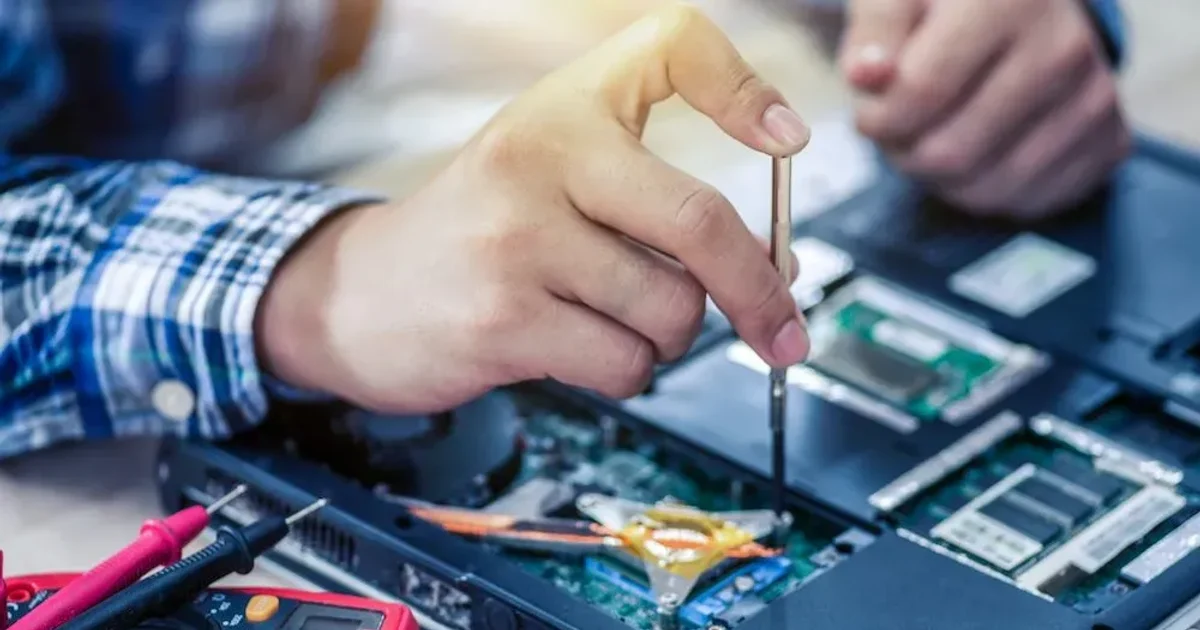
Consumer electronics represent the largest volume of repair requests handled under the new framework. Colorado residents now have the legal right to purchase genuine batteries and screens directly from the original equipment manufacturers. Before the 2022 reforms, many companies restricted these parts to a narrow network of high-priced service centers. Repair costs for common smartphone damage dropped by 20% in the first year of the mandate. Independent repair shops grew in number by 15% across the Denver metropolitan area.
Parts Pairing and Software Barriers
Hardware manufacturers have pivoted to digital obstacles known as parts pairing to bypass the physical requirements of the law. This practice involves linking individual components to a device motherboard via unique serial numbers encrypted in software. If a technician replaces a broken screen with a genuine part from another device, the software may disable features like biometric sensors or camera functionality. Manufacturers argue this ensures the integrity of the device. Advocates describe it as a digital padlock that violates the spirit of the 2022 statutes.
Software locks effectively neuter the legislative intent by making physical access to parts irrelevant. Even if a consumer possesses the correct tools and hardware, the device remains hobbled until a manufacturer-controlled server authenticates the repair. CoPIRG has documented dozens of instances where firmware updates rendered third-party repairs useless. Legislative updates in 2026 aim to ban parts pairing specifically to address this loophole. Industry groups have spent $4 million in lobbying to prevent these updates from reaching the floor.
Digital security concerns serve as the main defense for companies maintaining these software gates. Representatives from the consumer technology sector testified that open access to firmware could allow hackers to bypass encryption. They argue that authorized repair channels protect user data from malicious actors. Consumer groups counter that security is often used as a pretext for revenue protection. Documented cases of independent shops compromising device security are statistically rare.
Colorado Repair Fight Tests Device Ownership
The Colorado repair fight is about whether ownership includes practical control over a device. Parts access matters, but software locks can still decide whether a repair right is real or symbolic.