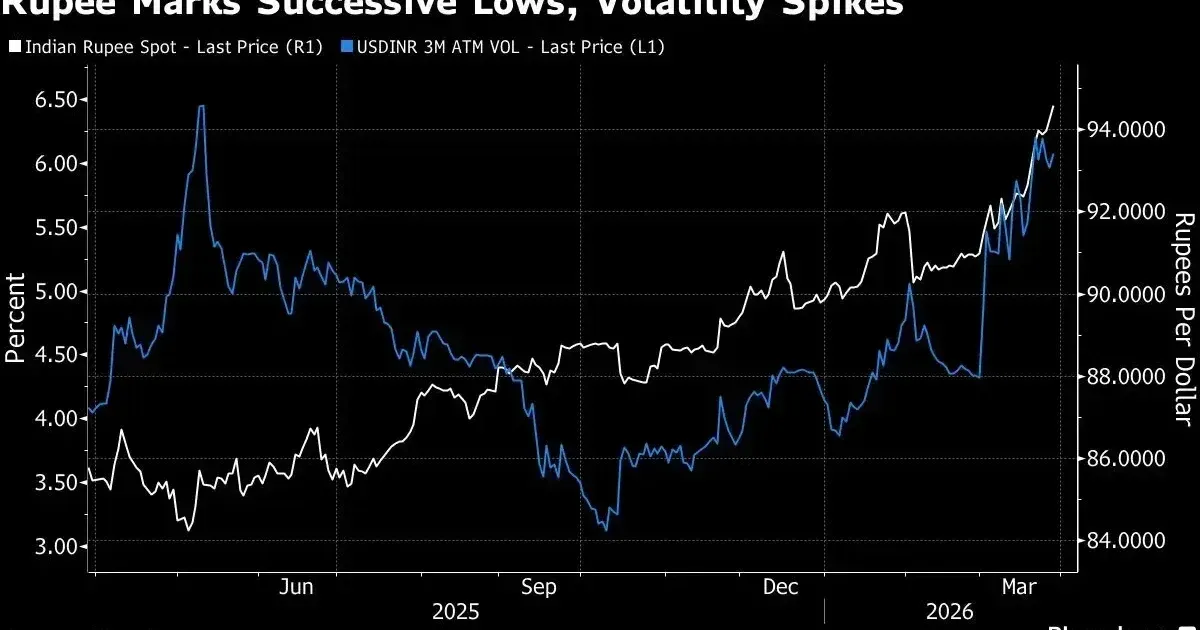
Tehran's closure of the Strait of Hormuz sent oil prices higher and pushed investors to reassess currency, inflation, and growth risks. The shock was felt immediately in energy markets, but the pressure spread quickly to import-heavy economies such as India.
The closure was reported on March 27, 2026, with traders pricing the possibility that a major oil route could remain restricted for weeks. India's rupee weakened as investors focused on the country's crude import bill, while analysts debated whether modern economies can absorb an energy shock better than they did in the 1970s.
Hormuz Closure Hits Physical Supply
A closure of Hormuz is different from ordinary geopolitical noise because it threatens a route that carries a major share of global oil consumption. Even partial disruption can create queues, rerouting, higher insurance premiums, and refinery uncertainty.
Shipping around the Cape of Good Hope adds time and cost. Those costs then move into fuel, freight, and manufactured goods, creating a wider price effect than the crude chart alone shows.
India Feels Currency Pressure
The rupee is sensitive to oil because crude imports require foreign currency. When oil rises, traders expect a wider trade deficit, more inflation, and possible central bank pressure. That combination can accelerate capital outflows.
The domestic impact can be uneven. Lower-income households feel transport and food inflation quickly, while manufacturers face higher power and logistics costs. Currency weakness can then make imported fuel even more expensive.
Resilience Has Limits
Economist Jim Paulsen's point about lower energy intensity is important. Developed economies use less oil per unit of GDP than they did decades ago, and strategic reserves can provide short-term relief.
Still, resilience is not immunity. A blockade lasting beyond a few weeks could overwhelm inventories, damage confidence, and force central banks into difficult choices. The worst case is not a single price spike, but a prolonged period of expensive energy and slowing demand.
The Indian market reaction is a warning for other importers. When oil and the dollar rise together, emerging markets can face a double squeeze: higher import costs and tighter financial conditions. That is why currency stress often appears before a full inflation print confirms the damage. Developed economies have buffers, but they are political as well as technical.
Strategic reserves can ease supply for a period, yet governments may hesitate to use them aggressively if they fear a longer conflict. The market then starts pricing policy uncertainty alongside physical scarcity. The diplomatic track will decide whether the shock remains manageable. If Iran, the United States, China, and Gulf states can create a credible maritime arrangement, prices may retreat.
If the closure becomes a bargaining weapon, businesses will plan for a more expensive and slower trade environment. Corporate planning will become more conservative if the closure persists. Airlines may hedge more fuel, manufacturers may delay shipments, and retailers may build price buffers into contracts. These choices reduce exposure for individual firms but raise costs across the economy. The rupee's move also has political consequences.
Currency weakness can become a household issue when imported fuel, electronics, and food inputs rise. That forces policymakers to defend both the currency and the consumer, often with tools that work against each other. The most important distinction is between a price shock and a logistics shock. A price shock hurts, but businesses can sometimes hedge or pass through costs. A logistics shock disrupts timing, contracts, and physical availability. Hormuz threatens both at once. That is why markets reacted across oil, currencies, freight, and equities. The modern economy may be more energy efficient than before, but it is also highly dependent on predictable delivery schedules. India's policy room is narrower than it looks. Subsidies can soften household pressure, rate decisions can defend the currency, and reserve releases can calm supply fears, but each tool has limits. A prolonged Hormuz disruption would force officials to choose which pain to absorb first. Companies exposed to oil and freight will not wait for a formal recession signal. They will adjust contracts, delay purchases, change routes, and protect cash as soon as volatility looks durable. Those private defensive moves can slow activity before official data catches up. That is why the Hormuz closure matters to equity markets as well as commodity desks. Businesses will also watch whether governments coordinate or compete for supply. A coordinated reserve release could calm prices, while unilateral hoarding would deepen anxiety. The politics of energy security may therefore matter as much as the geology of supply. Coordination is the difference between a managed shock and a scramble. Markets can absorb some energy volatility, but Hormuz is not an ordinary risk point. The longer the closure lasts, the more the story shifts from market panic to real economic drag.