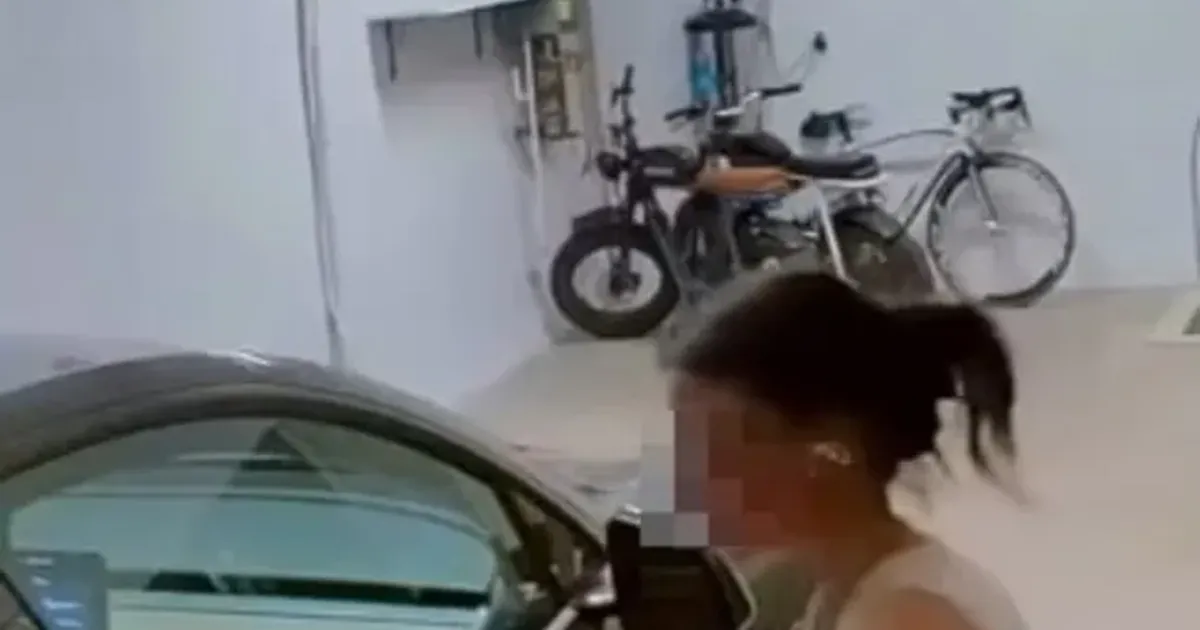
A California Tesla vandalism investigation is turning on Sentry Mode footage from the vehicle's built-in cameras. The case involves damage allegedly caused during a move out of a shared residence after a breakup. The March 29, 2026 report shows how modern vehicle surveillance can turn a private property dispute into a highly documented criminal investigation.
Tesla Sentry Mode Provides Forensic Evidence
Tesla vehicles use a sophisticated array of external cameras to monitor surroundings when parked. Owners activate Sentry Mode to trigger recording when the car detects nearby motion or physical contact. High-tech sensors located in the fenders and pillars provide a 360-degree view that leaves few blind spots for potential vandals. In this specific case, the woman operated in full view of at least three separate lenses. Police investigators frequently rely on these proprietary video formats to identify suspects in parking lot disputes or hit-and-run accidents. Local authorities confirmed that the victim provided the encrypted footage via a mobile application immediately after discovering the scratches. Modern security hardware has fundamentally altered how law enforcement processes reports of vehicle tampering.
Property crimes involving high-end electric cars carry meaningful financial weight. Specialized paint finishes, particularly multi-coat options found on many Tesla models, require expensive blending and refinishing processes. Body shop estimates for deep scratches across several panels often exceed $5,000 in labor and materials. Insurance adjusters note that such damage typically falls under complete coverage, though the policyholder must pay a deductible before repairs begin. This particular incident involved damage to the driver-side door, the rear quarter panel, and the hood. Structural sensors located behind the bumper remained intact, but the aesthetic repair costs pushed the case into the area of a serious offense.
Legal standards in California classify vandalism based on the total dollar amount of the destruction. Damage exceeding $400 often upgrades a misdemeanor charge to a felony. Prosecutors evaluate the intent behind the act and the relationship between the parties when determining whether to seek maximum penalties. Documentation from the vehicle's onboard computer is a silent witness that is difficult for defense attorneys to refute. Records show that the woman had legal access to the driveway during the move, but her authority did not extend to the destruction of private property. Courts frequently view such acts as an extension of domestic harassment or emotional retaliation.
Escalating Costs of High-Tech Vehicle Repairs
Sophisticated hardware integration makes modern EVs more vulnerable to expensive vandalism. Beyond the paint, external cameras and ultrasonic sensors reside just beneath the surface of the plastic trim. A single well-placed kick or strike can disable the Autopilot system or the parking assist features. Repairing these components requires specialized calibration that general automotive shops cannot always perform. Tesla service centers must use proprietary software to ensure the sensors remain accurate within millimeters. A simple act of spite can result in a weeks-long stay at a repair facility. Supply-chain issues for specific body parts sometimes extend these wait times further.
Insurance companies have tracked a rise in deliberate damage incidents involving electric vehicles. Higher resale values for these cars mean that even minor blemishes impact the owner's equity sharply. Actuaries use data from Tesla security logs to assess risk profiles for different urban environments. Some providers now offer lower premiums for drivers who consistently use active surveillance modes. Evidence of tampering allows the victim's insurance company to pursue the perpetrator for reimbursement through a process known as subrogation. Legal experts suggest that the presence of constant recording reduces the likelihood of fraudulent claims. The digital trail created by the vehicle itself acts as a deterrent for some, though it failed to stop the woman in this instance.
Domestic Disputes and Property Damage
Experts in behavioral psychology point to the car as a proxy for the owner's status and identity. Attacking a vehicle provides a sense of catharsis during a split without the immediate physical risk of a face-to-face confrontation. Cars are often the most valuable asset a person owns outside of a home. Damaging the paint or tires is a calculated strike at the victim's mobility and financial stability. Clinical studies on domestic separations show that property destruction is a common precursor to more intense forms of harassment.
The woman’s actions appear to be a manifestation of the emotional volatility common in high-conflict breakups. Behavioral analysts note that the presence of cameras often fails to discourage those in the grip of extreme anger.
Digital footprints play an increasingly central role in family court proceedings. Judges often review video evidence of property damage to assess the temperament of the parties involved. Such footage can influence rulings on restraining orders or the division of shared assets. Lawyers for the victim indicated that the Tesla recording would be used to substantiate claim of a hostile environment. Personal electronics and smart home devices now record the detailed details of domestic life. Information stored on a car's hard drive can be more impactful than verbal testimony. Forensic specialists can verify the time, date, and location of the incident through GPS metadata. The integration of technology into daily life ensures that few private actions remain truly hidden.