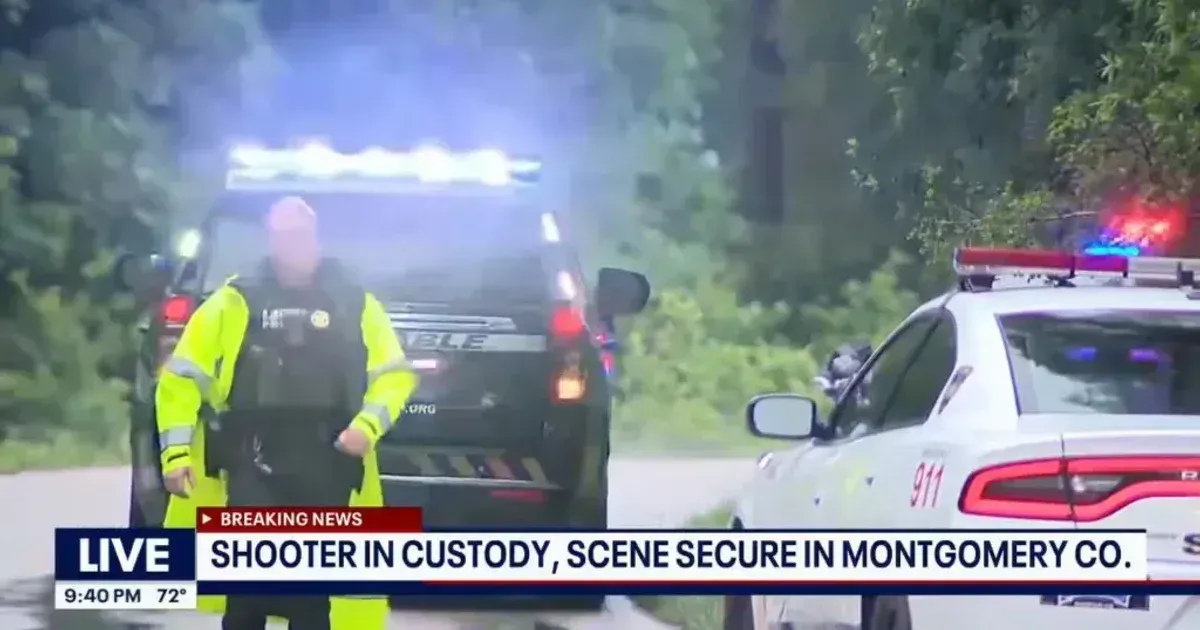
Law enforcement agencies in rural Texas deployed heavy reinforcements on Saturday after a neighbor dispute escalated into a shooting emergency. Residents in Kings Colony faced a lockdown as deputies secured the perimeter and searched for the primary suspect. Records indicate the response began on May 23, 2026, as multiple units coordinated to manage the immediate danger and keep residents inside their homes.
A separate Texas community held a somber graduation ceremony for slain student Austin Metcalf after a stabbing that had shadowed the class for more than a year. The contrast between a current neighborhood threat and a formal remembrance for a past tragedy highlights the persistent challenges facing local public safety. Metcalf was a track and field athlete whose life ended during a championship event, leaving an absence school officials recognized during commencement.
Kings Colony Lockdown and Emergency Response
Crisis negotiators and tactical teams converged on the rural neighborhood on Saturday afternoon following reports of gunfire. Initial investigations suggest a long-running disagreement between two residents reached a breaking point. The transition from a verbal argument to a confrontation involving firearms forced neighbors to seek shelter in basements and interior rooms. Law enforcement established a wide cordon to prevent civilians from entering the line of fire.
Officers methodically cleared the area while searching for the shooter, who had retreated into a wooded section of the property. The rural landscape complicated the search and delayed the lifting of the stay-at-home order. Public safety alerts were broadcast through local mobile networks so residents would remain aware of the ongoing risk. Dispatchers also received calls from concerned family members unable to reach people inside the cordoned zone.
Local law enforcement officials reported that the active response locked down the community for several hours during the standoff. Authorities maintained the perimeter until the situation was stabilized. No fatalities were reported in the immediate aftermath, though the psychological impact on the small community was serious. Investigators spent the evening processing the scene and interviewing witnesses to determine the exact sequence of the dispute.
A Posthumous Honor for Austin Metcalf
Commencement exercises took on a different tone this weekend as Metcalf's twin brother stepped onto the stage to represent a sibling who could not be there. The ceremony honored Austin Metcalf, who was killed in a violent altercation on April 2, 2025. The graduation came more than 13 months after the stabbing took place during a high school track and field championship. The student body sat in silence as the posthumous diploma was presented to the Metcalf family.
The 2025 stabbing occurred in front of numerous witnesses during a high-profile athletic competition. Metcalf was a promising student whose death prompted immediate calls for increased security at regional sporting events. Administrators spent the past year implementing new metal detector protocols and bag checks to prevent a recurrence of such violence. The graduation was a final formal acknowledgment of his contributions to the school community.
Peer groups and teachers wore commemorative ribbons to show solidarity with the Metcalf family. His twin brother accepted the diploma amid a standing ovation from the audience and faculty members. Graduation organizers included a dedicated section in the program detailing Austin's athletic achievements and academic goals. The gesture provided a measure of closure for a class that has spent much of its senior year dealing with the grief of the 2025 incident.
What Local Safety Requires
Patterns of violence in residential and educational settings have prompted a reevaluation of response times in rural jurisdictions. Law enforcement agencies in counties like Liberty and Montgomery have sought additional funding for specialized training. These programs focus on de-escalating neighbor disputes before they reach the level of the Kings Colony incident. Local budgets now prioritize advanced communication tools to better coordinate multi-agency responses.
Educational institutions are making a parallel shift toward proactive conflict resolution. Districts are hiring more specialized counselors to work with student-athletes and attendees at large-scale gatherings. The stabbing of Austin Metcalf remains a primary reference point for these policy changes. Security experts note that rural settings often present logistical hurdles for emergency medical services and police units, especially when incidents unfold far from major transport routes.
Community leaders have emphasized the importance of mental health resources in preventing interpersonal conflicts from escalating. Neighbor disputes that result in armed standoffs often involve underlying stressors that go unaddressed for years. State officials are monitoring the Kings Colony investigation to see whether legislative or administrative changes are needed for households already known to be dispute-prone. The investigation remained ongoing as of May 24, 2026.
The events in Texas this weekend suggest that recovery from trauma is a multi-year process requiring both symbolic gestures and practical security reforms. The graduation ceremony for Austin Metcalf provided a moment of public healing, while the Kings Colony lockdown showed that the causes of community violence remain active. Public safety is therefore not only a matter of police response time; it also involves the long-term management of grief, conflict and local trust.
The presentation of a posthumous diploma more than 13 months after a tragedy indicates that institutions are becoming more deliberate about honoring victims. Moving from mourning to prevention, however, requires sustained work on the conditions that allow neighbor and school-based altercations to intensify. Future policy decisions will likely depend on whether local leaders treat these incidents as isolated events or as warning signs inside a broader rural safety problem.