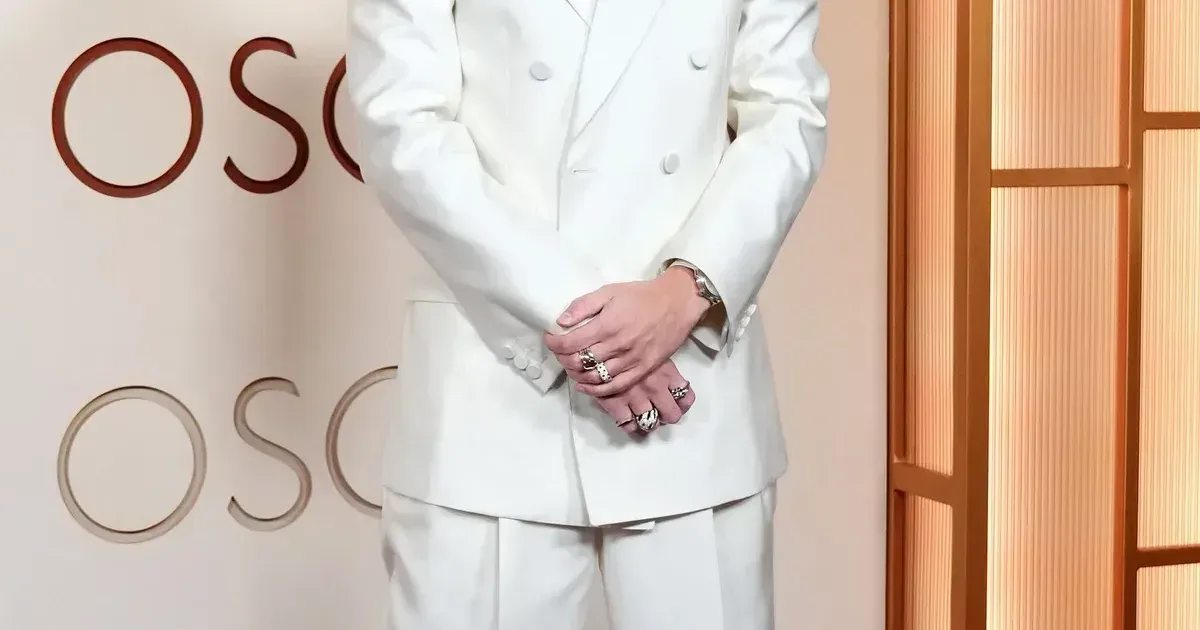
Timothee Chalamet 's Oscars campaign drew a wave of criticism from fans who once treated his red carpet appearances as part of his appeal. The backlash was not about one outfit alone; it was about a broader sense that spontaneity had been replaced by calculation. Actors often change public style as their careers mature. The risk is that longtime supporters can read the shift as distance rather than growth. The Academy Awards gave Chalamet a stage where clothing, interviews and body language were all interpreted as campaign signals.
A darker, more restrained appearance contrasted with the playful fashion language that helped define his earlier fame. Fan communities noticed the change quickly. Some saw polish and seriousness; others saw a performer leaning too hard into prestige at the expense of the warmth that made him feel accessible. Awards campaigns ask actors to repeat messages, attend events and project seriousness for months. That machinery can be useful, but it can also flatten a personality if every appearance feels managed.
A Carefully Managed Image Meets Resistance
Chalamet's challenge is not unusual. Young stars often move from discovery to institution, and the audience that helped create the first image may resist the second. The backlash does not mean Chalamet has lost his audience. It means part of that audience is renegotiating what it wants from him. The strategic lesson is that celebrity appeal depends on continuity as much as reinvention.
A new phase can work, but fans need to feel invited into it rather than managed by it. Red carpet criticism often looks superficial, but it can reveal a deeper shift in the relationship between celebrity and audience. Fans use clothing, interviews and gestures as clues about whether a star still feels like the person they first supported. In Chalamet's case, the complaint was that the campaign had become too sealed. The more polished the presentation looked, the more some fans missed the unruly charm of earlier appearances.
The practical lesson for Chalamet is not to reverse course completely. It is to keep ambition from hardening into distance. Prestige campaigns can elevate an actor, but they can also make the audience feel managed. The strongest public image lets maturity arrive without making the original connection feel like a costume that has been retired. The backlash also reflects a larger change in fan culture.
The campaign also shows how quickly awards-season enthusiasm can reverse when fans feel overmanaged. Chalamet’s appeal has often depended on a mix of prestige roles, fashion visibility and an image of spontaneity. If the Oscar push looked too calculated, the backlash was not only about one lost statue. It was about whether the public still reads the performance around the performance as credible.
The Image Readout
Audiences no longer watch an awards campaign passively; they annotate every interview, outfit and public interaction as evidence of authenticity or calculation. That scrutiny can be unfair, but it is now part of the celebrity economy. A star who benefits from intense online devotion also lives with the speed at which devotion can turn skeptical. The change in fan sentiment does not erase a major actor’s cultural position, but it does show how quickly a carefully managed campaign can begin to look airless.
Chalamet still has room to reset because the criticism is about tone more than talent. A less guarded public phase could restore some of the ease that made his earlier image travel so widely. The next campaign will matter because fans will compare it with this one. If the public version of Chalamet feels more relaxed and less overproduced, the Oscars cycle may become a temporary correction rather than a lasting turn in perception. If it stays rigid, the criticism will look less like noise and more like a warning about how his brand is aging.