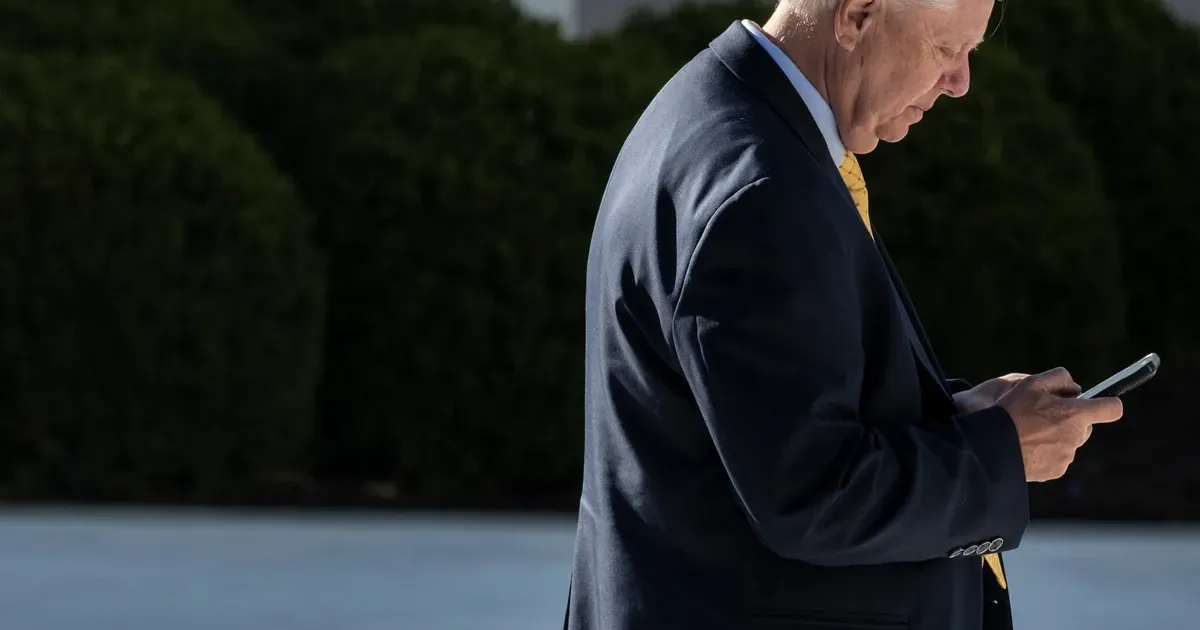
marked the day when investigative scrutiny shifted from traditional newsrooms to the tabloid lenses of TMZ. On March 31, 2026, the vacation footage turned the DHS funding lapse into an optics problem for lawmakers. Photographers from the Hollywood gossip outlet captured members of the United States Congress at luxury resorts while the Department of Homeland Security remained shuttered due to a funding lapse. These visual records appeared online just as federal employees across the country began missing their first full pay cycles. Legislative leaders had authorized a two-week spring recess despite failing to pass a stopgap spending bill to keep security agencies operational. Travelers at major international gateways faced growing delays as non-essential administrative staff stayed home.
Government operations for the Department of Homeland Security ceased four days ago when a budget deadlock in the Senate halted all discretionary spending. This paralysis affected the Transportation Security Administration, the Secret Service, and Customs and Border Protection. Most front-line officers continue to work without pay under essential-personnel designations. Reports from the tabloid showed legislators lounging at five-star beachfront properties in Florida and private mountain retreats in Colorado. Public reaction intensified as digital galleries displayed high-ranking committee members enjoying cocktails while national security infrastructure remained technically insolvent.
Department of Homeland Security Operations Cease
Funding for the Department of Homeland Security expired at midnight last Friday after a disagreement over border policy riders. Negotiations collapsed when leadership from the United States Congress could not agree on a permanent allocation for cyber-defense initiatives. So, nearly 1.2 million employees are now working in an unpaid capacity or are currently furloughed. Internal memos circulated within the agency suggest that morale has hit a historic low. Security experts argue that prolonged shutdowns create vulnerabilities that foreign adversaries often exploit. Critical inspections at maritime ports have slowed sharply since the weekend.
A spokesperson for the Department of Homeland Security issued a statement regarding the ongoing crisis:
The lapse in appropriations forces our dedicated professionals to secure the homeland without the certainty of a paycheck while administrative support functions remain completely dark.
Screening checkpoints at major hubs like Hartsfield-Jackson Atlanta International Airport reported wait times exceeding three hours. TMZ reported that several lawmakers used sped up security lanes to reach their vacation destinations before the full weight of the shutdown hit the general public. These contrastive images of political leisure and bureaucratic chaos dominated social media feeds throughout the morning. Critics pointed out that the legislative calendar takes precedence over administrative emergencies. Financial analysts predict the shutdown costs the domestic economy roughly $150 million per day in lost productivity.
The legislative recess intensified public backlash.
Anger toward the United States Congress is mounting as the spring break continues through early April. Congressional staff members remaining in Washington confirmed that no formal talks are scheduled until the second week of the month. Meanwhile, the Department of Homeland Security cannot process new immigration visas or conduct routine audits of federal contractors. Furloughed workers have started applying for unemployment benefits in their respective states. Local economies in the capital region report a sharp decline in revenue as federal spending dries up. Retailers near the Department of Homeland Security headquarters in Southeast D.C. described the streets as empty.
Political analysts at TMZ are now providing more frequent updates on the shutdown than several major cable networks. This shift in media consumption suggests a growing appetite for raw, unfiltered glimpses into the lives of the governing class. Photographs showed one Senator participating in a deep-sea fishing excursion off the coast of Cabo San Lucas. Such images provoke visceral reactions from families currently struggling with the sudden loss of federal income. National security contractors have warned that they may have to issue layoff notices if the deadlock lasts another ten days. Domestic flight cancellations increased by 15% over the last forty-eight hours.
Political Consequences of the spring-break Footage
Legislators may find their reelection campaigns hampered by the imagery currently circulating in the press. Voters often remember visual displays of perceived elitism longer than they remember specific policy disagreements. TMZ has promised to continue its surveillance of the United States Congress until the session resumes. This level of scrutiny forces a new reality upon officials who are accustomed to more deferential treatment from the Washington press corps. Some representatives have already deleted social media posts that appeared to show them enjoying their time away from the capital. Public trust in legislative institutions has reached a new nadir according to recent polling data.
Emergency funds for the Department of Homeland Security are expected to run dry by the end of the week. It will leave the agency unable to maintain basic maintenance on surveillance equipment along the southern border. Congressional leaders issued a joint statement claiming that staff-level discussions are ongoing via encrypted messaging. No evidence exists of a breakthrough that would restore funding before the official recess ends. The gap between the lifestyle of the lawmakers and the reality of the people they represent has never been more visible. Airport authorities are bracing for even longer lines as the busy spring travel season peaks.
The political damage grows when the footage gives opponents a visual shorthand for absence during a security-agency shutdown.
Political Cost of Optics
The footage matters because shutdown politics often turn on visible sacrifice. Lawmakers can defend negotiations in Washington, but vacation images create a simpler story for voters already frustrated by stalled services.
That does not mean every recorded trip is a scandal. It does mean members of Congress face a credibility problem when Homeland Security workers and travelers feel the effects of a funding lapse.