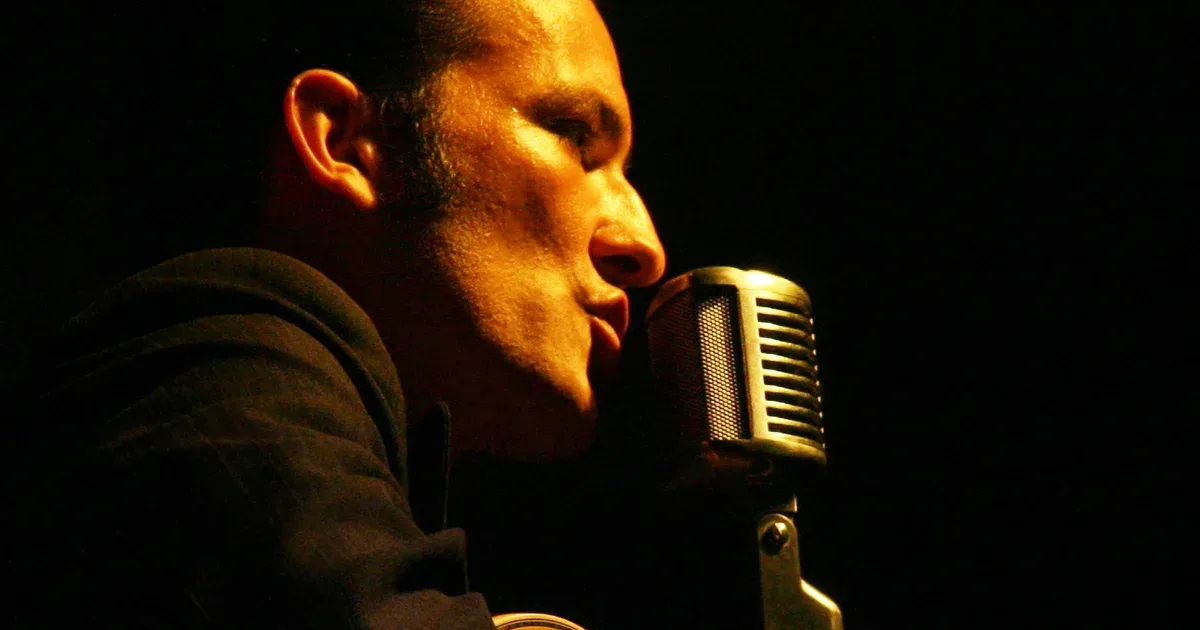
Tommy DeCarlo, the singer whose unlikely path took him from online discovery to fronting Boston, has died at 60. News of his death prompted tributes from rock fans who remembered one of the stranger and more generous second acts in classic-rock history. DeCarlo did not enter the band through the usual industry machinery. He reached listeners first as a fan with a voice that carried echoes of the music he loved. By March 9, 2026, that origin had become central to his appeal. Boston was never an easy band to join because its sound is so closely tied to layered harmonies, polished guitars and the memory of Brad Delp's voice. DeCarlo stepped into that expectation with humility rather than entitlement.
A Fan Becomes the Frontman
DeCarlo's story spread because it felt almost impossible in the modern music business. He posted performances online, drew attention for how naturally he could inhabit Boston's vocal range, and eventually found himself invited into a world that most fans only approach from the crowd. Tommy DeCarlo was not a replacement in the simple sense. He was a caretaker of a catalog that meant a great deal to listeners. His job was to make familiar songs feel alive without pretending that history could be rewound.
Classic Rock Depends on Trust
Bands with long histories face a difficult question after losing defining members. They can stop, reinvent themselves or bring in musicians who preserve the sound. Each choice carries risk. Fans can be protective, and nostalgia can make any new voice feel like an intrusion. DeCarlo earned acceptance by treating the material with respect. He did not try to turn Boston into a vehicle for his own reinvention. He understood that the audience came to hear songs attached to memory, and he gave those songs a steady, grateful presence. The legacy is unusual but real.
His death closes a chapter that showed how the internet could still create a human, almost old-fashioned music story. A voice posted online reached the people who could change a life. That life then became part of a touring institution. The achievement should not be measured only by chart impact or songwriting credits. DeCarlo helped keep a beloved catalog on stage for fans who wanted to hear it performed with care. In classic rock, that is not a small contribution. His path also gave other musicians a reason to believe that fandom and professionalism do not have to be opposites. Sometimes the person who loves the songs most is exactly the person trusted to carry them forward.
DeCarlo also represented a kinder version of rock mythology. His story was not built around scandal, excess or industry calculation. It was built around a working musician being noticed because he could deliver songs that mattered to people. That does not make the role easy. Singing beloved classic-rock material night after night requires technical stamina and emotional restraint. The singer has to honor arrangements that fans know intimately while still sounding present rather than like a recording played through a body. Boston fans can be demanding because the band's studio sound is unusually precise. Harmonies, guitar textures and soaring choruses leave little space for rough approximation. DeCarlo's ability to meet that standard is why his tenure lasted beyond novelty.
His death also prompts a broader question for legacy bands: how long can catalogs live on through new interpreters? There is no single answer. Some audiences reject any continuation. Others welcome a respectful performance that keeps communal memory alive. DeCarlo's chapter belongs to the second category. He did not erase what came before him. He helped listeners gather around it again, and that is why the tributes after his death have carried genuine warmth. There is also a lesson about access. DeCarlo's rise happened because the internet made a private performance public enough to reach the right ears. That possibility is now common, but his story retained a sense of wonder because it connected directly to a band he already loved.
The tributes after his death have focused less on celebrity and more on gratitude. Fans understood that he helped preserve a sound without making himself bigger than the songs. That humility became part of his musical signature. There is dignity in that kind of work. Rock history often celebrates originators, but it also depends on musicians who keep songs alive after loss. DeCarlo stepped into grief, expectation and comparison, then turned the assignment into a career. That is why his death feels personal to listeners who never met him. His career proved that preservation can be creative work when it is done with skill, care and emotional intelligence. That is why his unlikely path now reads less like a novelty and more like a legacy.
That legacy now sits with the fans who heard him keep those songs alive.