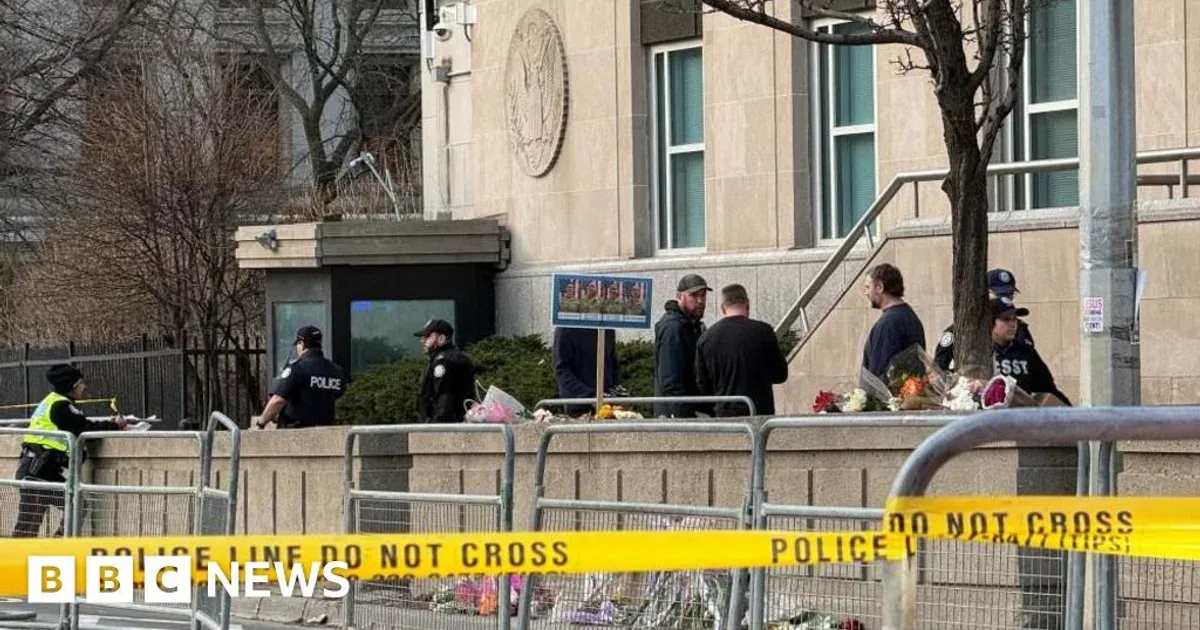
Gunfire near the U.S. Consulate in Toronto has turned a city security incident into a diplomatic concern. The first facts were narrow, but the address changed the stakes. By March 10, 2026, police were treating the location as seriously as the gunfire itself. Early facts remain limited, but the location alone makes the case more serious than an ordinary overnight shooting. The consulate location makes coordination more complex because Toronto police, Canadian federal officials and U.S. diplomatic security may all have roles. The central question is still motive. Clear command structure matters during the first hours of a sensitive investigation, especially when public details are limited. The Canadian context also matters because Toronto is not a city where diplomatic violence can be treated as routine.
Consulate Area Becomes a Crime Scene
Toronto officers moved quickly to secure the area, review surveillance and determine whether the consulate itself was targeted. In a dense downtown corridor, trajectory, shell casings and witness timing will matter. If the shooting was targeted, investigators will need to determine whether the motive was political, personal or connected to a wider threat environment. Any confirmed targeting of the consulate would carry national implications and require coordination with Ottawa and Washington. The investigation also has to account for timing because early-hour incidents can exploit quieter streets and fewer witnesses.
U.S. Consulate security is a special category because any incident near the perimeter can trigger federal, diplomatic and cross-border coordination. Police must treat the possibility of a targeted act seriously without declaring one before evidence supports it. If it was not targeted, officials still have to explain whether nearby residents, commuters or staff face any continuing risk. Even without confirmed targeting, the incident can change how nearby missions evaluate street exposure, camera coverage and early-hour patrols. That does not mean the corridor should be militarized, but it does mean planners should understand when the site is most exposed.
A shooting near a mission can be political, personal, opportunistic or accidental in relation to the site. The investigation has to separate geography from intent. The risk of misinformation is high because a single post can turn an unresolved shooting into a claimed attack. That review should be practical, not theatrical. The city has to manage two audiences at once: residents who need calm facts and diplomatic partners who need confidence in protection. The investigation may also force officials to review whether camera angles, patrol timing and street closures around the consulate are adequate.
Diplomatic Missions Face a Tense Climate
The timing is sensitive because American diplomatic sites are operating during wider conflict pressure, protests and global anger tied to U.S. foreign policy. Even unrelated incidents can produce anxiety for staff and nearby residents. That makes communication part of security, not a public-relations afterthought. The goal is to identify weak points without turning the consulate district into a permanent symbol of fear. Those audiences do not always require the same level of detail, but both require consistency. Those are practical questions, not proof of motive, and they should be handled without inflating the public threat.
Canadian authorities will likely coordinate with U.S. officials on threat assessment, protective measures and information sharing. That does not mean the case is international by default. It means the threshold for caution is higher. Police do not need to release unverified details, but they do need to prevent a vacuum that speculation will fill. Nearby businesses and commuters will judge the response by clarity as much as police presence. If officials communicate carefully, the investigation can remain focused on evidence rather than speculation. Until then, the responsible posture is narrow: secure the area, protect the mission, brief the public and let evidence define the story.
Evidence must lead the narrative. High-profile security incidents invite speculation, and speculation is dangerous when motive, suspect identity and target selection remain unclear. Toronto has experience managing protests and high-security visits, yet gunfire near a consulate creates a different atmosphere. If officials overstate the risk, they feed panic. If they communicate poorly, the location will do the work that facts have not yet done.
Security Without Panic
The hard balance for Toronto is to protect a sensitive area without turning uncertainty into public panic. Visible security can reassure, but overstatement can inflame tensions and encourage false narratives. Residents need practical information about closures, transit and safety. If they understate it, they risk losing trust before the facts are complete. That restraint is what keeps security serious while facts are still being established in public view and diplomatic pressure is rising.
Diplomatic security threat is a serious phrase, but it should not be used as a substitute for evidence. Police need ballistic analysis, video review and witness statements before drawing firm conclusions. Diplomats need assurance that protective layers are being reviewed without turning the neighborhood into a stage for panic.
The consulate shooting investigation should be treated as urgent, not theatrical. If the mission was targeted, officials need to say so clearly when the evidence allows. If it was not, they need to prevent speculation from doing damage of its own. Good security is often boring: controlled streets, clear updates and no premature claims.
For now, the incident is a warning about how quickly local violence can acquire international meaning when it happens at the edge of a diplomatic address. That is the standard Toronto officials should meet while the evidence catches up.