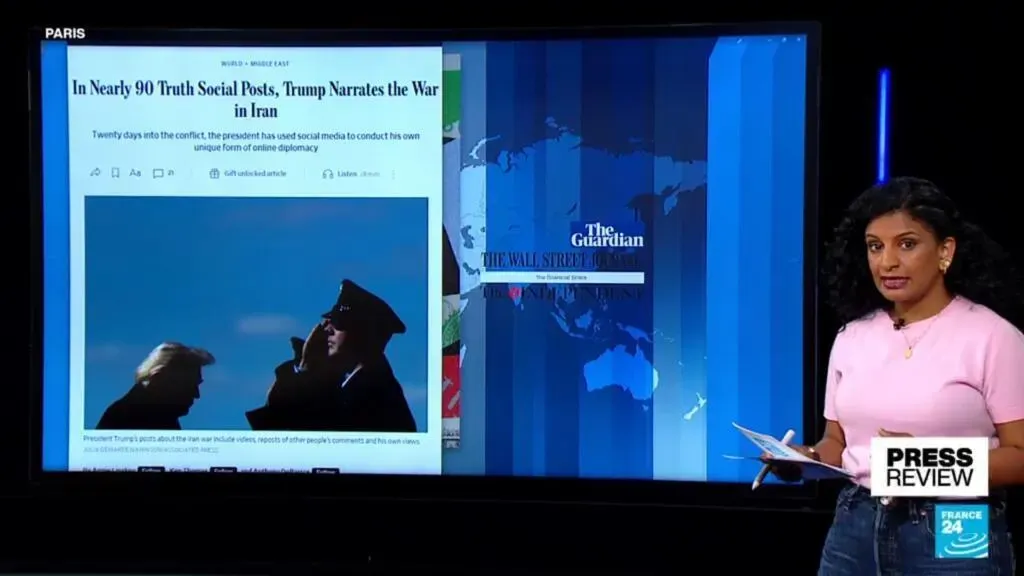
Donald Trump has compared secret Iran strikes to Pearl Harbor, a historical analogy that immediately raises the emotional temperature around an already volatile conflict. The comparison was being read as both a warning and a political framing device. Pearl Harbor is not a neutral reference in American politics. the analogy evoked surprise attack, national trauma and full-scale mobilization. Using it around Iran therefore risks narrowing the space for restraint.
Historical Analogies Can Box In Policy
Presidents and candidates reach for history because it gives audiences a shortcut. The danger is that shortcuts can distort. Not every covert strike, missile exchange or intelligence operation belongs in the same moral category as a defining attack on the United States. Once the analogy is used, opponents and allies both have to respond to its emotional weight. That can make practical questions about evidence, proportionality and objectives harder to discuss.
Iran Debate Moves Toward Escalation Language
The Iran conflict is already crowded with escalation risks: regional bases, proxy forces, energy infrastructure and shipping routes. Language that suggests a Pearl Harbor-level threat can push policymakers toward harder positions. Supporters may argue that the comparison shows seriousness. Critics will argue that it inflates the threat and prepares the public for wider military action.
Congress Has a Role
If secret strikes are involved, congressional oversight becomes more important. Lawmakers need to know what was authorized, what intelligence supported the action and whether the operation risks dragging the country into a broader war. Iran policy cannot be managed only through dramatic language. It requires clear objectives, legal grounding and an exit theory.
Allies Hear the Message Too
Foreign governments will parse the analogy carefully. Allies may worry that Washington is moving toward a more expansive campaign, while adversaries may use the language to justify their own escalation. That is why rhetorical discipline matters. Words can become signals, and signals can become assumptions inside military planning.
The Strategic Read
The comparison is powerful because it compresses fear, history and policy into one phrase. It is dangerous for the same reason. If the goal is deterrence, the administration needs clarity more than theatrical analogy. If the goal is mobilization, the Pearl Harbor reference may reveal more about the political direction of the Iran debate than any official briefing. The analogy also affects military bureaucracy. Planners, diplomats and intelligence officials all respond to the political language around a crisis. If leaders frame an event as historically extraordinary, agencies may feel pressure to produce options that match that scale.
That can be useful when deterrence requires seriousness. It can be dangerous when the United States needs calibrated responses, back channels and enough ambiguity to prevent a direct regional war. Iran will likely interpret the phrase through its own strategic narrative. Tehran can present the comparison as evidence that Washington is preparing public opinion for aggression, even if US officials describe the language as rhetorical. Allies face their own problem. Governments that support US deterrence may still hesitate to endorse analogies that imply a wider war mandate. Their publics may ask whether bases, airspace or intelligence sharing are being used for a campaign that has outgrown its stated purpose.
The media effect is immediate. A Pearl Harbor comparison becomes the headline, often crowding out the operational facts. That can help a leader command attention, but it can also reduce public understanding of what actually happened. historical memory is a powerful instrument and a poor substitute for policy. If the Iran campaign has clear limits, leaders need to say so plainly. If it does not, the analogy may be preparing the country for a much larger fight.
Domestic politics will shape how far the analogy travels. Supporters may use it to argue that hesitation invites danger. Critics may use it to warn against emotional escalation. Both readings can harden quickly because Pearl Harbor sits so deeply in American memory. The legal question remains separate. Even if a threat is serious, secret strikes still require a defensible authorization theory. That is where congressional briefings, intelligence findings and war-powers limits become central. The administration also has to manage public expectations. If leaders invoke a historic attack but then pursue limited action, some supporters may demand more. If they escalate, critics will argue that the rhetoric helped manufacture consent.
The analogy becomes a policy trap. Once a crisis is framed in existential terms, compromise can look like weakness, and calibrated deterrence can look insufficient. That is why the next official statements matter. They can either narrow the meaning of the comparison or allow it to become the dominant frame for the Iran debate. The intelligence dimension is equally important. If secret strikes are justified by classified assessments, the public has to rely on institutional trust at the very moment rhetoric is becoming more dramatic. That trust is fragile after years of disputed interventions. A serious administration would therefore pair any forceful analogy with disciplined disclosure to Congress and a clear explanation of what the operation is meant to prevent.
The historical comparison also risks crowding out regional complexity. Iran policy involves Gulf partners, Israel, Iraq, Syria, shipping routes and domestic Iranian politics. Pearl Harbor language compresses all of that into a single American trauma frame, which may be emotionally effective but analytically thin. A more disciplined approach would separate three questions: what threat was detected, what response was legally authorized and what future action would require new approval. Without those distinctions, the public is left with a powerful analogy and too little operational clarity.
Rhetoric can deter, but it can also commit. The harder test is whether officials can keep the military objective narrow while using language that does not make a narrow objective sound inadequate. If leaders invoke the language of national shock, they should be prepared to explain exactly what they are asking the country to support next. That burden now sits at the center of the debate.