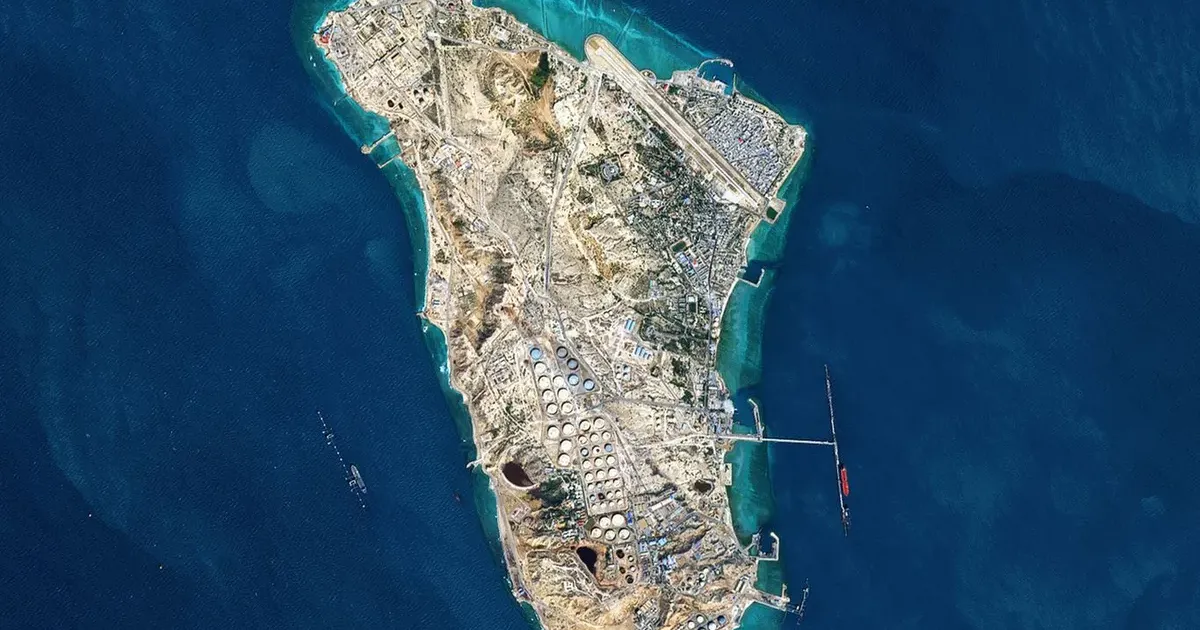
Donald Trump considering a Kharg Island seizure option has pushed the Iran blockade debate into a more dangerous category. Kharg Island is not just another location on a map. It is tied to Iran's oil export system, which makes any military scenario around it economically and strategically explosive. The option was being discussed as US officials weighed ways to counter Iranian pressure on energy flows and regional shipping. Considering an option does not mean ordering it, but the fact that it is in the conversation shows how far the conflict has moved from sanctions and warnings. A seizure plan would raise questions about legality, military feasibility, allied support and the risk of a wider war. It would also test whether Washington can pressure Iran without triggering the very energy shock it wants to prevent.
Kharg Island Carries Oil Leverage
Kharg Island has long been associated with Iranian oil exports. Any threat to seize or disable operations there would be read by markets as a direct challenge to Iran's economic lifeline. Oil exports are not only revenue. They are diplomatic leverage, domestic stability and bargaining power. That is why a move around Kharg would be treated as a major escalation even if framed as a limited operation. Iran would likely view such a step as an attack on sovereign capacity rather than a narrow blockade measure. That raises the chance of retaliation against shipping, bases or Gulf energy infrastructure.
Military Options Create Legal Questions
The US can plan for many contingencies, but carrying them out requires a legal and political framework. Congress, allies and international law would all become part of the debate if seizure moved from option to order. Operationally, an island seizure is also more complex than an airstrike. It requires control, defense, logistics and a plan for what happens after the initial move. Without a clear end state, a tactical success could become a strategic trap.
Markets Would Move Before Troops
Energy markets do not wait for final confirmation. A credible report that Kharg Island is under consideration can lift risk premiums because traders price possibility as well as action. That matters for consumers. If prices rise sharply, the domestic political cost of the plan begins before any operation starts. A blockade strategy meant to pressure Iran can also pressure households through fuel and inflation.
Why Kharg Pressure Is So Dangerous
The Kharg option shows how the Iran conflict is moving toward infrastructure pressure. Once energy nodes become explicit targets or bargaining chips, the war becomes harder to keep inside a military frame.
Trump may see the option as leverage. The danger is that leverage works only if the other side believes restraint remains available. If Tehran concludes that its core oil system is under threat, it may choose escalation before the option becomes reality. The question is therefore not whether Kharg Island matters. It clearly does. The question is whether threatening it creates negotiating power or removes the space for negotiation altogether.
Kharg Island is not just a military target in the abstract. It is central to Iran's export system and therefore to the country's ability to turn crude into hard currency. Even discussing a seizure or blockade option can move markets because traders understand how concentrated that infrastructure is.
For Trump, the appeal of the option would be pressure without immediately framing the move as a full land war. But that distinction may not hold in practice. Iran could treat an attack on its oil-export lifeline as a strategic assault and answer through the Gulf, Iraq, Syria or maritime channels. The economic consequences would not stop at Tehran. Asian buyers, European refiners and shipping insurers would all have to reprice risk. A policy designed to squeeze Iran could also raise fuel costs for consumers and complicate the domestic politics of any US administration ordering it.
Military planners would also have to ask what comes after the first move. Holding, disabling or threatening Kharg are different operations with different legal, logistical and diplomatic costs. A dramatic option can look cleaner on paper than it becomes in the water. Kharg pressure would turn the oil market into the main channel of coercion. That can be powerful, but it also means the United States would be accepting global economic blowback as part of the campaign.
Legal justification would be another challenge. A limited strike, a maritime quarantine and an attempted seizure all require different arguments under international law and different levels of allied tolerance. Partners that support pressure on Iran may still resist a move they view as threatening the free flow of energy.
Iran would likely try to widen the cost horizontally rather than answer only at Kharg. That could mean harassment in the Strait of Hormuz, pressure through aligned militias, cyber activity against energy firms or threats against states that assist US operations. The point would be to make the pressure campaign expensive for more than Washington.
Markets would not wait for full execution. Even planning leaks or public consideration of the option could lift crude prices, raise shipping insurance and force governments to prepare emergency messaging about fuel costs. That political feedback would arrive before the military picture was settled.
The option belongs in the category of coercive leverage that is powerful precisely because it is dangerous. It could damage Iran's finances, but it could also turn an already volatile conflict into a direct contest over the global oil artery. The policy danger is that a move designed to create leverage could consume the agenda. Once oil flows, shipping security and allied basing rights become central, the United States would have fewer ways to keep the confrontation narrow. The closer pressure moves to Iran's oil core, the more the global economy becomes part of the battlefield. Restraint becomes as important as pressure because the stakes are that high and the margin for error is that thin.