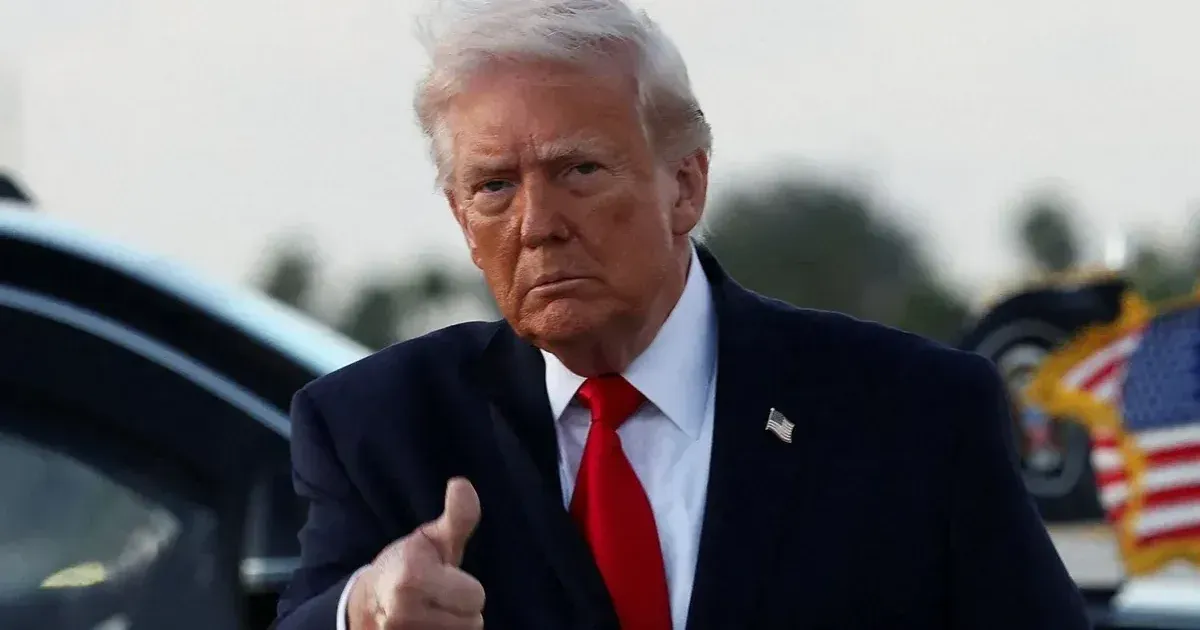
Donald Trump opened a two-front diplomatic dispute by criticizing Pope Leo XIV and issuing warnings toward the United Kingdom. The targets were different, but the method was the same. The pressure also arrived in a moment already heavy with protocol concerns. The April 15, 2026, remarks tied together tensions over the Middle East, royal-visit protocol, trade friction, and the administration's broader impatience with foreign criticism.
The United Kingdom dispute drew attention because it emerged around planning for a state visit by King Charles and Queen Camilla. Diplomatic visits usually rely on controlled language and careful sequencing. Trump's comments cut against that style, leaving British officials to decide whether to answer directly or lower the temperature.
The papal dispute carried a different kind of sensitivity. Pope Leo's criticism of war policy touched moral questions that the White House sees as national-security decisions.
London Faces a Protocol Problem
British officials have strong incentives to avoid a public rupture with Washington. The security relationship, intelligence sharing, trade talks, and diplomatic coordination all depend on keeping channels open. At the same time, open threats from a U.S. president can create domestic pressure for a firmer response.
State visits are symbolic, but symbolism matters. If the visit proceeds under a cloud of public pressure, both governments will have to manage images as much as policy. A royal itinerary can quickly become a test of alliance discipline.
Trump's style often relies on forcing allies to react. That may create leverage in negotiations, but it can also make partners less willing to offer public cooperation.
Pope Leo Criticism Deepens War Debate
The argument with Pope Leo centers on whether religious leaders should challenge military policy when civilian harm and regional stability are at stake. The Vatican can frame the issue as moral concern rooted in civilian protection. The White House can frame it as interference with wartime decision-making.
That clash will resonate with Catholic voters and foreign governments alike. It places the administration in conflict not only with political critics but also with a global religious institution whose influence extends beyond U.S. partisan lines.
The broader risk is that both disputes reinforce the same impression: Washington is treating allies and moral critics as obstacles rather than partners. Supporters may see that as strength. Critics will see it as needless escalation.
The next step depends on whether British officials and the Vatican choose restraint. If they do, the remarks may fade into another burst of diplomatic turbulence. If they answer directly, Trump's comments could become a wider test of U.S. relations with two of its most visible traditional partners.
Both disputes also create management problems for U.S. diplomats. Career officials often spend months preparing state visits, religious outreach, and alliance statements so that leaders have room to disagree without creating a crisis. A sudden public threat or theological rebuke can undo that careful work. British officials must decide whether silence looks weak. Vatican officials must decide whether answering directly would elevate the dispute. In both cases, restraint may be useful but politically unsatisfying. The domestic effect in the United States may be just as sharp. Trump's supporters may see the remarks as proof that he will confront anyone who questions his war policy. Critics may see the same comments as evidence that he is alienating allies and religious authorities during a volatile conflict. That split guarantees the story will not remain confined to diplomatic circles. It will move into campaign messaging, Catholic political debate, and congressional questions about whether foreign relationships are being managed or provoked. The British side will also consider how the comments affect public opinion before the royal visit. A state visit is supposed to project continuity, respect, and shared history. If it becomes linked to pressure over trade or war policy, the symbolism becomes harder to manage. London may choose quiet diplomacy because an open clash would only make the visit more difficult. The Vatican dispute is harder to contain because moral criticism is part of the church's public role. A pope can speak about war without controlling military policy. The administration can reject that criticism without denying the right to raise it. The danger comes when either side questions the other's legitimacy. That is why the next comments from Washington, London, and Rome will matter. They will show whether this becomes a passing flare-up or a more durable fracture. The larger pattern is a foreign policy style that treats public pressure as leverage. That may produce quick attention, but it can leave allies uncertain about whether private commitments still hold. Britain and the Vatican are very different actors, yet both value protocol, continuity, and carefully chosen language. A confrontation with both in the same news cycle magnifies the sense of instability. The White House may see that as useful disruption. Diplomats may see it as a cost that has to be repaired before normal business can resume. The practical test is whether officials can restore routine diplomacy before the visit and the next papal statement turn the dispute into a longer argument.