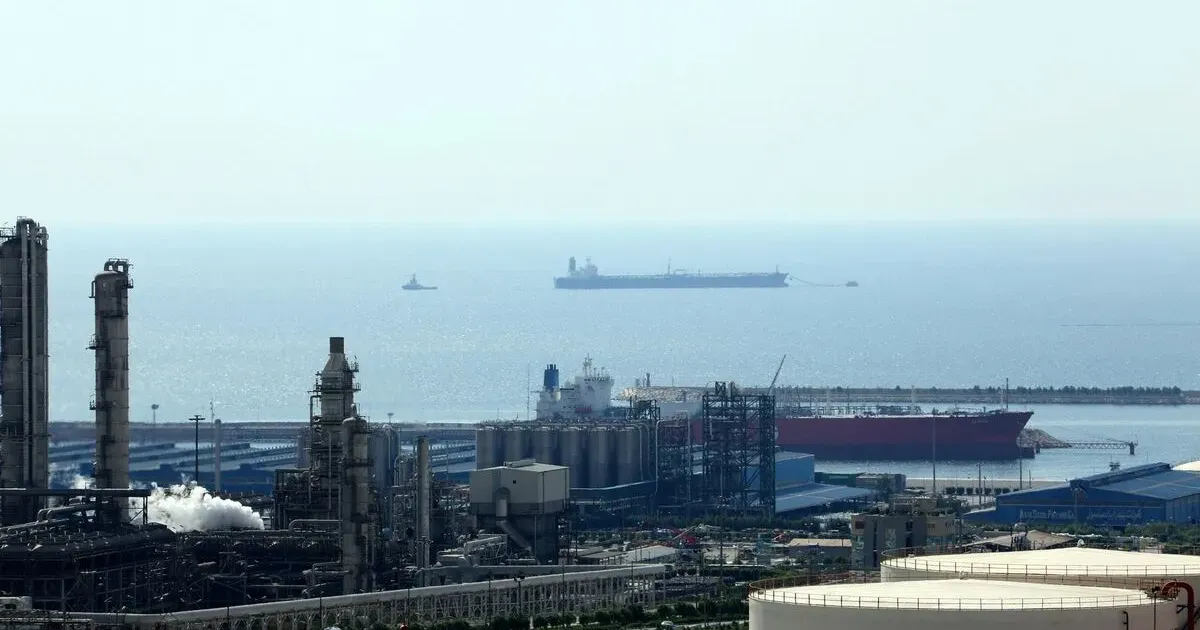
Donald Trump's demand for NATO help in the Strait of Hormuz turned energy security into a direct test of alliance burden-sharing. The request asked allies to treat the waterway not as a regional problem but as a shared economic vulnerability. The strait matters because energy markets do not wait for diplomatic clarity. Even limited threats to shipping can move oil prices, insurance costs and corporate planning. The request landed as Iran tensions were already feeding concern across energy infrastructure and shipping routes.
Washington's position was that the United States should not carry the cost of deterrence alone. That argument has political force in the United States, but it creates a different calculation in Europe. Governments may agree that shipping must remain open while still resisting a mission that could be read by Tehran as military pressure. The hardest question is not whether ships can be sent. It is what those ships are authorized to do.
Washington Turns Shipping Into an Alliance Test
Escort, surveillance, demining, interception and retaliation are not the same mission. Rules of engagement matter because a maritime protection operation can escalate quickly if a drone, missile, small boat or mine creates a confrontation. Allies will want legal clarity before placing crews in that environment. Energy traders will read the NATO response as a signal of deterrence and political unity. A broad coalition could reassure markets that shipping routes will be protected.
A fragmented response could suggest that Iran has more room to pressure traffic. Companies moving oil, gas and cargo through the region also have to price insurance and routing risk. That can raise costs even before any direct disruption occurs. The Hormuz demand shows how quickly a military question can become a market question. Trump is asking allies to convert shared exposure into shared deployment.
The risk is that a coalition built too loosely may fail to deter, while one built too aggressively may widen the confrontation it is meant to contain. Hormuz requires a narrow mission with enough force to protect shipping and enough restraint to avoid becoming the next front. European leaders also have voters to consider. Many governments support maritime security in principle, but they remain cautious about another Middle East mission that could expand without a clear endpoint. That caution does not mean Europe ignores the strait.
Markets Watch the Coalition Signal
It means leaders will likely demand a defensive frame, limited rules and a legal basis that can survive parliamentary scrutiny. Trump's demand is powerful because it forces allies to choose between rhetoric and deployment. It is one thing to call Hormuz vital; it is another to place ships and crews inside the risk zone. The outcome will show whether NATO can translate economic exposure into shared security action. If it cannot, Washington will again argue that allies benefit from American protection while avoiding the cost.
The request also tests whether NATO can operate outside its most familiar geographic and political frame. Hormuz is not a classic alliance-defense scenario, but energy disruption there can still affect every member economy. A major share of global oil and gas shipments moves through the strait, so disruption can affect energy prices worldwide. Allies may want protected shipping lanes but fear being pulled into a broader confrontation with Iran. That ambiguity gives allies room to disagree.
Some may offer surveillance, logistics or minesweeping rather than combat ships. Others may prefer diplomatic pressure or a narrower maritime coalition outside NATO branding. For Washington, partial support may not be enough. The administration wants visible burden-sharing, not quiet sympathy. That is why the political argument may become almost as important as the naval deployment itself.