The summit demand put nuclear policy at the center of the peace track while diplomats worked through sequencing before any final bargain. Security forces in Islamabad have shuttered the capital city to ensure the safety of both delegations. President Donald Trump issued a clear directive regarding the nuclear ambitions of Tehran prior to the arrival of the American team. Delegations gathered in Islamabad for the peace summit on April 11, 2026, after Trump issued the demand. Military personnel in Pakistan have established a multi-layered security perimeter around the Diplomatic Enclave. Negotiators from the United States arrived shortly after the Iranian contingent, marking the start of a summit that local officials have prepared for over several weeks.
Beyond the tarmac, the city of Islamabad is under a total security lockdown. Authorities have deployed 10,000 military and police personnel to patrol the streets and man checkpoints. Shipping containers block primary transit routes, and cellular service in the Red Zone is reportedly intermittent. Local residents have been instructed to remain indoors while the motorcades move between the airport and the high-security meeting venues. This strategy aims to prevent disruptions from regional protesters or extremist elements who oppose the normalization of relations.
Reports from the Ministry of Interior indicate that every major intersection is under surveillance. Military helicopters provide constant overhead cover for the arriving envoys. Pakistani officials have suspended all public gatherings and political rallies for the duration of the three-day summit. Police units are conducting door-to-door sweeps in neighborhoods adjacent to the secure zone to identify potential threats. Security remains the primary concern for the Pakistani government. Hospital emergency rooms have been placed on high alert as part of the standard protocol for visiting heads of state and senior ministers. Emergency vehicles are stationed at 500-meter intervals along the primary motorcade route. Supply chains for essential goods have been rerouted to avoid the city center, causing minor delays in local markets. Coordination between the Pakistani military and the visiting security details from Washington and Tehran is described as professional despite the underlying political tensions.
Nuclear Proliferation and Washington Demands
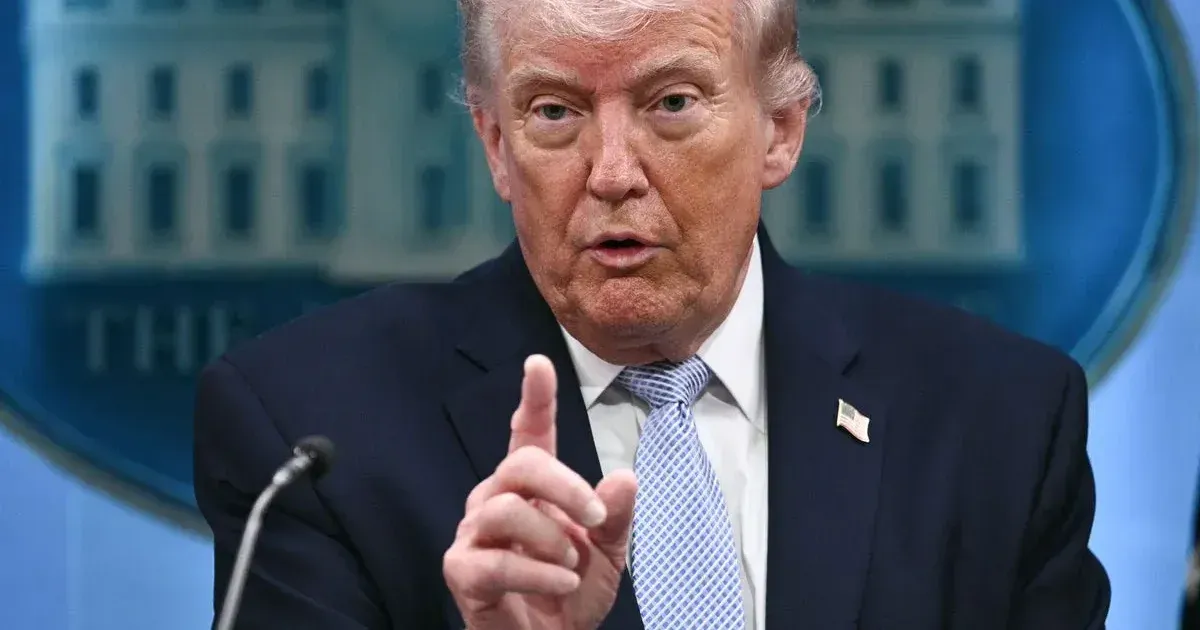
Policy requirements from the White House have been made explicitly clear to the international community. President Trump, speaking to reporters before the summit, used a direct communication style to set the parameters for any potential agreement. He emphasized that the primary objective for the American delegation is the total cessation of the Iranian nuclear program. Washington has signaled that no sanctions relief will be granted until Tehran provides verifiable proof of its compliance with a new inspections regime.
"No nuclear weapons will be permitted for the Iranian regime under any circumstances if they want to rejoin the global economy."
Trump stated this during a brief press conference, highlighting the non-negotiable nature of the American position. The Iranian delegation, however, maintains that its nuclear activities are peaceful and designed solely for energy production. Negotiators from the Iranian Foreign Ministry have previously argued that any new deal must respect their national sovereignty and provide immediate economic benefits. These competing narratives have created a significant gap that diplomats must bridge in the coming days. Previous attempts to find common ground have often stalled over the sequence of sanctions removal and enrichment halts.
Satellite imagery analyzed by Western intelligence suggests that enrichment activities at certain Iranian facilities have continued despite the ongoing diplomatic overtures. American officials have raised concerns about the purity levels of uranium currently being processed. Tehran has countered these claims by accusing Washington of bad faith and pointing to the presence of American naval assets in the Persian Gulf as a form of intimidation. Every session in Islamabad is expected to address these specific technical and military grievances. Neither side has expressed a willingness to make the first major concession.
Economic Pressures and Inflationary Constraints
Financial markets are closely monitoring the developments in Pakistan as domestic economic data puts pressure on the Trump administration. Inflation in the United States has climbed to a two-year high, affecting the cost of energy and consumer goods. Political analysts suggest that a successful peace agreement could lead to lower global oil prices, which would provide relief for the American electorate. The White House is under renewed pressure to deliver a diplomatic victory that stabilizes the international energy market. Failure to reach a deal could lead to further volatility in the commodities sector.
Economic data released this morning shows that consumer confidence is wavering due to the persistent high costs of living. Trump is facing scrutiny from both political allies and opponents regarding the effectiveness of his foreign policy in curbing domestic inflation. A resolution to the standoff in the Middle East is seen as a potential catalyst for an economic rebound. Iranian officials are also dealing with significant domestic pressure as sanctions continue to stifle their local economy. Shortages of medical supplies and industrial equipment have led to occasional public protests in major Iranian cities.
Trade experts suggest that a total lift of the oil embargo would inject millions of barrels of Iranian crude back into the global supply. This prospect has kept prices in check over the last 48 hours as traders await the outcome of the Islamabad talks. However, the risk of a breakdown remains high given the history of the relationship. If the summit concludes without framework for a deal, prices are expected to spike as the market prices in the possibility of further regional conflict. Negotiation teams have entered the safe zone.
Ceasefire Violations and Diplomatic Mistrust
Persistent allegations of ceasefire violations in regional proxy zones continue to complicate the diplomatic environment. While the talks in Islamabad represent a high-level effort to find peace, military commanders on both sides report ongoing skirmishes. Washington has accused Tehran-backed groups of targeting logistics convoys in neighboring territories. Tehran denies these claims, asserting that local militias act independently of their central command. These incidents serve to deepen the mistrust that has defined the relationship for decades.
Diplomatic sources in Islamabad suggest that the first day of meetings will focus on establishing a monitoring mechanism for current hostilities. Without a credible pause in regional violence, a long-term nuclear agreement is considered unlikely by most observers. Reporting indicates that a deep gulf exists between the two sides regarding the definition of a violation. This disagreement has prevented the implementation of a broader security framework during previous rounds of negotiations. Each delegation has brought a team of legal experts to analyze the language of any proposed memorandum.
Pakistan, acting as the mediator, has provided a neutral ground for these discussions but holds limited influence over the final outcome. The role of the Pakistani government is primarily to enable communication and ensure the physical safety of the participants. While Islamabad has hosted similar talks in the past, the current level of international attention is historic. The outcome of these discussions will determine the security architecture of the Middle East for the next decade. Military experts observe that the window for a diplomatic resolution is closing as both nations prepare for possible escalations.
Islamabad Peace Demand
The nuclear demand is not a neutral opening bid; it is a pressure test designed to force Tehran to choose between diplomatic access and strategic ambiguity. If Washington treats the summit as a stage for ultimatums rather than enforceable sequencing, Islamabad will become another venue where hard positions are photographed but not resolved. The danger is obvious: a failed summit would do more than disappoint diplomats. It would tell commanders, markets and regional proxies that the political channel has closed. That is how a peace track becomes another instrument of escalation.