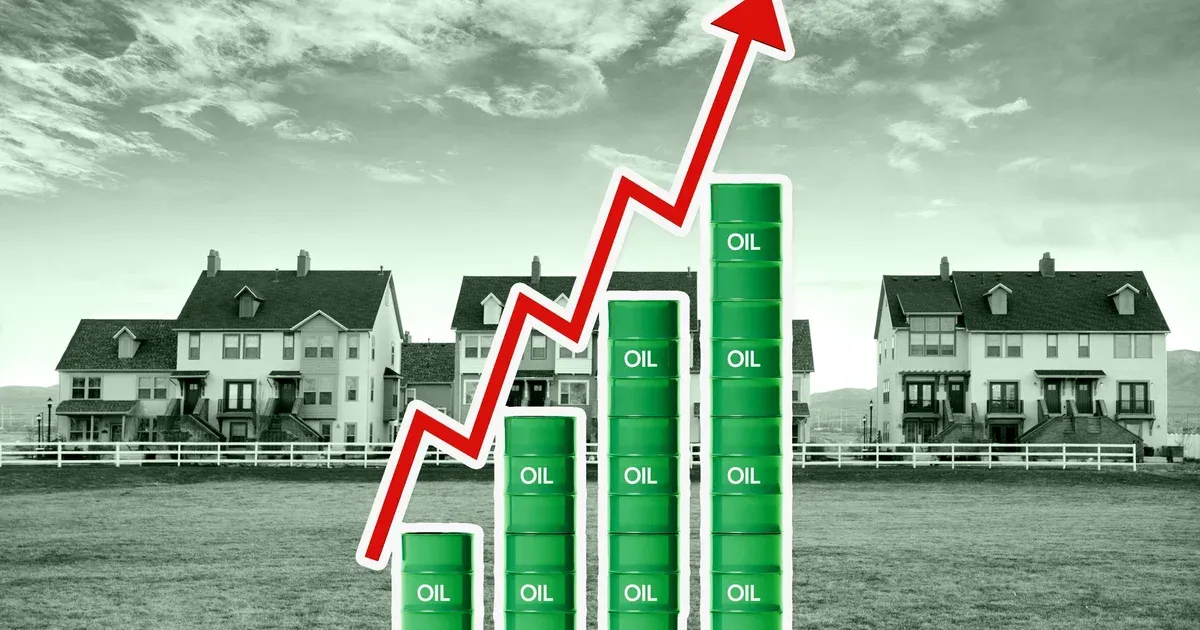
Trump's energy pledge to lower energy costs is running into the harder reality that campaign language often hides. Presidents can influence permits, reserves, diplomacy and regulation. They cannot simply command a global commodity price to fall. By March 10, 2026, oil market limits had become clearer as conflict risk, refinery constraints and investor discipline kept pressure on consumers.
Trump's energy promise to lower energy costs faces a harder reality than campaign language admits.
The Market Is Bigger Than the White House
Lower energy costs depend on crude supply, refining capacity, shipping, electricity grids, natural gas markets and consumer demand. A president can push one lever and still lose to the rest of the system. That is why promises of fast relief often age badly. Energy systems move slower than political speeches.
More Drilling Has Limits
More drilling may increase supply over time, but producers answer to shareholders, labor markets, equipment availability and geology. Companies will not flood the market with unprofitable barrels just because politicians want cheaper gasoline. Refining bottlenecks can also keep consumer prices high even when crude supply improves. Energy prices are difficult to lower by command because the largest drivers sit outside a president's immediate control. Oil production, refinery capacity, shipping insurance, grid investment and overseas conflict all move on timelines that do not respect campaign promises. The administration can still influence permits, reserves, sanctions and diplomacy, but each tool carries a tradeoff. Faster drilling may not cut prices quickly; reserve releases can be temporary; pressure on producers can collide with market reality.
Consumer energy costs also depend on the last mile. Gasoline prices reflect crude, refining margins, distribution, taxes and local competition. Electricity bills reflect fuel mix, transmission investment, weather and utility regulation. A president can influence some of those pieces, but none move instantly on command.
There is a credibility problem when politicians promise relief without describing timing. A permit approved today may affect supply years later. A reserve release can change near-term psychology but must eventually be refilled. A diplomatic breakthrough can lower risk premiums quickly, but a careless threat can put them back just as fast.
The better argument would be honest about tradeoffs. Faster infrastructure may lower costs but face environmental opposition. More domestic production may improve resilience but not guarantee cheap prices. Energy policy that admits limits is less exciting than a slogan, but it is more useful to households trying to plan bills.
Households experience these limits bluntly. They do not buy "energy independence" as an abstraction; they pay gasoline, heating and electricity bills. If the administration wants credit for lower costs, it also has to accept that voters will judge results at the meter and pump, not in policy speeches.
There is also a time lag voters rarely forgive. Energy projects can take years while bills arrive monthly. That mismatch is why presidents often overpromise and why energy policy needs fewer instant claims and more durable planning.
Geopolitics Keeps Intruding
The severe conclusion is that energy affordability is now tied to foreign policy credibility. A conflict in the Gulf, sanctions risk or shipping scare can erase domestic messaging within hours. If the administration wants lower prices, it needs a realistic energy plan and a steadier geopolitical posture. Anything else is branding.