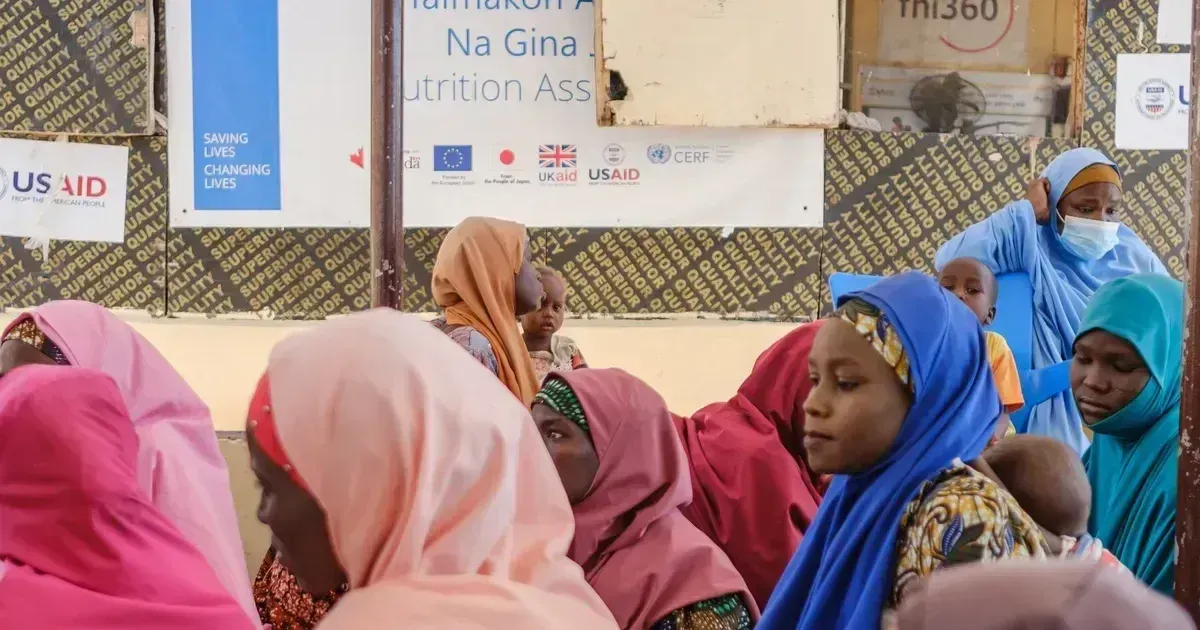
US global health funding became markedly more concentrated among large, US-based organizations during fiscal 2025, according to an analysis by the Health Security Policy Academy. The shift followed the Trump administration's foreign-aid freeze, mass program terminations and dismantling of the US Agency for International Development.
The data support a narrower conclusion than the claim that contractors were simply enriched. Federal obligations increased sharply for several organizations that remained able to operate, while many local recipients lost direct awards. An obligation records money the government commits to an award; it is not the same as profit, cash already spent or a completed health result.
Four Large Organizations Recorded Major Increases
The analysis compared fiscal 2024 and fiscal 2025 global health funding. Chemonics, a for-profit development contractor, received $173 million more in 2025, a 16% increase. Global Solutions Ventures received an additional $82 million, a 727% increase, after taking over work connected to remaining HIV programs.
Two nonprofit organizations also recorded large changes. FHI 360 received $444 million more than in 2024, a 110% increase, while Johns Hopkins-affiliated Jhpiego received an additional $194 million, a 133% increase.
Those figures are individual year-over-year changes, not a combined $400 million increase for the five largest contractors. They also mix for-profit and nonprofit recipients. The original article's simplified total obscured both the scale of the reported increases and the different legal structures of the organizations.
Executives told the New York Times that their work expanded as programs were rapidly reassigned. They said the added 2025 obligations remained within the existing multiyear ceilings of their awards, meaning some money that otherwise might have been committed over several years was concentrated in one fiscal year.
Funding Concentration Rose as Local Awards Fell
The top 25 recipients received 67% of US global health funding in fiscal 2024. From the start of the restructuring through the rest of fiscal 2025, their share rose to 91%, the analysis found.
At the same time, the number of recipients based in the Global South fell by 40%, from 613 organizations to 384. Many local groups had spent years building financial and governance systems to qualify for direct USAID awards. When awards were terminated, smaller organizations often lacked the reserves or other donors needed to keep staff and services in place.
Some later returned as subrecipients under larger organizations rather than as direct federal awardees. That arrangement can preserve delivery capacity, but it moves control of budgets, reporting and program design up the contracting chain and adds another layer between federal funding and local providers.
The concentration figures show where the government placed obligations. They do not by themselves establish how much money remained at US headquarters, how much reached country programs or whether a large intermediary delivered worse results than a local recipient. Those questions require award-level expenditure, subcontract and outcome data.
Administrative Survival Shaped the 2025 Pattern
The administration initially froze most foreign assistance and terminated thousands of awards. It later preserved some lifesaving programs under pressure from Congress and the courts, but much of USAID's field staff and award-management capacity had already been removed.
Large organizations with existing federal awards, compliance teams and cash reserves were among the few channels able to receive obligations and restart work. That is different from evidence that officials selected them for political reward. The public analysis describes an institutional consequence of the overhaul, not a proven kickback or loyalty system.
The funding data also need fiscal-year discipline. The federal fiscal year ends on September 30, and agencies sometimes obligate expiring funds late in the year. FHI 360 said unusually large late obligations were not unprecedented. Court disputes over whether the administration had unlawfully withheld appropriated money also created pressure to release funds before deadlines.
None of those explanations erases the loss of local awards. They do show why a single year's obligation spike should not be treated as recurring revenue or net income. Contractor overhead rates cover administration and indirect costs; they are not automatically profit margins.
Future Health Agreements Need Full Award Tracing
The 2025 pattern may not describe the system the administration ultimately builds. The State Department has emphasized bilateral, government-to-government health agreements and created a funding platform for targeted projects. Local organizations could receive work through national governments or large intermediaries rather than directly from Washington.
That model should be judged on more than the nationality of the prime recipient. For every major health award, the government should publish the prime obligation, indirect-cost terms, subrecipient amounts, country-level expenditures, staffing and service outcomes. It should also identify whether former direct local partners returned and on what contractual terms.
Health continuity needs equally concrete measures: medicines delivered, clinics operating, health workers retained, HIV treatment interruptions, malaria campaigns completed and vaccination rounds conducted. Spending data can reveal concentration, but they cannot substitute for those results.
The hard conclusion is structural. The administration broke much of the award system before establishing a replacement, then relied on the organizations still capable of moving federal money. That helped concentrate obligations among the large groups it had criticized. Whether the next system is cheaper or more locally accountable cannot be settled by slogans about waste or contractors. It requires tracing each federal dollar through the prime award to the service delivered.