Sanctions Relief Reveals Fuel-Price Pressure
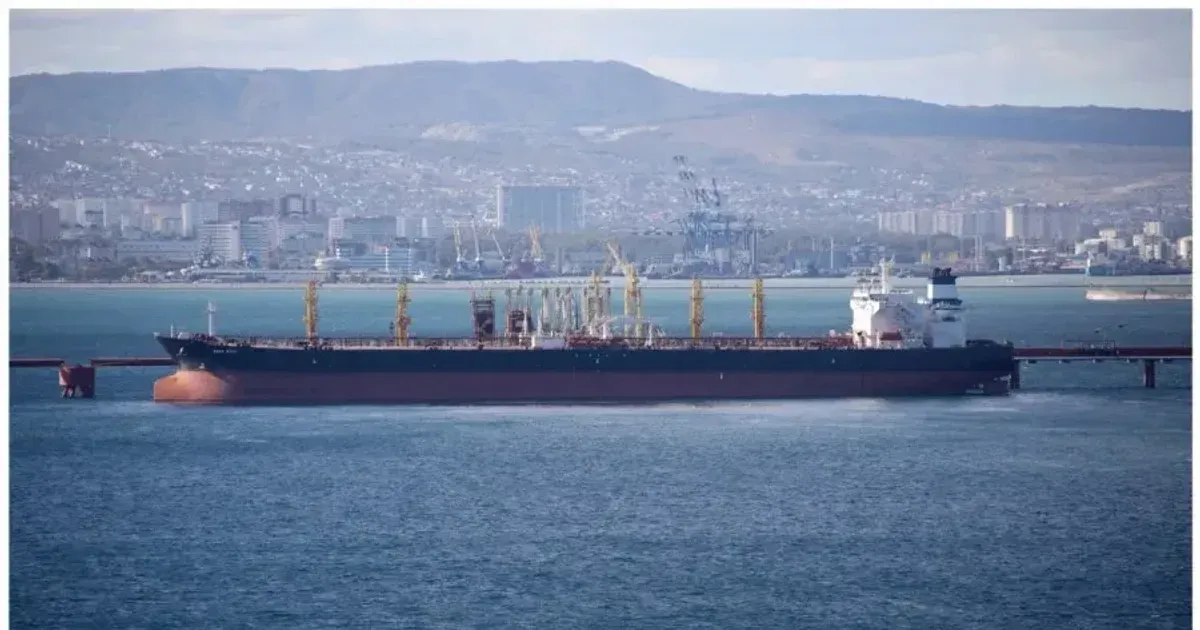
Treasury Secretary Scott Bessent chose late Thursday to reveal a significant reversal in American energy policy. The administration is temporarily removing sanctions on Russian oil currently stranded at sea to prevent a domestic fuel price explosion. On March 13, 2026, the energy decision showed how quickly the Iran conflict was reshaping allied policy.
The decision lowers one immediate pressure while exposing several others that oil supply alone cannot solve.
Such a move reveals the desperation in the West Wing as the conflict with Iran drives global crude markets into a state of volatility. Bessent wrote on the social platform X that the narrowly tailored measure focuses on specific tankers to stabilize the broader economy. Oil prices surged immediately following the first American strikes on Iranian infrastructure two weeks ago.
Washington now finds itself in the paradoxical position of easing pressure on Moscow to sustain a military campaign in the Middle East. Crude prices dictate the political survival of any administration. Economic analysts at several major firms suggest the price per barrel could exceed two hundred dollars if the Persian Gulf remains a theater of active combat. The White House hopes that releasing Russian supplies into the global market will offset the loss of Iranian exports and the disruption of shipping lanes.
It remains unclear how many barrels are currently held in this maritime limbo. Some estimates from energy-tracking firms indicate millions of tons of crude are waiting for legal clearance to dock. Global markets reacted to the news with a slight dip in futures, but the long-term trend remains upward. European officials also have to plan for displacement before it reaches their borders. Humanitarian corridors, asylum capacity and reception centers cannot be improvised after boats begin arriving. That is why Cyprus and other frontline states are pressing the issue early. The German debate shows how energy policy and alliance politics now overlap. Supporting Washington may signal Western unity, but it can also expose European governments to retaliation, migration pressure and voter anger over prices.
European Officials Prepare for Displacement
Will the American voter accept a reliance on Russian energy to fund a war against Tehran? Brussels is currently bracing for a wave of refugees that could dwarf previous historical surges. Four national migration ministers confirmed this week that the European Union is preparing for a massive influx of people fleeing the violence in Iran and Lebanon. Nicholas Ioannides, the deputy migration minister of Cyprus, warned that the bloc cannot overlook the possibility of a new refugee crisis.
Cyprus currently holds the rotating EU presidency and sits at the geographic doorstep of the conflict. Ioannides noted that the escalating violence has already displaced hundreds of thousands of people within the region. Regional directors for the International Organization for Migration report that Lebanon alone is nearing one million displaced citizens.
Does the EU have the structural integrity to handle another 2015-style event? Negotiations on migration reform lasted a decade and are only now reaching their implementation phase. These rules allow migrants to be dispersed more evenly among member states while accelerating the deportation of those who do not qualify for asylum. The timing of the Iran war threatens to break these systems before they even begin to function. The sanctions decision therefore becomes a stress test for several systems at once. It affects oil supply, Russia policy, Iran deterrence, European migration planning and domestic inflation messaging.
Berlin Debates How Closely to Follow Washington
While no massive flotillas have yet reached the shores of Greece or Italy, the internal displacement in the Middle East acts as a leading indicator of what is to come. Internal documents from the European Commission suggest that a sustained war could force millions to seek safety across the Mediterranean. Member states remain deeply divided on how to share the burden of new arrivals.
Some Eastern European nations have already hinted they may close their borders if the situation worsens. German political circles are vibrating with disagreement over how much support to offer the Trump administration. Norbert Röttgen, a key ally of Chancellor Friedrich Merz and a veteran of the Foreign Affairs Committee, argues that Europe must speak with one voice. He told reporters that Europeans have to act as a relevant power in this new geopolitical reality. Röttgen believes that abandoning the United States in this conflict would be equivalent to giving up on the concept of the West. His stance reflects a growing shift in Berlin toward a more assertive military and diplomatic role. Not everyone in the Bundestag shares his enthusiasm for American-led strikes. Opponents of the Merz faction worry that total alignment with Washington will make Germany a target for Iranian retaliation. Iran has already demonstrated its reach by launching attacks on the United Arab Emirates and Bahrain. These strikes on Gulf partners indicate that Tehran is willing to expand the theater of war beyond its own borders.
The decision therefore carries more than one message. It tells energy markets that Washington is willing to bend sanctions when gasoline prices become politically dangerous. It also tells European capitals that the Iran conflict may force them to manage migration, alliance unity and inflation at the same time.
The migration and alliance questions make the fuel decision harder to isolate. A cheaper barrel may help drivers, but the same conflict can send more civilians toward Europe and force NATO governments to explain how closely they are tied to Washington’s campaign. Trump’s move therefore lowers one immediate pressure while exposing several others that cannot be solved through oil supply alone. That is why the sanctions move has strategic consequences beyond the pump. It changes the bargaining position of Moscow, tests European unity and gives critics a simple question: whether short-term price relief is worth weakening a pressure campaign built over years.
That is why the decision cannot be judged only by the next gasoline-price print. A short-term decline may help consumers, but the wider cost will depend on whether Moscow gains bargaining power, whether Europe absorbs new displacement and whether Iran reads the move as evidence that allied pressure has limits.