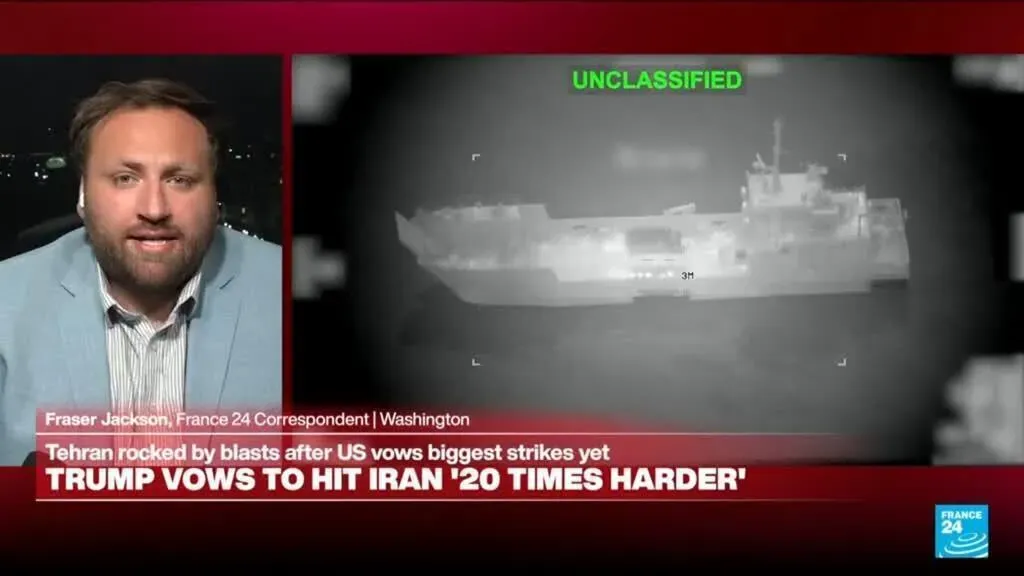
Record Iran air strikes put the administration beyond symbolic pressure and into a wider military campaign. The scale of the bombing matters because larger operations create larger obligations to explain purpose, limits and consequences. By March 10, 2026, Trump's air campaign against Iranian targets had become a test of whether force was being used for leverage or drift.
Scale Changes the Question
Military objectives cannot be inferred from the number of targets hit. A record strike package may look decisive while still leaving the political endpoint unclear. Officials need to say whether the goal is deterrence, destruction of specific capabilities, protection of shipping or broader coercion. Those goals are not interchangeable, and each carries a different risk of retaliation.
The Regional Risk
Iran can answer through missiles, proxies, cyber activity or pressure on Gulf shipping. That means the consequences of the strike campaign may appear outside the original target set. Allies will support only so much ambiguity before they start asking whether the operation is becoming a regional war.
Congress and the Public
The severe conclusion is that a record air campaign cannot be governed by improvisation. If the president orders the largest strikes yet, Congress should demand the clearest explanation yet. The public does not need every operational detail. It does need to know what success means and why the cost is justified. The scale of the air campaign changes the burden on the White House. A record number of strikes cannot be treated like a temporary warning shot. It demands a public account of targets, legal authority, expected duration and what happens if Iran absorbs the damage without yielding. Military planners may believe intensity can shorten the conflict. History offers plenty of reasons to doubt that assumption. Heavy bombing can destroy assets quickly while leaving political will intact, which is how tactical dominance turns into a longer commitment.
The legal question is not a procedural distraction. A campaign of this size needs a clear explanation of presidential authority, congressional notification and the line between defensive action and sustained war. If officials cannot provide that framework, the number of targets hit becomes evidence of power used faster than accountability can follow.
Allies will also measure whether Washington is managing escalation or narrating it after the fact. Gulf states, European partners and Asian energy importers all have direct exposure to retaliation and shipping disruption. They may privately welcome pressure on Iran while publicly fearing a campaign that turns their economies into collateral risk.
The administration should define success before the next round of strikes, not after. Destroyed targets can be counted in a briefing. Political results are harder to measure. That is exactly why the endpoint must be stated while officials still have room to choose it.
Civilian harm should be part of the same account. Large strike packages increase the chance of mistakes, secondary damage and contested casualty claims. If the administration wants sustained public support, it should release enough information to show that proportionality and target review are more than internal slogans.
There is a diplomatic cost to scale as well. The more targets Washington hits, the harder it becomes to persuade skeptical governments that the campaign is narrow. That skepticism matters when the United States later asks for basing access, sanctions support or help stabilizing energy markets.
What Congress Must Ask
The next briefing should define the military aim, the legal basis and the point at which the operation would stop.