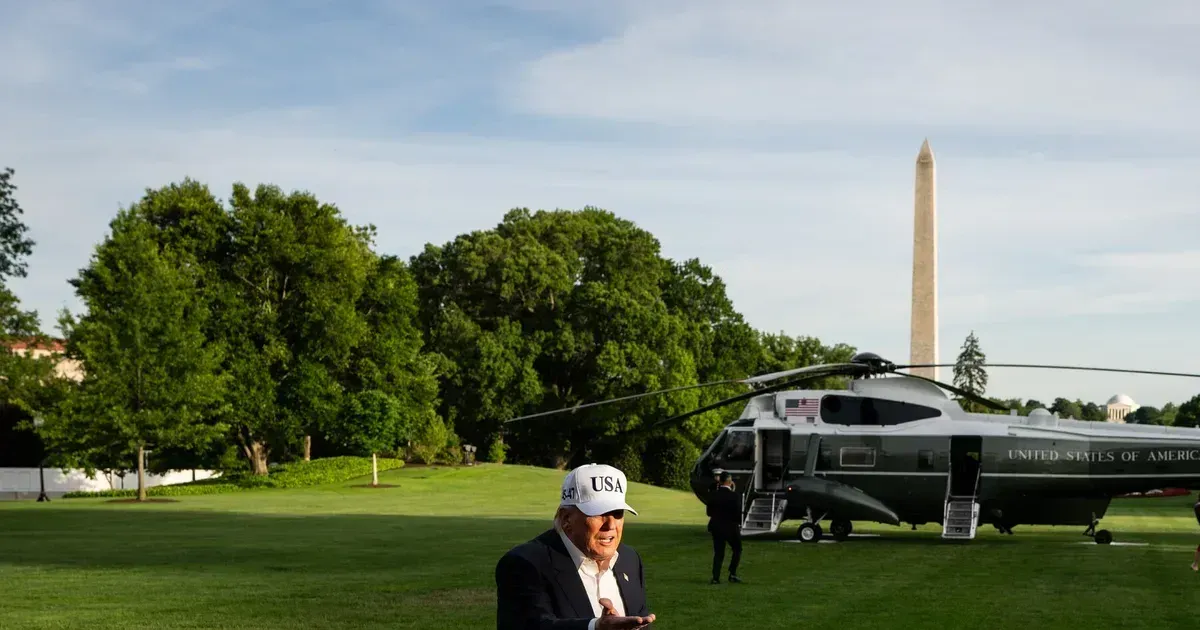
President Donald Trump rejected a revised peace proposal from Tehran on Monday. The rejection keeps diplomacy alive only as a pressure channel, not as a clear path to de-escalation. It also puts Pakistan in the position of relaying ideas that Washington and Tehran may interpret differently. That makes the public wording almost as important as the proposal itself. White House officials confirmed the dismissal on May 18, 2026, after receiving the document through diplomatic channels in Islamabad. Washington characterized the offer as a departure from earlier negotiations, suggesting that Iranian leadership had failed to address core security concerns regarding its nuclear ambitions. These developments put Middle East stability in doubt, reviving fears of a direct military confrontation between the two powers.
Islamabad has functioned as the primary host for ceasefire talks that have struggled to gain momentum. Pakistani officials expressed frustration with the lack of progress, noting that both sides continue to modify their requirements. The Pakistani government confirmed that the revised proposal was delivered to American representatives earlier this week. However, the American response indicates that the gulf between the two nations remains wide. Diplomats in Pakistan described the current atmosphere as one defined by shifting expectations and a lack of mutual trust.
Negotiators in Islamabad reported that the Iranian delegation presented the new terms as a final effort to avoid escalation. Tehran continues to rebuff specific demands related to its nuclear infrastructure, maintaining that its program is intended for civilian purposes. The American administration insists on a complete overhaul of the existing framework, a stance that has created a major hurdle for mediators. Pakistani mediators stated that both parties keep changing their goalposts, making it difficult to establish a stable foundation for a lasting agreement.
Islamabad Mediation Hits Diplomatic Deadlock
Efforts to bridge the gap between Washington and Tehran reached a standstill following the President’s public criticism of the proposal. Trump used social media to voice his displeasure, questioning the logic behind the Iranian offer. The American leader suggested that the new document ignored previous understandings reached during earlier rounds of dialogue. This public rebuke complicated the efforts of Pakistani officials who have spent months trying to enable a sustainable peace process.
Are you people crazy? The proposal has no relationship to the deal we made.
Trump issued this sharp critique on Monday afternoon, referring to the document handed over in Islamabad. The President’s reaction suggests a total breakdown in the current track of diplomacy. Washington appears unwilling to accept any proposal that does not align perfectly with its stated objectives for the region. This rigid stance has left little room for the kind of compromise that Pakistani officials believe is necessary to prevent further conflict. Sources close to the talks indicate that the American administration is prioritizing its maximum pressure campaign over incremental diplomatic gains.
Nuclear Ultimatum and the Ticking Clock
Trump warned Iranian leadership that the clock is ticking on May 18, 2026. The administration has sought to force Iran to accept specific terms on its nuclear program or else face the possibility of renewed war. The ultimatum is the primary driver behind the current surge in regional tensions. An emboldened Tehran has so far refused to buckle under the threat of military action, choosing instead to submit proposals that Washington finds unacceptable. The refusal to compromise on nuclear enrichment levels remains the central point of contention.
Tehran maintains that its sovereignty is not up for negotiation. Iranian officials have argued that the American demands are designed to weaken the nation’s regional influence. The perception of an existential threat has led the Iranian government to adopt a more confrontational posture in recent months. The White House, meanwhile, views any Iranian nuclear capability as an intolerable risk to global security. Both nations appear trapped in a cycle of escalation where every diplomatic attempt is met with renewed hostility.
Pressure on the international community to intervene has grown as the deadline for the American ultimatum approaches. European allies have expressed concern over the possibility of a conflict that could disrupt global energy markets. Despite these concerns, the Trump administration has shown no signs of softening its rhetoric. White House officials emphasize that military options are on the table if Iran does not comply with the nuclear demands. The current trajectory suggests that the window for a peaceful resolution is closing rapidly.
Regional Stability and Shifting Goalposts
Pakistan continues to play a delicate balancing act as the primary mediator. The government in Islamabad has warned that a failure in these talks could have catastrophic consequences for the entire region. Pakistani officials have urged both sides to return to the original parameters of the negotiation. They noted that the constant revision of demands from both Washington and Tehran has made the mediation process nearly impossible to manage. The stability of neighboring states depends heavily on the outcome of these discussions.
Regional powers are monitoring the situation with increasing alarm. A conflict between the U.S. and Iran would likely involve multiple proxy actors across the Middle East. Security experts suggest that the current deadlock increases the risk of a miscalculation on either side. Tehran has hinted at its ability to disrupt shipping lanes in the Persian Gulf if it is attacked. Washington has countered these threats by increasing its naval presence in the area, a move that Iran views as a direct provocation.
Economic sanctions continue to take a toll on the Iranian economy, but they have not produced the political concessions the White House desired. Iranian leadership appears more focused on internal stability and national pride than economic relief. The dynamic has made the use of sanctions less effective as a tool for diplomatic leverage. The deadlock in Islamabad highlights the limits of the current American strategy in achieving a breakthrough with Tehran. Negotiations are currently suspended while both sides reassess their positions.
The Rejected Proposal Leaves Islamabad Mediation Near Collapse
Could the collapse of the Islamabad channel be the final barrier to a regional war? The rejection of the latest peace proposal marks a significant retreat from the prospect of a negotiated settlement. When mediators describe a situation where parties keep changing their goalposts, they are identifying a fundamental breakdown in the mechanics of diplomacy. The pattern suggests that neither side currently sees more value in a deal than in the preservation of their respective red lines. The American administration is betting on the efficacy of a ticking clock, while Tehran is wagering that its resilience will eventually force a more favorable offer.
History suggests that such high-stakes brinkmanship rarely ends without a real cost. The transition from diplomatic deadlock to military mobilization can happen with startling speed when rhetoric reaches this level of intensity. By dismissing the proposal as crazy, the White House has signaled that it no longer views the current Iranian leadership as a rational negotiating partner. The shift in perception often precedes a move toward more aggressive containment strategies. Regional actors must now prepare for a period of heightened instability where the absence of a dialogue becomes the new status quo. The situation is a failure of mediation.