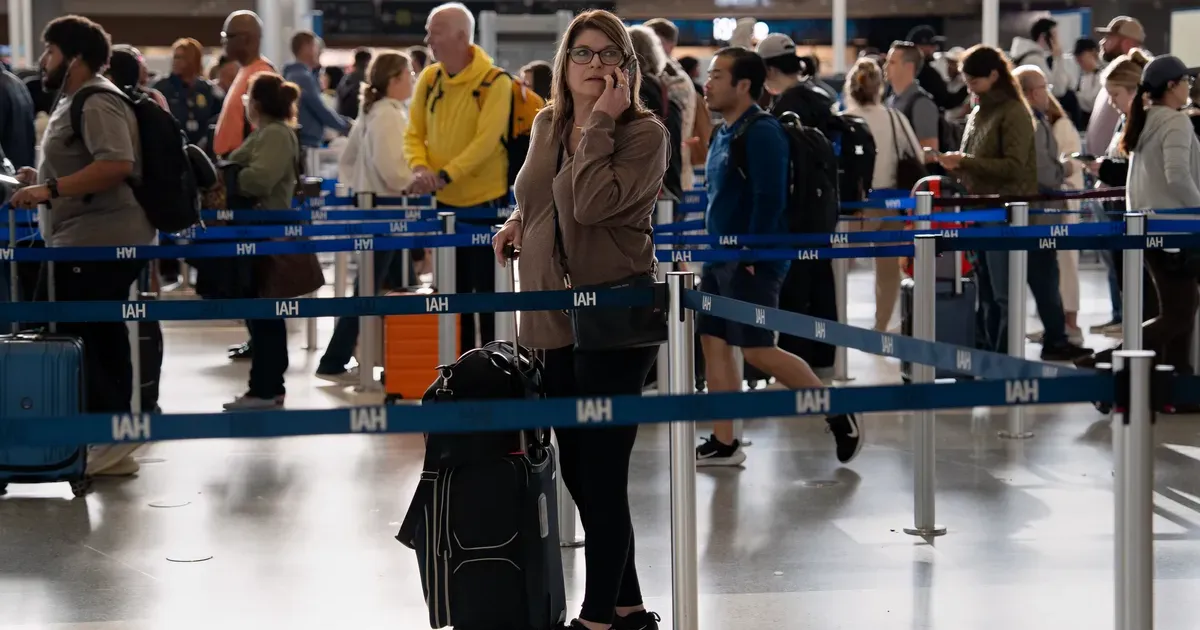
Donald Trump signed an emergency directive to restore TSA pay after Houston airport crowds exposed pressure on federal security staffing. The order followed long lines at George Bush Intercontinental Airport and a wider Department of Homeland Security funding dispute. Travelers were already missing flights before the March 29, 2026 action gave payroll offices a short-term way to keep screening lanes staffed.
Lancet, a traveler caught in the bottleneck, expressed frustration with the political causes of the delay. Passengers stood in lines that exited the terminal doors and snaked into the parking garages. Some individuals abandoned their travel plans entirely after failing to clear security for three hours.
Congressional gridlock stalled the latest Department of Homeland Security appropriations bill.
Democratic leaders in the House and Senate requested specific reforms to the operations of US Immigration and Customs Enforcement. They insisted that any new funding for the fiscal year must include provisions to reduce detention capacity. Republicans countered that border security remains the primary objective of the department. This disagreement left thousands of Transportation Security Administration officers without confirmed paychecks for the current cycle. Staffing shortages immediately followed as workers reported sick or sought temporary employment elsewhere.
Congressional Gridlock Stalls Department of Homeland Security Budget
Budgetary experts noted that the funding gap emerged from a dispute over non-security riders. Democrats proposed a series of broad reforms to the Border Patrol alongside the funding package. These proposals included mandatory transparency reports and a reduction in funding for physical barriers. Republicans argued that these conditions compromised national security. Negotiators failed to reach a compromise before the previous spending authority expired. Federal agencies entered a period of partial shutdown as a result.
Airports across the Sun Belt reported similar staffing shortages throughout the morning.
Houston officials reported that the city's aviation hubs were among the hardest hit. George Bush Intercontinental Airport is a major international gateway for the southern United States. Reduced screening capacity at this location creates a wider effect throughout the entire national aviation network. $5.4 billion in emergency funds will now be diverted to ensure payroll continuity for critical infrastructure workers. Payroll departments at the Treasury began processing the back pay shortly after the announcement. Lines began to shrink by late afternoon as more screening lanes opened to the public.
Houston Travelers Confront Record Wait Times
George Bush Intercontinental Airport management deployed additional staff to manage the crowds in the check-in areas. Airport workers distributed water to families waiting in the humidity of the garage. Security checkpoints usually operate with twelve lanes during peak hours. During the height of the crisis, only three lanes remained functional for thousands of passengers. William P. Hobby Airport also experienced meaningful delays that affected regional flight schedules. Local police departments sent officers to manage traffic congestion on the airport access roads.
Screening officers faced a difficult choice between reporting for work or securing alternative income. Federal law prohibits TSA personnel from striking, but it cannot prevent mass resignations or medical absences. Financial records show that the average entry-level screener relies on consistent pay cycles to meet household expenses. Mortgage payments and grocery bills do not pause during a federal shutdown. Morale plummeted across the agency as the legislative debate continued in Washington. Many senior officers voiced concerns that the disruption would lead to a permanent loss of experienced personnel.
President Trump Bypasses Legislators to Fund Federal Security
Executive orders allow the President to reallocate certain funds during a declared national emergency. Critics argued that using these powers for payroll sets a risky precedent for future budget cycles. Supporters maintained that the economic cost of a shuttered aviation industry outweighs procedural concerns. Economists estimated the daily loss to the Houston economy at several million dollars. Travel industries rely on predictable security wait times to maintain passenger volume. The directive specifically targets subagencies involved in border and transportation security.
Administrative costs for the Department of Homeland Security have risen steadily over the past five years. Funding levels for US Immigration and Customs Enforcement remain a trigger point in every budget negotiation. Democrats seek to shift the agency's focus toward humanitarian efforts rather than enforcement. Republicans want to increase the number of field agents and detention beds. Houston has become the geographic center of this debate due to its proximity to the border. Voters in the region often express polarized views on the intersection of travel convenience and border policy.
Political Friction Impacts US Immigration and Customs Enforcement
Public records indicate that the Transportation Security Administration require approximately $800 million per month to maintain full operations. A prolonged shutdown would have forced the closure of smaller regional airports entirely. Major hubs like Houston require a minimum staffing level to maintain safety protocols. Reducing staff below these levels introduces security vulnerabilities that the agency cannot accept. The emergency funding will cover salaries through the end of the next month. This timeframe provides Congress with an additional thirty days to reach a permanent agreement.
Legal scholars expect a challenge to the executive order in federal court. Previous administrations have faced lawsuits over the redirection of funds without explicit congressional approval. The White House legal team argued that the Antideficiency Act provides sufficient leeway during infrastructure crisis. Passengers in Houston seemed less concerned with legal technicalities than with flight schedules. Lancet noted that the resolution came too late for many who missed important family events. The wait time averaged 215 minutes before the pay restoration took effect.