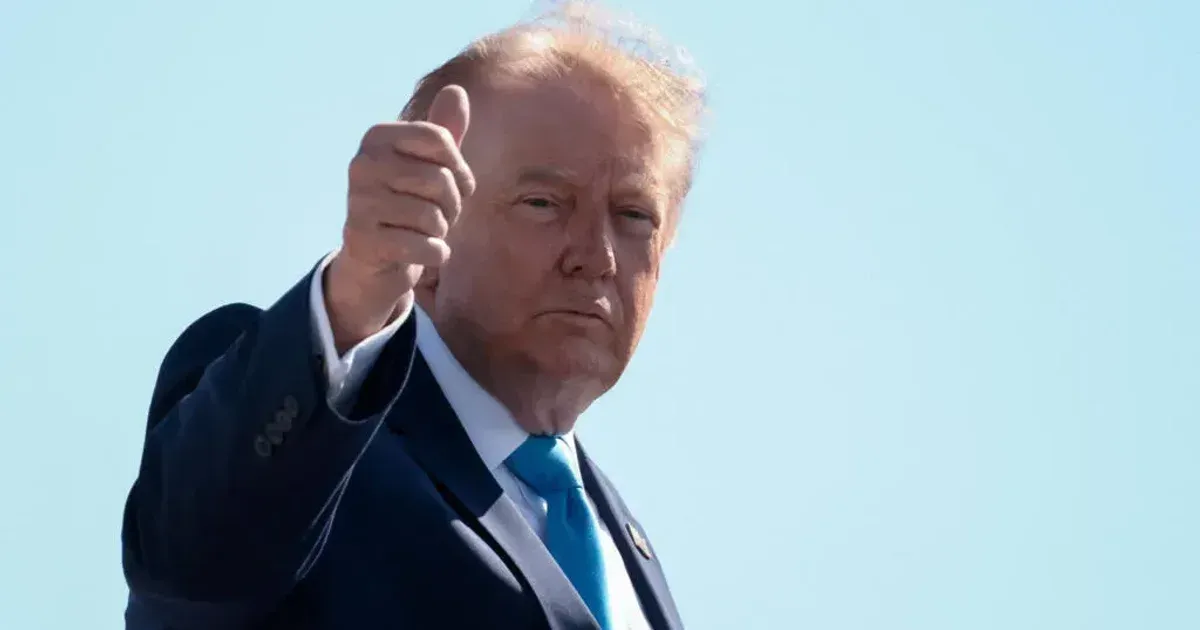
Donald Trump signaled that a decision on further military action against Iran hinges on a final diplomatic window that will last only a few days. The new deadline made the next diplomatic move more dangerous for both capitals. Tehran has to decide whether the warning is negotiation theater or an operational signal. Washington has to decide how much ambiguity it can sustain. Speaking on May 21, 2026, the president said he would give diplomacy a few more days while international mediators try to shape a peace agreement. Reports indicate the White House is still prepared to authorize another major strike if Tehran rejects the terms currently under discussion.
Tehran maintains it will not surrender to American pressure. Iranian officials stated that while they view diplomacy as a wiser path than open conflict, they will not cave to ultimatums issued from Washington. This standoff has coincided with a surge in regional casualties, particularly across Lebanon, where the human cost of the wider confrontation continues to mount.
Lebanese health officials reported on May 20, 2026, that 3,073 people have been killed across the country since the current escalation began in March. The majority of these deaths occurred during the intensification of cross-border strikes involving Israeli forces and regional proxies. This figure highlights the broadening scope of a conflict that began as a localized security operation but has now transformed into a multi-front war involving the region's major military powers.
Humanitarian Costs and the Lebanon Offensive
Violence in Lebanon has reached a scale not seen in decades. The Lebanese Health Ministry provided the updated death toll of 3,073 to illustrate the severity of the aerial campaigns and ground incursions that have defined the last ten weeks. Rescue workers in Beirut and southern municipalities say the infrastructure for civilian protection is failing under the weight of sustained bombardment.
Israeli military operations in the north have sought to dismantle supply lines, yet the collateral damage has drawn sharp criticism from international observers. While the focus remains on the direct confrontation between the United States and Iran, the situation in Lebanon is the primary theater of active combat. Each strike in the Bekaa Valley or the southern suburbs of Beirut adds to a tally that mediators are desperate to freeze before it expands further.
Diplomatic Friction Between Washington and Jerusalem
Tensions between the White House and the Israeli government reached a boiling point during a recent phone conversation. Donald Trump and Benjamin Netanyahu reportedly sparred over the path forward, with the American president favoring a diplomatic resolution that would de-escalate the risk of a wider regional war. Sources familiar with the call described the atmosphere as volatile, noting that the Israeli prime minister treated the Iranian threat with extreme urgency.
"Two or three days," Trump said when asked how long he would wait, while warning that Iran could face "another big hit."
Netanyahu has consistently pushed for more aggressive military intervention to neutralize Iranian military and nuclear infrastructure. Trump, however, appears confident in his ability to manage the Israeli leader's expectations and strategic moves. He told advisors that he believes the prime minister will ultimately follow the lead of the United States regardless of the current disagreements over timing and tactics. Recent reports highlight the escalation of Israeli strikes around Beirut even as diplomatic negotiations remain active, a pattern also seen in earlier Beirut strike coverage.
Domestic pressure in Israel remains high. The security establishment in Tel Aviv is on high alert, fearing that any delay in military action provides Tehran with the necessary time to fortify its positions or finalize sensitive weapons development. The internal discord within the traditional alliance adds a layer of complexity to the negotiations being handled by third-party nations.
The Role of International Mediators
Negotiators from Qatar and Pakistan are leading the effort to refine a peace proposal that both Washington and Tehran can tolerate. These mediators are working on a revised framework that addresses Iranian security concerns while meeting the American demand for a durable pause in hostilities. The involvement of Islamabad is particularly notable, given its historical ties to both the Western bloc and its neighbor to the west.
Doha has once again positioned itself as the primary conduit for sensitive communications. Qatari officials are circulating a draft that includes provisions for immediate sanctions relief in exchange for verifiable Iranian pullbacks from several proxy fronts. Success depends on whether Tehran believes the offer is a genuine path to stability or a trap designed to weaken its regional leverage before another round of strikes.
Time is the most scarce commodity in these discussions. Trump has made it clear that the window for these talks is closing rapidly. If the revised proposal from the mediators fails to gain traction by the end of the week, the United States could move forward with the kind of major strike Trump has publicly threatened. Military assets in the Persian Gulf have already been repositioned to support such an operation on short notice.
A Failed Deadline Would Open the Way to Wider War
What defines the current moment is the calculated use of unpredictable diplomacy as a tool of military coercion. Trump is using military pressure to make the diplomatic option look less costly to Tehran than continued defiance. By involving Pakistan and Qatar, the administration is attempting to outsource the risk of the initial negotiation phase while keeping the final decision in Washington.
The friction with Benjamin Netanyahu appears to be a tactical disagreement rather than a structural break. Trump's assertion that the Israeli leader will comply with American directives suggests that Washington still holds the decisive cards for intelligence sharing and munitions supply. If the peace deal fails, the resulting military response could still involve close coordination, despite the performative clashes currently being reported by diplomatic sources.
Regional stability now rests on a razor-thin margin. The 3,073 deaths in Lebanon provide a grim baseline for what a full-scale war would look like if the diplomatic track collapses entirely. If Tehran chooses to interpret Trump's few days as a bluff, the resulting escalation would likely surpass the current conflict's parameters and involve a broader exchange that reaches Iranian territory. The outcome depends on whether Iranian leaders view compromise as a tactical retreat or as the only way to prevent a wider war.