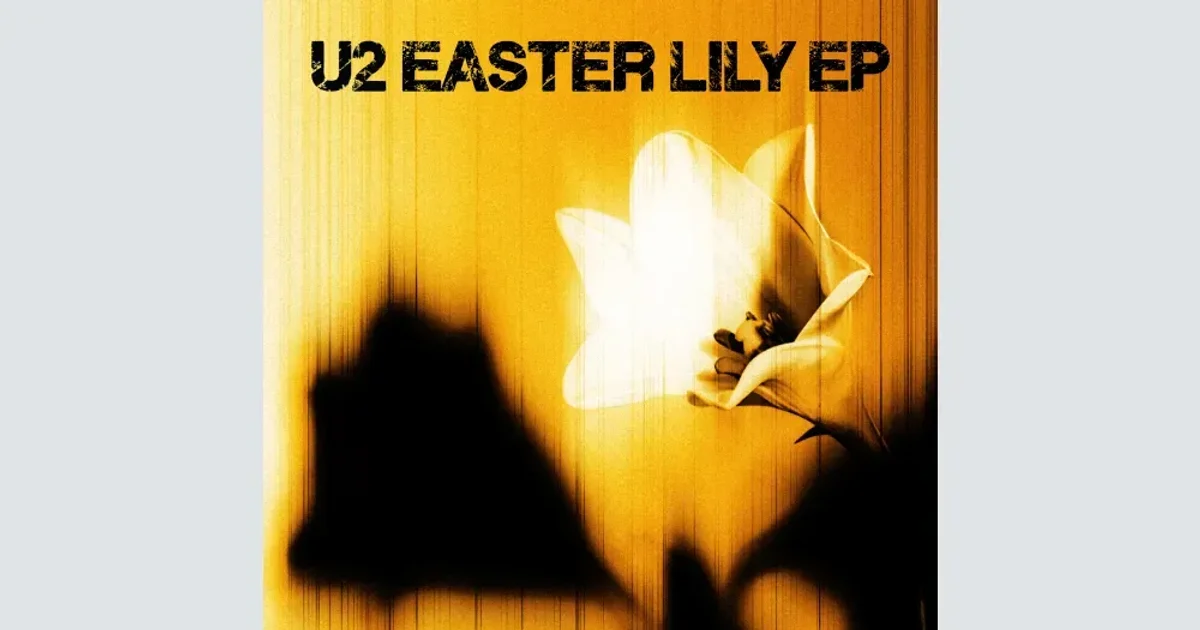
U2's Easter Lily EP worked best because it kept the scale smaller than the band's reputation. The six-song project arrived on Good Friday, April 3, 2026, only weeks after Days of Ash, and presented itself as a more reflective companion piece rather than a grand album-cycle declaration. The EP format gave the music room to breathe.
For a band with U2's history, scale is never neutral. A full album arrives with decades of expectation, arguments about relevance and comparisons with the catalog. An EP can avoid some of the catalog weight. It asks listeners to spend half an hour with a mood instead of treating the release as a final verdict on the band.
The surprise release lowered the pressure
Surprise releases do not mean the same thing for U2 as they do for a new artist. U2 already has a global audience; the task is not discovery but attention. Dropping Easter Lily without a long campaign made the songs the event, at least for the first wave of listeners.
The surprise release also protected the project from becoming another oversized veteran-rock rollout. The announcement did not need months of interviews, billboards and defensive positioning. The music appeared, the band framed the moment, and listeners could decide quickly whether the songs carried enough emotional force.
Good Friday gave the EP a frame
The Easter timing mattered because U2 has always drawn from spiritual language, Irish memory and moral unease. Easter Lily carried those associations before anyone pressed play. The title points toward resurrection, remembrance and renewal without forcing every lyric to become a sermon.
Symbolic restraint is important. U2's seriousness can move people when it feels earned, and it can feel heavy when the symbolism overtakes the song. Easter Lily had to let the religious and Irish references color the project while still leaving the tracks to stand as music.
The second EP changed the year-long story
Days of Ash had already positioned U2 in a public-facing register, with songs tied to conflict, grief and present-day violence. Easter Lily moved inward. Its reported themes of friendship, loss, faith, endurance and renewal made the pair feel like two sides of the same season: one looking at the world outside, the other at private survival.
Pairing the two EPs is more interesting than a one-off surprise. It suggests U2 were using the EP format to divide tones that might have crowded a full album. Political witness and spiritual reflection can coexist in the band's work, but they do not always need to sit in the same package.
Propaganda helped restore the old fan circuit
The revived Propaganda element gave Easter Lily a different texture from a routine streaming drop. U2's fan culture was built through magazines, letters, tour programs and shared symbols long before every release became a playlist tile. Connecting the EP to U2's fan history made the project feel less disposable.
Nostalgia still could not do the creative work. The songs still had to justify the attention. But the surrounding material gave committed listeners a way to enter the release as a document, not only as six audio files appearing on a platform.
The smaller format suited a legacy band
Short projects can be especially valuable for legacy acts because they reduce the burden of proof. U2 do not need to prove they can command a stadium or fill a greatest-hits set. The test is whether new songs still carry urgency when removed from spectacle.
Easter Lily made the late-career test more manageable. If a song connected, the EP felt intimate. If a track missed, the project moved on before the weakness defined the whole cycle. A short project is a smarter shape for late-career work than another oversized statement asking to be judged against every peak.
The symbolism still had to become sound
U2 cannot live only on archive power. Reissues, residencies and reverence can keep the name visible, but new music is the place where a band proves whether its instincts still react to the present. Easter Lily succeeded as a strategy only if the songs made the symbolism audible.
The EP creates productive pressure. Its Good Friday frame, Irish title and spiritual tone gave listeners a route into the material, but they could not save weak writing. U2's late-career challenge remains exacting: turn enormous moral and symbolic weight into songs that sound alive now.