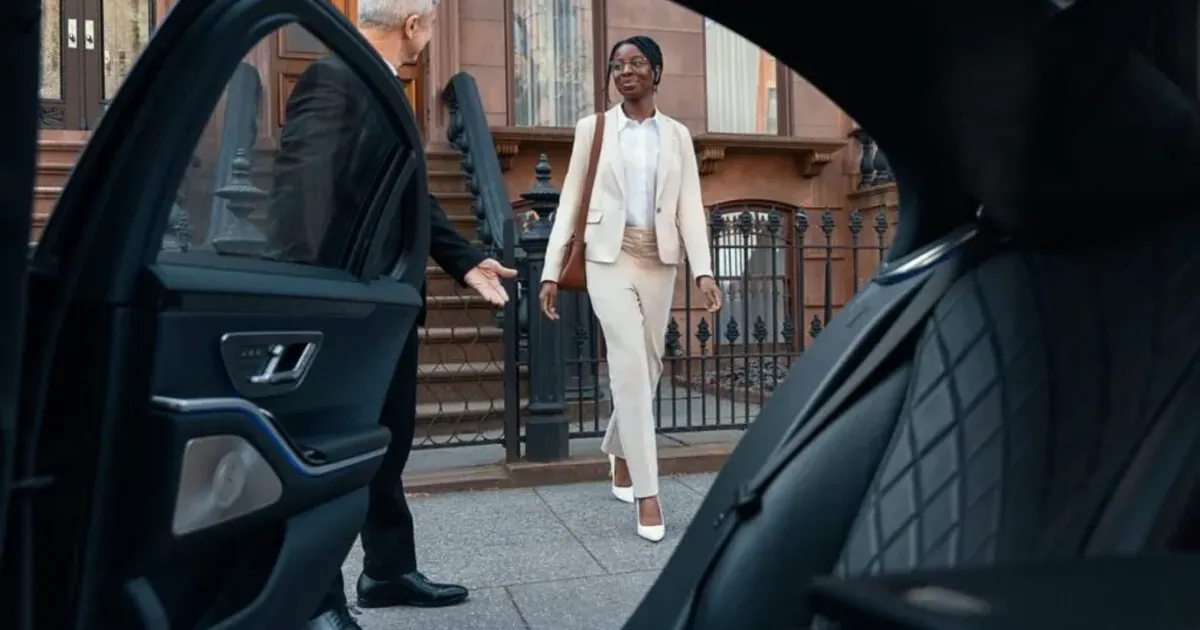
Uber's agreement to acquire Blacklane is a bet that premium travel rewards discipline more than raw app scale. Uber and the Berlin-based chauffeur platform announced the deal on March 30, with closing expected by the end of 2026 subject to regulatory approvals and customary conditions. The timing is important: this is a signed acquisition plan, not an overnight integration.
The strategic logic is clear. Uber wants to move further into luxury, executive and pre-booked travel, including support for its Uber Elite push. Blacklane brings a brand built around scheduled chauffeur service, airport transfers and corporate expectations in hundreds of cities across dozens of countries.
Premium Travel Has Different Rules
A cheap urban ride can survive some friction if the wait is short and the price is low. Chauffeur travel cannot. Corporate travelers and luxury customers judge the product by early arrivals, clean airport pickup, polished vehicles, predictable pricing, invoice accuracy and fast service recovery when a trip goes wrong.
Blacklane is useful to Uber for this reason. The company is not just buying another ride button. It is buying a service culture designed for travelers who plan ahead and expect the trip to feel controlled before the car arrives.
Fixed Pricing Is Part Of The Appeal
Blacklane's pre-booked model fits a customer who dislikes surprise charges. For business travel managers, a predictable fare can matter as much as the vehicle itself because it simplifies approvals, expense reports and policy compliance. Surge pricing may work in ordinary ride-hailing; it is harder to defend in premium airport service.
Uber has the payment rails, demand network and account-management reach to scale that offering. The risk is that the larger platform dilutes the very predictability Blacklane customers value. Luxury travel does not forgive a brand that feels premium only in the marketing copy.
Chauffeur Supply Is Not Gig Supply
Blacklane works with professional local chauffeur providers rather than a loose pool of casual drivers. The model creates a different operating burden: vehicle standards, licensing, insurance, driver presentation, waiting-time rules, local airport procedures and backup capacity all have to be handled city by city.
Uber's original advantage was matching many riders with many drivers quickly. The chauffeur market asks for a narrower promise. It is less about abundance and more about reliability under exact conditions. Scaling that promise without flattening standards will be the central integration test.
Regulation Will Shape The Timeline
The deal still has to clear regulatory approvals. Ground-transportation rules differ sharply across countries and cities, and premium chauffeur services can sit under stricter local licensing systems than ordinary app-based rides. Uber has learned over the years that mobility growth is never only a software problem.
The end-2026 closing target should not be treated as a minor footnote. The transaction's value depends on whether Uber can preserve Blacklane's local compliance structure while adding distribution, payments and enterprise sales reach.
The Real Prize Is Corporate Trust
The acquisition gives Uber a stronger answer for companies that want one mobility partner across everyday rides, airport transfers and executive travel. If Uber can make Blacklane feel consistent from New York to Berlin to Singapore, the deal opens a higher-margin travel tier than short city trips.
The failure case is just as simple. If chauffeur travel becomes only a more expensive Uber ride, Blacklane's brand value fades. The acquisition works only if Uber respects the difference between ride-hailing convenience and chauffeur trust. Premium customers are not paying for a logo. They are paying for fewer things to go wrong.