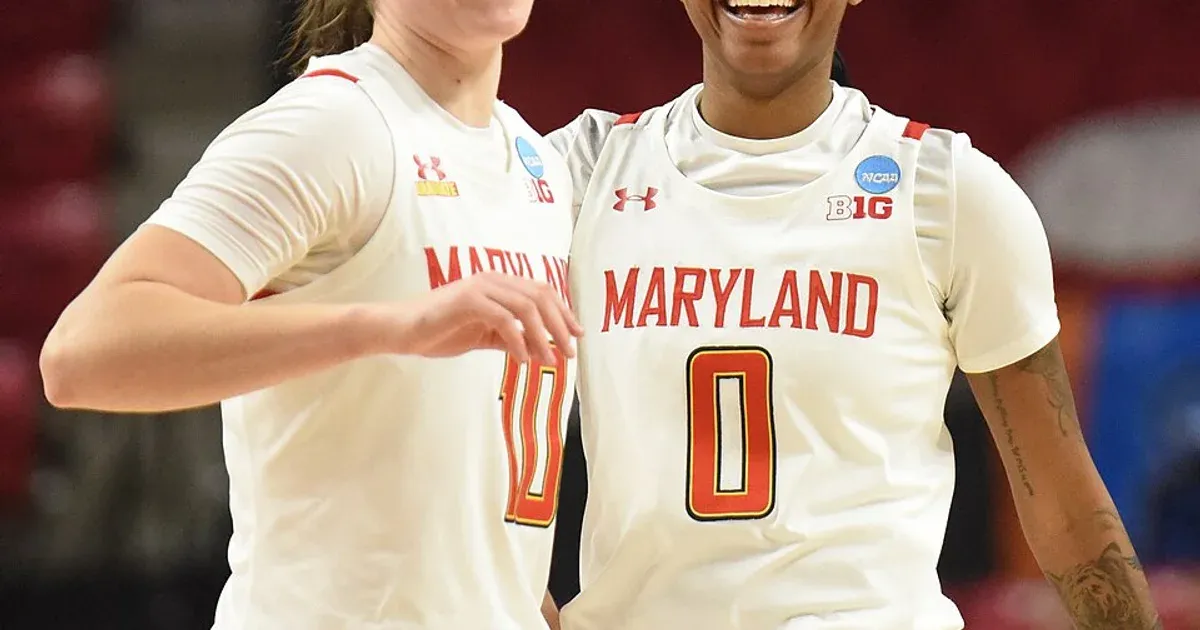
Raven Johnson stood on the hardwood in Cleveland at the end of a South Carolina era. The Gamecocks guard exited the court for the final time following a loss to UCLA in the national championship game. Her final college game closed on April 6, 2026, as UCLA celebrated a national title and women's basketball turned toward a larger professional pay debate. This defeat ended a dominant season for the program led by Dawn Staley. Bruins players celebrated their first title in decades as the final buzzer sounded in the arena.
UCLA used a sophisticated zone defense to neutralize the South Carolina interior game. Scoring remained difficult for the Gamecocks throughout the second half. Raven Johnson attempted to spark a comeback with a series of perimeter shots in the fourth quarter. These efforts failed to overcome the double-digit lead established by the Bruins during a decisive third-quarter run. Bruins center Lauren Betts controlled the glass with fourteen rebounds. Statistics from the game indicate that South Carolina shot only 32 percent from the field.
UCLA Ends South Carolina Championship Run
Victory for the Bruins came through a combination of disciplined transition play and exceptional shot-blocking. Head coach Cori Close directed a strategy that prioritized physical play in the paint. South Carolina players struggled with foul trouble early in the contest. Media observers noted that the absence of consistent bench scoring hampered the Gamecocks when the starters needed rest. Bench points totaled only six for the South Carolina side. UCLA capitalized on every turnover by turning loose balls into fast-break opportunities.
Raven Johnson leaves South Carolina as one of the most decorated guards in the history of the Southeastern Conference. Her leadership during the undefeated regular season earned her praise from analysts across the country. Fans watched as she shared a moment with her teammates before heading to the locker room. Her departure creates a serious void in the Gamecocks backcourt for the upcoming season. Recruiters now focus on high school prospects to fill the roster spot left vacant by her graduation.
Angel Reese used her platform to acknowledge the impact Johnson had on the collegiate game. The rivalry between the two athletes had defined several seasons of high-stakes basketball. Reese posted a message of respect for the competitive drive Johnson displayed during her four years in Columbia. Public responses to the farewell emphasized the respect shared between elite competitors in the sport. Reese herself is moving into a new phase of her career as the professional season approaches.
The WNBA Collective Bargaining Agreement also reshapes the salary conversation around this title game.
WNBA league officials announced that the 30th season will feature a meaningful increase in player compensation. Negotiators finalized a new Collective Bargaining Agreement (CBA) that addresses longstanding concerns regarding the rookie wage scale. This agreement ensures that incoming stars receive pay commensurate with their market value. Financial experts anticipate that the league will see a 40 percent rise in total salary expenditures. Caitlin Clark and other top-tier talents are expected to see the most meaningful gains from this restructuring. The league office confirmed the new terms in a press release earlier this month.
Investment in women's professional basketball has reached record levels. Corporate sponsors have committed to multi-year deals that provide the liquidity necessary for these salary bumps. Broadcast partners increased their rights fees to reflect the large viewership numbers generated during the most recent collegiate tournament. These funds allow the league to provide better travel accommodations and health benefits for all players. League commissioner Cathy Engelbert stated that the 30th season is a milestone for financial stability. Players will report to training camps with the knowledge that their earning potential has reached a new ceiling.
The recently agreed upon CBA will make the 30th season the most lucrative season yet for every athlete in the league, according to a report from Newsweek.
Caitlin Clark is about to become the face of this new economic era in the WNBA. Her ability to draw crowds has already influenced ticket pricing for the upcoming season. Many arenas have reported sell-out crowds for games involving the top draft picks. Marketing firms suggest that her endorsement potential exceeds that of many established veterans in the league. Revenue from jersey sales is projected to break previous records before the first tip-off. Clark continues to train in preparation for her professional debut.
Raven Johnson Leaves South Carolina Legacy
Departure from the collegiate ranks often involves a difficult transition for even the most talented players. Raven Johnson managed the pressures of the South Carolina program with a composure that scouts find appealing. Her ability to enable the offense while maintaining a high defensive work rate makes her a prime candidate for a high draft pick. General managers from several WNBA teams have scouted her extensively over the past month. Evaluations highlight her basketball intelligence and her proficiency in pick-and-roll situations. She enters the draft pool with a resume that includes multiple Final Four appearances.
Caitlin Clark and Angel Reese Lead Economic Surge
Angel Reese has leveraged her collegiate success into a powerful professional brand. Her presence in the WNBA is expected to drive engagement among younger demographics. Market research shows that she has one of the highest social media engagement rates in professional sports. The new CBA allows players like Reese to maximize their off-court earnings through improved licensing agreements. These changes reflect a broader trend of athletes taking control of their intellectual property. The professional basketball landscape is transforming into a model that prioritizes individual player brands.
Women's Basketball Business Shift
Traditionalists often cling to the notion that collegiate sports exist in a vacuum of amateurism, yet the 2026 national championship proved that the university hardwood is now merely a televised audition for a billion-dollar professional industry. The victory of UCLA over South Carolina was more than a sporting result; it was a transfer of market power. While Raven Johnson leaves a legacy in Columbia, the real story is the cold, calculated upward mobility afforded by the new WNBA Collective Bargaining Agreement. The days of female athletes playing for the love of the game are over. They are now playing for the valuation of the brand.
Caitlin Clark and Angel Reese are more than basketball players; they are walking revenue streams. The decision to increase salaries during the 30th season was a necessity for survival in a competitive media market. If the WNBA failed to capitalize on the collegiate hype, it would have faced a catastrophic loss of relevance. The league has finally realized that the product is the person, not the team. The strategy carries risks. Relying on a handful of stars to carry an entire league's balance sheet is an unstable gamble. If the talent fails to perform, the investment evaporates.
The commodification of these athletes is now complete. We should expect more friction between players and owners as the revenue grows. The current CBA is a start, but it will be viewed as insufficient within three years. Profits will grow.