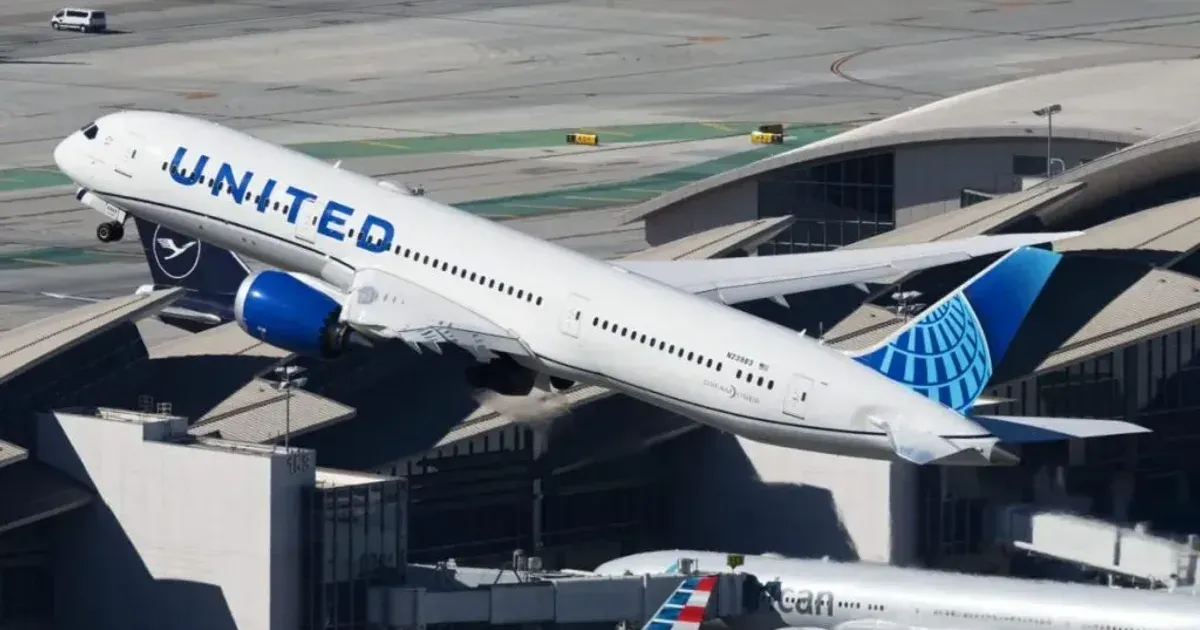
United and Delta leaning harder into premium demand shows how major airlines are trying to protect margins while fuel pressure rises. The margin question is now harder to separate from service quality. The strategy became more important as energy costs threatened to squeeze carriers that cannot pass every expense directly to travelers. That promise has to survive delays, crowded airports and the actual experience after the ticket is sold. Airlines cannot separate the promise from the delivery.
Premium cabins, loyalty programs and branded credit-card ecosystems give airlines revenue streams that are less dependent on the cheapest fare. A passenger paying for extra legroom, lounge access or a higher cabin can help offset fuel volatility in a way a bare-bones economy ticket cannot.
The bet is not risk-free. Corporate travel has recovered unevenly, leisure travelers are price sensitive and higher fuel costs can make every route calculation harder. Airlines still have to fill planes while convincing enough customers that comfort and flexibility are worth paying for.
Premium Seats Carry the Margin
United and Delta have spent years building segmentation into the cabin. The business logic is clear: sell the same flight at several price points, then use loyalty benefits to keep higher-value customers inside the system. Fuel complicates that model because it raises the cost of operating the whole aircraft. If demand weakens, airlines may not be able to rely on premium travelers to cover the gap.
United and Delta have both spent years training customers to see the cabin as a menu of paid choices. Extra legroom, priority boarding, clubs and premium seats give airlines ways to raise revenue without relying only on base fares.
Fuel pressure makes that segmentation more important. When operating costs rise, carriers need passengers who are less likely to choose only the cheapest ticket. Premium demand can soften the blow, especially on business-heavy and long-haul routes.
The risk is that premium strength can hide weakness elsewhere. If economy passengers pull back or corporate travel slows, airlines may still face pressure even while high-end cabins look healthy. Investors will watch guidance for signs that the strategy is durable. A strong premium mix sounds good, but it has to survive higher fuel, labor costs and any decline in discretionary travel.
Passengers will judge the strategy in practical terms. If airlines charge more for comfort, reliability and flexibility, they have to deliver those things consistently. Otherwise premium becomes another fee category rather than a product people trust. The strategy also depends on service quality. Premium demand is durable only when travelers believe the higher fare buys reliability, comfort and control. If delays, crowded lounges or inconsistent service spread, the margin story weakens.
That gap between price and performance is where airline trust is won or lost. Premium demand can support margins only if the experience feels meaningfully better than the cheaper seat behind it.
Airlines also have to protect the loyalty promise behind premium demand. If high-value passengers feel that upgrades, lounge access or flexible changes are being diluted, the strategy weakens. Premium revenue works best when customers believe they are buying reliability, not only escaping the tightest seat on the aircraft.
The Upgrade Strategy Has Limits
The blunt reality is that premium demand can cushion fuel shocks, not repeal them. Airlines like the story because it sounds disciplined and investor-friendly. Passengers will judge it differently if basic fares rise, award seats tighten or service fails to match the price. The immediate test is not whether United and Delta can sell comfort. It is whether comfort remains persuasive when the bill for flying keeps climbing.